01 — At a Glance
The Fermentation Company Where Everything Takes 50 Days
- 52-Week High / Low₹2,150 / ₹1,057
- FY25 Revenue (Full Year)₹1,200 Cr
- FY25 PAT (Full Year)₹373 Cr
- Full-Year EPS (FY25)₹35.65
- TTM (Trailing Twelve Months)₹30.13
- Book Value₹174
- Price to Book6.61x
- Dividend Yield0.92%
- Debt / Equity0.00x
- 1-Year Return-28.8%
The TL;DR: Concord Biotech closed Q3 FY26 with ₹278 crore revenue (+14% YoY), ₹64 crore net profit (-16% YoY), and a P/E of 38.2x — basically paying $38 for every $1 of annual earnings. Nine-month results are flat (revenue up 6%, profit down 5%) because U.S. tariffs spooked customers, the EU temporarily banned their supplies, and the Middle East got distracted with geopolitical drama. Meanwhile, they just commissioned a fancy new injectable facility with “peak revenue potential of ₹600 crores.” Welcome to high-growth biotech, where the growth is optional.
02 — Introduction
Why Does Fermentation Take Forever? Let’s Talk About It.
Concord Biotech is an API (Active Pharmaceutical Ingredient) manufacturer that specializes in doing really hard chemistry at really high margins — specifically fermentation-based APIs that other people won’t touch. Why? Because fermentation is gloriously slow. A single production run takes 30–50 days. Your crops grow faster. Your patience dies faster. But the margins? Glorious — 38–44% operating margins, making it look like a software company masquerading as a chemical plant.
The company makes niche molecules for immunosuppressants (used in organ transplants — basically when you need someone’s immune system to mind its business), oncology, anti-infectives, and antifungals. About 77% of revenue comes from APIs. About 23% comes from formulations (finished drugs). It was operating in this happy niche corner for 40+ years until late 2024, when BP sold the global Castrol business to Stonepeak and everyone suddenly realized private equity firms like undervalued biotech plays. Concord trades at a P/E of 38.2x — which is roughly what you’d pay for a software startup, not a fermentation plant in Ahmedabad.
Here’s the catch: the stock is down 29% in one year, despite management guiding toward 25–30% CAGR growth. The reason? Because 2025 was basically the year of “what could go wrong?” — and the answer was “literally everything.” Let’s break it down with data, charts, and the kind of sarcasm you’d expect from someone analyzing ₹10.5-crore dividend payouts at a company with ₹12,123-crore market cap.
Concall Highlight (Feb 2026): “These headwinds were largely timing related rather than structural.” — Management explaining why 9M profit is down 5% YoY. Translation: please hold.
03 — Business Model: Fermentation, CDMO, Formulations. Pick Your Headache.
Making Hard Drugs. Slowly. Expensively. Profitably.
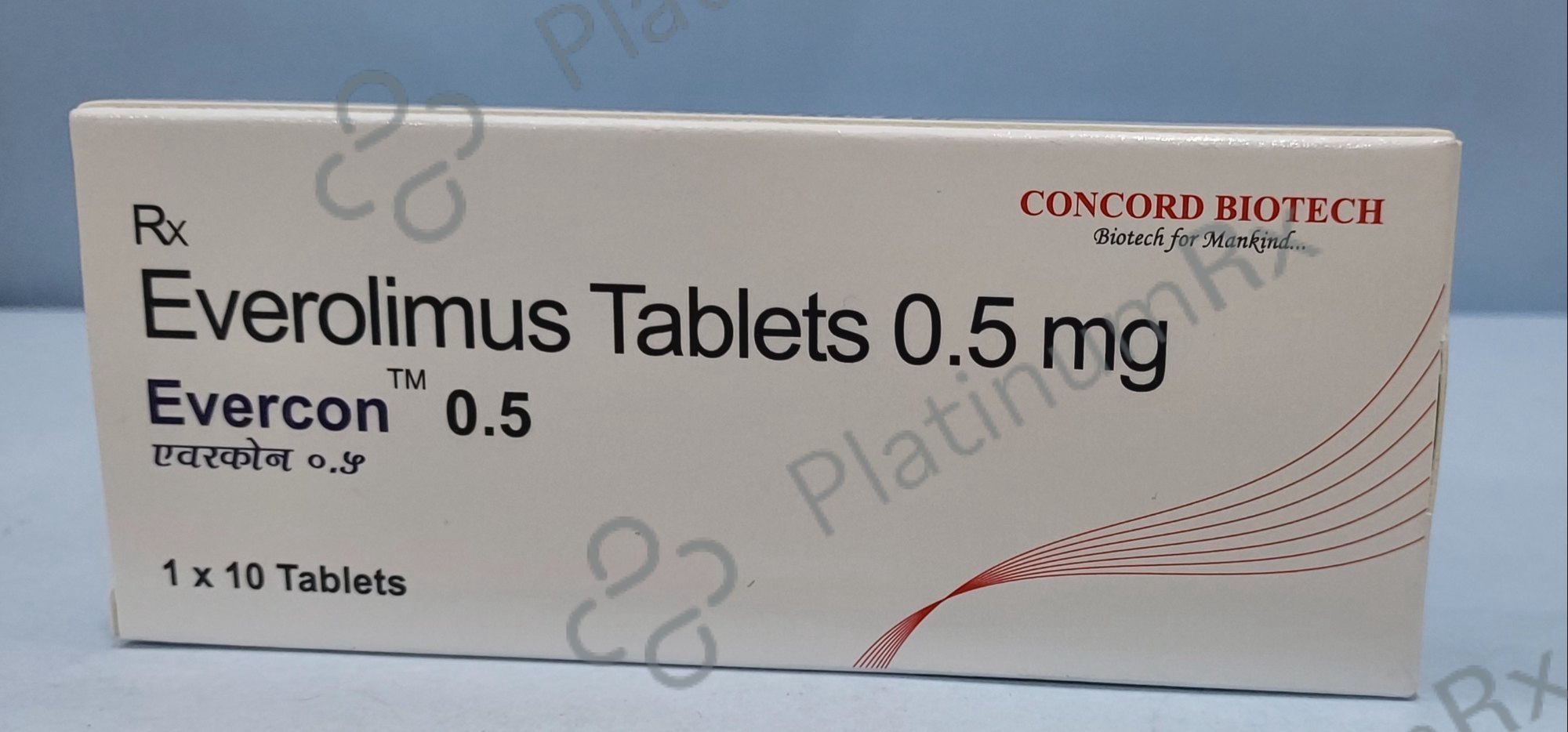
Concord operates three business engines. First: fermentation-based APIs. Take a microorganism (bacteria or fungi), feed it nutrients for 30–50 days, and out pops an expensive molecule that pharma companies need. Concord holds ~30% global market share in Cyclosporine and ~40% in Tacrolimus — immunosuppressants that are literal must-haves for transplant patients. Repeat customers. Captive demand. Limited competition. This segment is about 77% of revenue and generates the fat margins — 42–44% operating margin consistently.
Second: formulations. Finished drugs for domestic markets (55% revenue) and exports (45%). Critical care, nephrology, oncology. The 98-product portfolio is solid, but formulations are messier — more competition, lower margins, regulatory chaos. In March 2025, they commissioned Unit-4 at Valthera, a ₹400+ crore injectable facility with “peak revenue potential of ₹600 crores.” Today? Revenue from injectables is “insignificant.” Why? Because regulatory approvals take years, stability data takes patience, and “commercial sales starting next year” has become management’s favorite refrain.
Third: CDMO (Contract Development and Manufacturing Organization). Basically, they make drugs for other companies. One CDMO product commercialized so far (animal health). Several in pipeline. Management says it could contribute 6% to future growth. Sounds great. Ask them for specifics. They’ll mention “progressing quite well” and pivot to the next slide.
Global Share30%Cyclosporine
Global Share40%Tacrolimus
DMFs Filed138Global APIs
Geographic Mix55% / 45%Domestic / Export
The Hard Truth: 74% of API revenue is immunosuppressants. One therapy. One customer concentration risk. Diversification is in the roadmap, but roadmaps are written on sand in biotech — they shift with regulatory winds.
💬 Quick thought: Would you pay 38x P/E for a fermentation plant that makes one product category really well, or would you wait for proof of concept on the new facilities and CDMO pipeline?
04 — Financials Overview
Q3 FY26: The Numbers (With Asterisks, Many Asterisks)
Continue reading with a premium membership.