01 — At a Glance
The Bajaj Family’s Secret Dividend ATM Just Closed Shop
- 52-Week High / Low₹18,538 / ₹9,225
- Q3 FY26 Revenue₹6.44 Cr
- Q3 FY26 PAT₹4.12 Cr
- TTM EPS₹313
- Annualised EPS (Q3 Avg × 4)₹357.64
- Book Value / Share₹28,887
- Price to Book0.44x
- Equity Portfolio FV₹34,233 Cr
- Debt / Equity0.00x
- Dividend Payout88.6%
Flash Summary: Maharashtra Scooters posted Q3 FY26 PAT of ₹4.12 crore — up 24.8% YoY. The Satara factory is permanently shut, machinery sold for ₹72.92 crore, and the company is now a 100% unregistered Core Investment Company with 90% assets parked in Bajaj group companies. Equity portfolio fair value stands at ₹34,233 crore. Stock at ₹12,792 trades at just 0.44x book value of ₹28,887. Bajaj Holdings owns 51%. The detective’s verdict: this is the cheapest way to own Bajaj dividends — if you can stomach the lumpiness.
02 — Introduction
The Scooter Company That Stopped Making Scooters
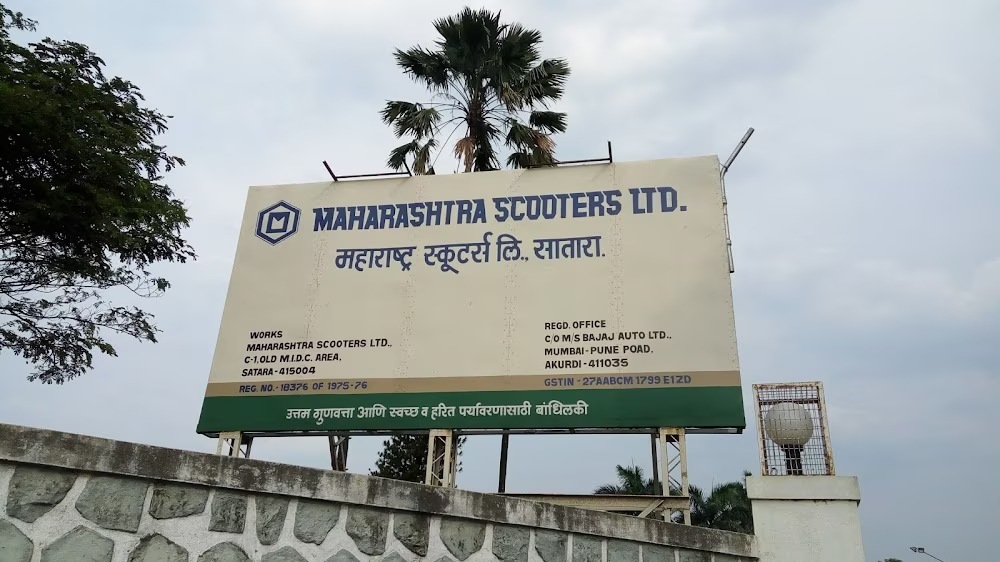
Picture this: a listed company named Maharashtra Scooters. You expect two-wheelers rolling off assembly lines. Instead, you get a holding company that quietly owns stakes worth ₹34,233 crore in Bajaj Auto, Bajaj Finance, Bajaj Finserv and Bajaj Holdings. Manufacturing? Shut down forever in FY25 after years of losses. Voluntary Separation Scheme cleared every factory worker. Leasehold rights and machinery sold for ₹72.92 crore. Now it’s pure dividend collection mode — 85% of revenue from dividends, 12% from interest on fixed-income paper.
Q3 FY26 was another lumpy quarter. Revenue ₹6.44 crore, PAT ₹4.12 crore (up 24.8% YoY). But the real magic is in the nine-month numbers where dividend timing created massive spikes. Bajaj Holdings owns 51%. The company became their subsidiary in 2019. No debt, 98.4% operating margin, and a book value of ₹28,887 per share while the market prices it at ₹12,792. Detective notebook entry: the factory closure was the final clue. This is now a Bajaj family dividend vending machine dressed up as a smallcap stock.
The market is still pricing it like the old loss-making tool-room business. The numbers say otherwise. Portfolio fair value alone suggests the stock is sitting on unrealised gains that could fund dividends for decades. Welcome to the case of the invisible scooter empire.
Board Note (Jan 2026): Unaudited Q3 & 9M results approved. PAT ₹30,655 lakh for nine months, OCI ₹213,659 lakh, leasehold profit ₹4,711 lakh. Trading window closed. Business as usual for a company that no longer makes anything except money.
03 — Business Model: WTF Do They Even Do?
They Don’t Make Scooters. They Just Collect Bajaj Dividends.
Maharashtra Scooters is an unregistered Core Investment Company. RBI rules say 90% of assets must be in group companies. Bajaj group ticks that box perfectly. The Satara plant that once made dies, jigs, fixtures and die-casting components for automobiles is history — permanently closed due to pricing pressure and recurring losses. Every factory employee accepted the Voluntary Separation Scheme. Leasehold rights, plant and machinery transferred for ₹72.92 crore. Manufacturing revenue? Zero. Now it’s 85% dividend income from Bajaj Auto, Finance and Finserv, 12% interest on NCDs and CDs, and a tiny 3% others.
Investment portfolio: equity stakes in Bajaj companies valued at fair value ₹34,233 crore. Fixed income: NCDs of Bajaj Finance and Bajaj Housing Finance, CDs of SIDBI, HDFC Bank, PNB, Canara Bank, NABARD. Liquid and overnight mutual funds from Bajaj Finserv. Everything India-domiciled. No foreign adventure. No leverage. Just steady cash flows from the Bajaj ecosystem.
Dividend Income85%of revenue
Interest Income12%of revenue
Equity Portfolio FV₹34,233 Crfair value
Debt0.00xgearing
Detective note: The company that once supplied parts to Bajaj Auto now just owns pieces of Bajaj Auto. It’s like the family business decided to stop working the factory floor and started living off the dividends instead. Clean, simple, and strangely efficient.
04 — Financials Overview
Q3 FY26: Dividend Timing Makes the Numbers Dance
Result type: Quarterly Results | Q3 FY26 EPS: ₹3.60 | Avg Q1–Q3 EPS: (₹30.94+₹233.69+₹3.60)/3 = ₹89.41 | Annualised EPS: ₹357.64
| Metric (₹ Cr) |
Q3 FY26
Dec 2025 |
Q3 FY25
Dec 2024 |
Q2 FY26
Sep 2025 |
YoY % |
QoQ % |
| Revenue | 6.44 | 5.79 | 271.02 | +11.2% | -97.6% |
| Operating Profit | 5.56 | 4.09 | 269.80 | +35.9% | -97.9% |
| OPM % | 86.3% | 70.6% | 99.6% | +157 bps | -132 bps |
| PAT | 4.12 | 3.30 | 267.07 | +24.8% | -98.5% |
| EPS (₹) | 3.60 | 2.89 | 233.69 | +24.6% | -98.5% |
P/E Check: Annualised EPS ₹357.64. CMP ₹12,792. P/E 35.8x. Dump shows 47.1x on trailing basis — lumpiness strikes again. Industry median for investment companies ~40x. At 0.44x book value with ₹34,233 Cr portfolio fair value, the market is still treating this like the loss-making factory it used to be. The factory is gone. The dividends aren’t.
💬 At 0.44x book with ₹34,233 Cr in Bajaj stakes and zero debt, what do you think is keeping the stock from re-rating? Dividend lumpiness or old factory memories? Drop your theory in the comments.
05 — Valuation: Fair Value Range
What Is This Bajaj Dividend Machine Actually Worth?
Join 10,000+ investors who read this every week.