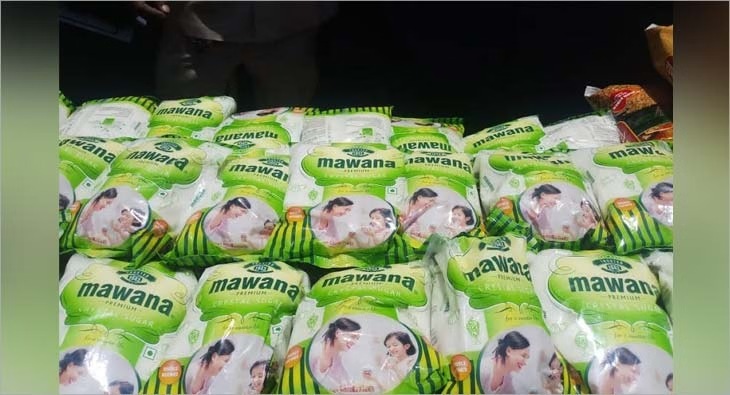
1. At a Glance – Sugar, Spirit & Serious Undervaluation?
₹81.7 per share. Market cap ₹320 crore. Book value ₹117. P/E just 6.48. Dividend yield 4.90%. Debt-to-equity 0.02. And the latest quarter? Sales at ₹367 crore, PAT ₹3.93 crore, EPS ₹1.00.
Ladies and gentlemen, this is Mawana Sugars Ltd — a sugar mill that looks like it’s been priced by someone who has diabetes and hates sugar stocks.
The company is trading at 0.70x book value, earnings yield of 26.1%, and EV/EBITDA of 2.76. Sounds like a value investor’s dream, right?
But wait.
Quarterly profit declined 9.30% YoY. Operating margin in the latest quarter is 7.57%. Working capital days jumped to 69. Inventory days? 266.
So the question is simple:
Is this a hidden cash-flow machine selling below book value?
Or is it another cyclical sugar story that looks sweet only in certain seasons?
Let’s open the sugar sack.
2. Introduction – The 36-Year-Old Sugar Veteran
Incorporated in 1989, Mawana Sugars operates in three segments:
- Sugar
- Industrial Alcohol (Ethanol)
- Co-generation Power
Basically, they crush sugarcane, squeeze out sugar, ferment leftovers into ethanol, and burn bagasse to generate power. Nothing goes waste. Even the gossip.
This isn’t a startup. This is a 36-year-old player with 19,000 TCD crushing capacity, 120 KLPD ethanol capacity, and 53.5 MW co-generation capacity.
Now here’s what makes it interesting:
- Revenue FY25: ₹1,446 crore
- TTM revenue: ₹1,539 crore
- PAT TTM: ₹36 crore
- 5-year profit CAGR: 22%
- 5-year stock CAGR: 16%
Not bad for a business people only remember when sugar prices spike.
But sugar is a political commodity in India. Cane prices are controlled. Ethanol prices are controlled. Export quotas are controlled.
This is not a free-market business.
It’s more like a sugar mill with a government remote control.
And that changes everything.
3. Business Model – WTF Do They Even Do?
Let’s simplify.
Segment 1: Sugar (80% of revenue)
They produce plantation white sugar, refined sugar, specialty sugar, pharma-grade sugar.
Basically, if it tastes sweet and is white, they probably make it.
Segment 2: Distillery (16%)
They produce:
- Rectified spirit
- Denatured spirit
- Fuel ethanol
Ethanol is the new hero of the sugar industry. Government wants 20% ethanol blending. That means mills like Mawana get a more stable revenue stream.
Segment 3: Co-generation (2%)
They burn bagasse (sugar residue) to generate power for internal use and export to UP Power Corp.
Zero waste. Maximum extraction.
But here’s the real beauty:
Sugar is cyclical.
Ethanol is relatively stable.
Power is predictable.
Forward integration cushions volatility.
Smart move or survival strategy?
You decide.
4. Financials Overview – Q3 FY26 (Quarterly Results Detected)
The latest results are Quarterly Results (Dec 2025).
So per rule:
Annualised EPS = Q3 EPS × 4?
No.
Strict rule: