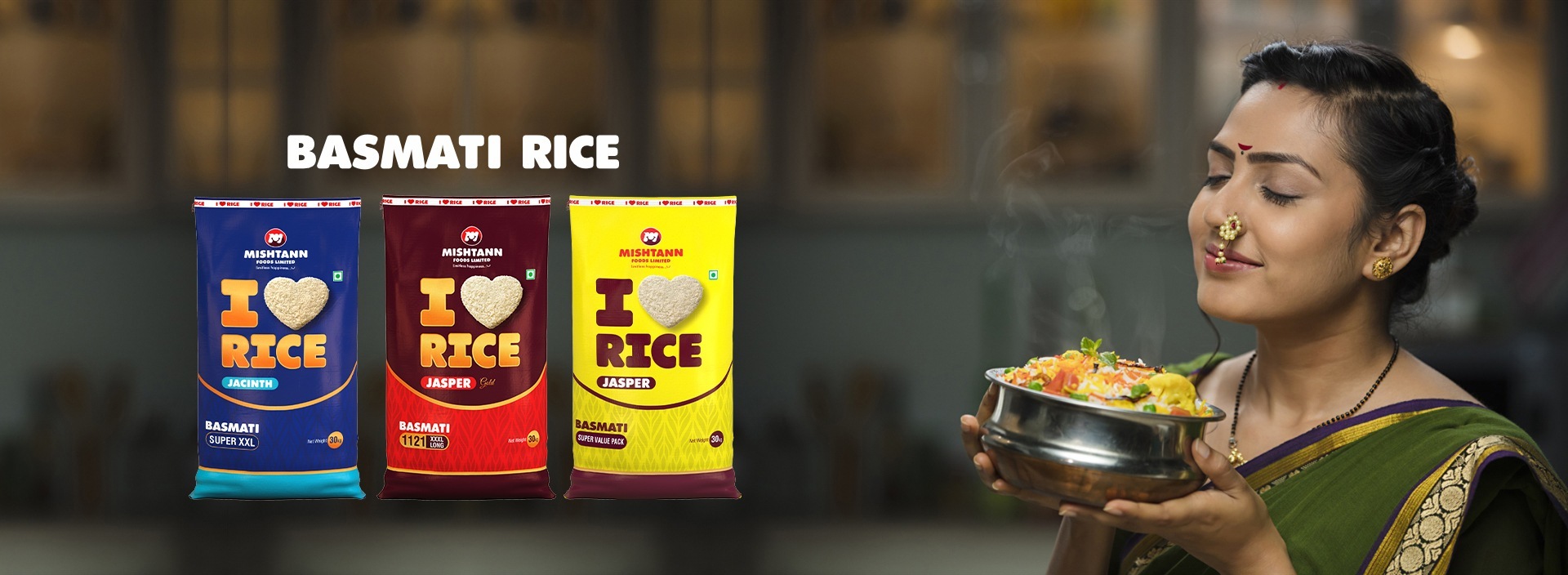
1. At a Glance – Rice King or Accounting Magician?
₹475 Cr market cap. ₹4.41 share price. TTM PAT ₹343 Cr. P/E 1.38. ROE 44.1%. ROCE 42.2%. Price-to-book 0.41.
If you’re new to markets, this looks like the deal of the decade. If you’ve been around long enough, this looks like a thriller movie that starts with “Based on true events.”
For Q3 FY26 (Dec 2025 quarter), Mishtann Foods reported ₹336 Cr sales and ₹81.5 Cr PAT. That’s a 24% PAT margin in a rice and salt business. Even tech startups are asking, “Bhai, how?”
The stock is down 10.4% in 3 months and 23.4% in 1 year. Meanwhile, the company shows earnings yield of 66.7%. Industry P/E? 53.1. Mishtann? 1.38.
When the market values a company at 1.38 times earnings in an industry trading at 53, it’s not generosity. It’s suspicion.
So the big question: Is this the cheapest FMCG stock in India… or is the market smelling something that the P&L doesn’t show?
Grab your calculator. And maybe some popcorn.
2. Introduction – From Basmati to Bombshell
Founded in 1981, Mishtann Foods manufactures and processes rice, wheat, salt, and pulses. On paper, it’s a simple agro-processing story.
But this is not just about rice.
Between FY22 and FY24, revenue grew 158%. That’s not gradual growth. That’s “rocket strapped to a pressure cooker” growth. Management credits this to:
- Strong demand
- New subsidiary
- Rock salt, crystal salt (FY23)
- Himalayan pink salt (FY24)
Domestic revenue is 99%. Exports? Just 1%. So this is largely an India story.
Then December 2024 happened.
SEBI issued an interim order alleging:
- Misreporting of financials
- Artificially inflated sales and profits in FY24
- Trade receivables rising to 97% of total assets
- Shareholders rising from 516 in FY18 to 4.23 lakh by Sep 2024
That escalated quickly.
Add to that:
- ₹50 Cr rights issue in April 2024
- Another ₹50 Cr rights issue approved in June 2024
And suddenly, the valuation discount starts making sense.
But let’s not jump to conclusions. Let’s go section by section. Numbers first. Drama later.
Ready?
3. Business Model – WTF Do They Even Do?
Mishtann’s model is surprisingly structured.
1) Sourcing
They procure from farmers, mandis, and agents. Around