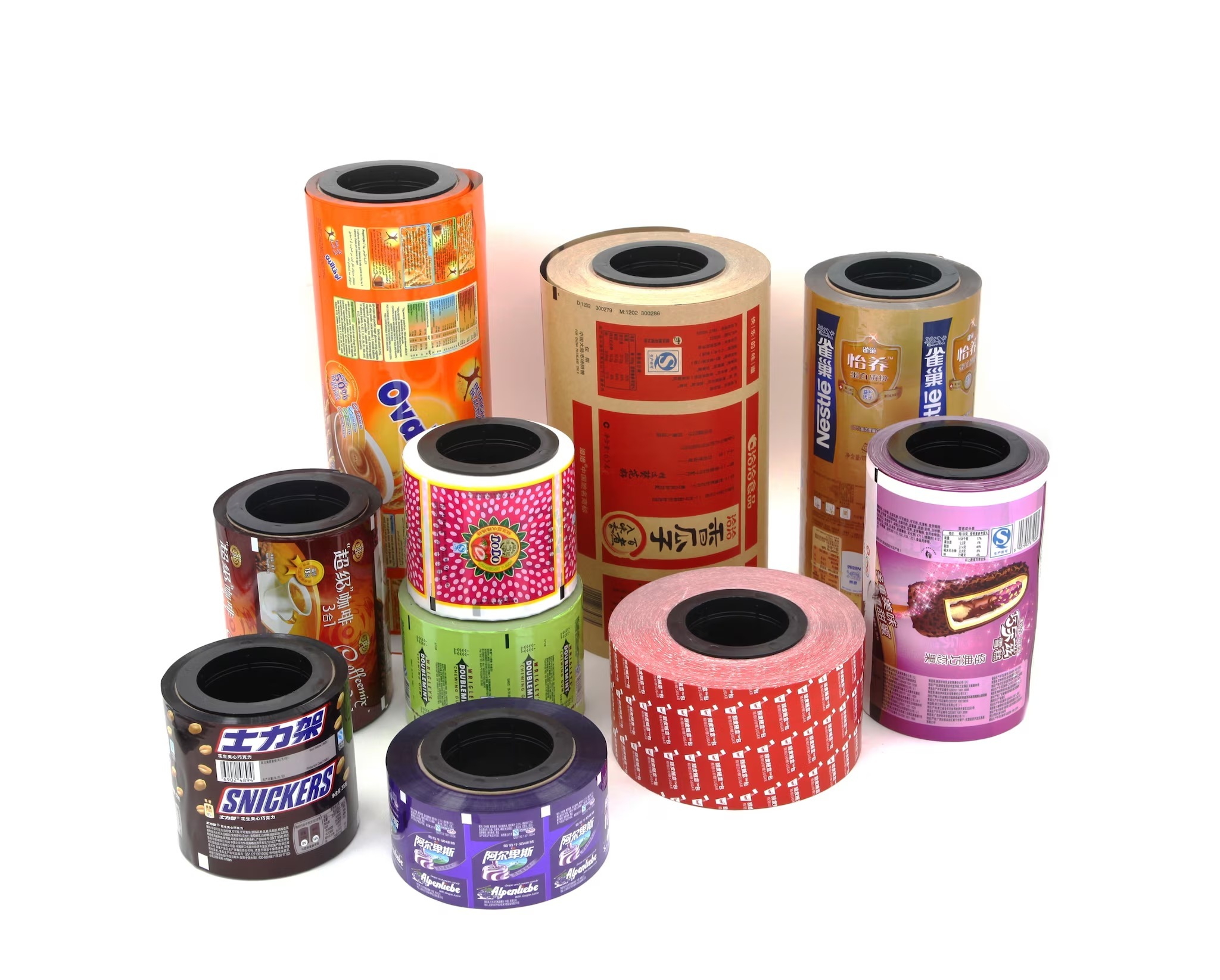
1. At a Glance – The Packaging Giant That’s Currently Bubble-Wrapped
Market Cap: ₹2,145 Cr
Current Price: ₹490
3-Month Return: -7.99%
Book Value: ₹932
Price to Book: 0.53x
ROCE: 5.36%
ROE: 2.15%
Debt: ₹3,444 Cr
Interest Coverage: 0.27
Welcome to Jindal Poly Films Ltd, once the undisputed heavyweight champion of BOPET and BOPP films in India. Today? It’s trading at half its book value, reporting a quarterly loss of ₹97 Cr, and operating margins of -21%.
Yes, negative twenty-one percent.
Sales in Q3 FY26 collapsed to ₹372 Cr from ₹1,186 Cr a year ago. That’s not a dip. That’s a cliff dive without a parachute.
The culprit? A Nashik plant fire, ED investigation whispers, NCLT class action drama, and insurance that apparently covers everything except actual business losses.
Oh, and interest coverage is 0.27. That means profits don’t even fully cover interest payments.
This is not just a quarterly blip. This is corporate turbulence.
But is it temporary smoke… or structural burn damage?
Let’s investigate.
2. Introduction – From Packaging King to Crisis Case Study
Jindal Poly Films started in 1974 making polyester yarn. Then it pivoted to packaging films. Smart move. For decades, it rode the BOPET and BOPP wave like a Bollywood hero in slow motion.
By FY22, margins were glorious. ROCE touched 37%. Life was good.
Then came oversupply in the industry. Margins compressed.
Then came demergers.
Then came investigations.
Then came the fire.
And then came Q3 FY26, where sales fell 69% YoY and PAT sank to ₹-97 Cr.
Meanwhile, the company still holds investments worth ₹3,559 Cr (as of Sep 2025), largely in mutual funds and equity instruments. That’s larger than its market cap.
So here’s the paradox:
Operating business struggling.
Investment portfolio massive.
Debt high.
Liquidity strong.
Legal risks pending.
Is this a film manufacturer… or a financial holding company accidentally running a factory?
And more importantly: