1. At a Glance – The Chemical Cocktail Gone Wrong
Here’s the headline: ₹2,463 crore market cap, stock at ₹204, down 16.7% in 3 months, and reporting ₹46.6 crore quarterly loss in Q3 FY26.
Sales came in at ₹416 crore, down 6.9% YoY. Operating margin? A negative -4%. Interest coverage? A dramatic -1.16.
This is not just a bad quarter. This is a quarter where the company basically said, “We’ll pay interest later, maybe.”
Return on Equity: -4.13%
Debt: ₹2,086 crore
Debt-to-Equity: 1.36
ROCE: 0.26%
But wait.
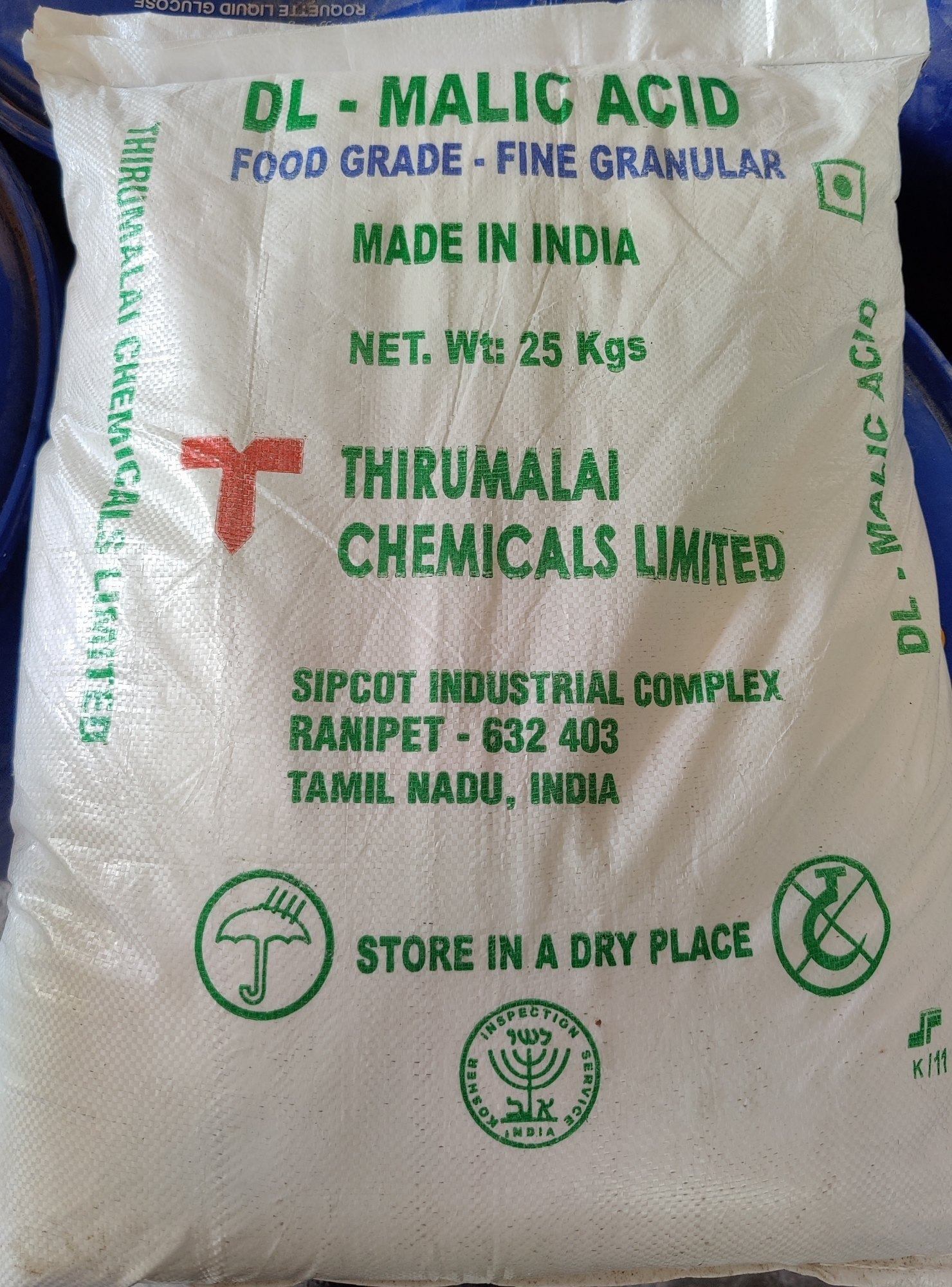
This is not some random microcap chemical trader. This is one of the top global producers of Phthalic Anhydride, largest Maleic Anhydride producer in Southeast Asia, sole Malic Acid producer in the region, and exporter to 60+ countries.
So what happened?
Did raw material spreads collapse?
Did capex swallow profits?
Did the US expansion become an expensive chemistry experiment?
Let’s open the lab notebook.
2. Introduction – When Chemistry Meets Capital Markets
Thirumalai Chemicals has been around since the 1970s. It’s not a startup. It’s not a meme stock. It’s a proper, old-school, industrial chemical business.
It makes products you don’t see, but everything around you probably contains.
Plasticizers? Check.
Paint resins? Check.
Food acidulants? Check.
Polyester resins? Check.
The company supplies to names like Asian Paints, Berger, ITC, Parle, Reliance Industries — basically everyone who puts chemicals into things you touch.
And yet…
From FY22 peak net profit of ₹281 crore to TTM loss of ₹154 crore. That’s not a decline. That’s a chemical reaction gone unstable.
The problem?
- PAN-OX spreads compressed.
- Dahej plant ramp-up costs.
- Malaysian entity closure.
- GST demand notices.
- US plant capex.
- Credit rating downgrade to BBB+ (Negative).
If you think this sounds like a corporate stress test — you’re not wrong.
But here’s the twist.
Sometimes, chemical cycles punish good businesses temporarily.
So is this a temporary margin squeeze?
Or is this structural stress?
Let’s break it down molecule by molecule.
3. Business Model – WTF Do They Even Do?
Alright. Imagine this.
You are drinking a flavored beverage. That tangy kick? Malic acid.
You see a shiny paint finish on your wall? Likely resin from Phthalic Anhydride.
You see flexible plastic? That’s plasticizer made from PAN.
Thirumalai Chemicals is in the business of making industrial building blocks.
Main Products:
1. Phthalic Anhydride (PAN) – 85%

One Response
If US plant is started current H1 then Thirumalai chemicals share prics will upward and it will easily cross 500 rs within 3 years