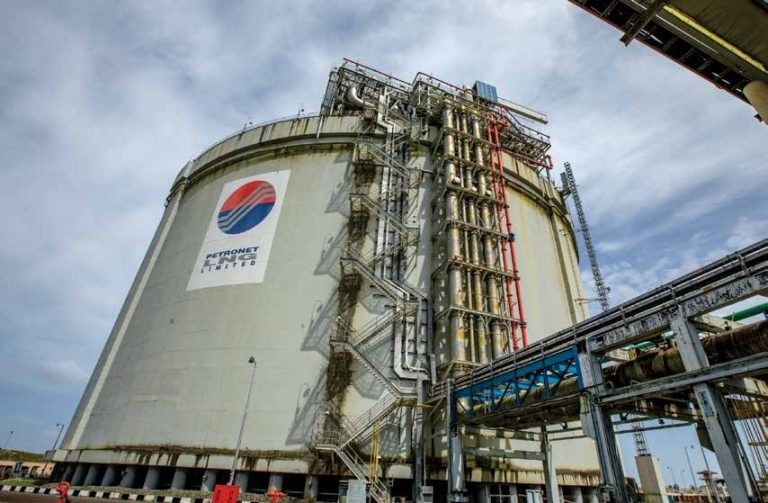
1. At a Glance – The LNG Cash Machine That Nobody Gets Excited About
Petronet LNG is sitting at a market cap of ₹45,180 crore, trading at ₹301, with a P/E of just 12.4 while delivering a ROCE of 25.4% and ROE of 21.2%. Dividend yield? A comfortable 3.26%. Debt-to-equity? A sleepy 0.12.
Latest Q3 FY26 numbers show sales at ₹11,164 crore and PAT at ₹870 crore. Margins? Stable at 11%.
This is a company that handles ~75% of India’s LNG imports, accounts for ~33% of national gas supplies, and yet trades like it sells tea at a railway station.
Returns over 3 months? +10.5%. Over 1 year? A humble 1.89%. Five-year CAGR? 3.8%.
So here’s the million-dollar question:
How does a monopoly-like infrastructure asset with predictable cash flows end up trading cheaper than mid-sized city gas distributors?
Let’s unpack this gas pipeline drama.
2. Introduction – The Infrastructure King That Nobody Talks About
Petronet LNG was formed in 1998 as a joint venture between GAIL, Indian Oil, BPCL and ONGC — each holding 12.5%.
Translation: This isn’t some startup. This is PSU royalty.
It builds and operates LNG import and regasification terminals. In simple terms, it converts imported super-cooled LNG back into gas so India can actually use it.
Think of it as the “customs officer” of India’s LNG imports.
Two major terminals:
- Dahej (17.5 MMTPA, expanding to 22.5 MMTPA)
- Kochi (5 MMTPA)
Combined capacity: 22.5 MMTPA.
But here’s the funny part — Kochi has been chronically underutilized (~17–18%). Dahej? The superstar.
The business is simple, regulated, asset-heavy and predictable.
Yet the stock behaves like it’s confused about its identity.
Why?
Keep reading.
3. Business Model – WTF Do They Even Do?
Let’s simplify.
They import LNG.
They store LNG.
They regasify LNG.
They charge customers for using the terminal.
That’s it.
Revenue mix:
- LNG: 95–96%
- Regasification services: 3–4%
Major customers?
Together, these three account for ~95% revenue.
So if these three sneeze, Petronet catches a cold.
Now expansion plans: