1. At a Glance – German Engineering, Indian Margins
BASF India Ltd is currently trading at ₹3,735 with a market cap of ₹16,166 crore. In the last 3 months, the stock has politely declined 16.4%, and over 6 months it has dropped 20.6% — like a disciplined investor attending a crash diet camp.
Latest Q3 FY26 quarterly sales stand at ₹3,877 crore with PAT of ₹105 crore. That’s a net margin that whispers, not shouts. OPM? 4.13%. ROCE? 18%. ROE? 13.7%. Debt? A cute ₹144 crore — basically pocket change for a global chemical empire.
Stock P/E stands at 41.8 versus industry P/E of 28.8. So yes, you’re paying premium pricing for chemistry that currently behaves like diluted detergent.
Dividend yield? 0.53%. That’s not income. That’s emotional support.
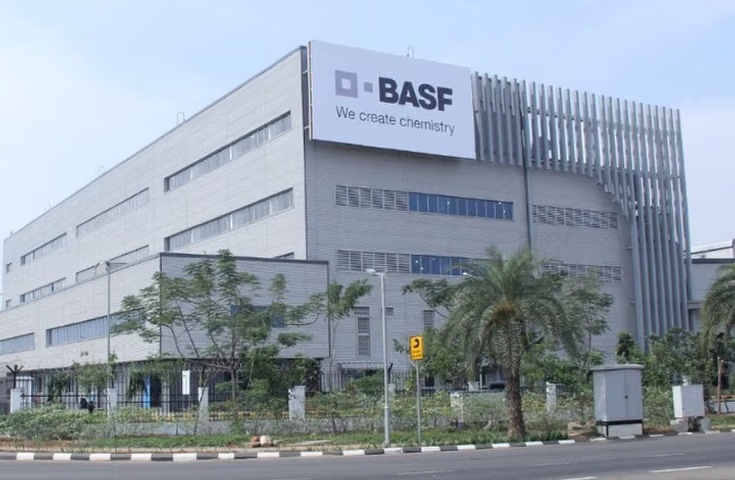
And remember — this is not some small-town chemical blender. This is part of the global BASF group with ~110,000 employees and €59 billion in global sales. The parent is a chemical juggernaut. The Indian arm? Still figuring out its margin chemistry.
So the real question: Is this a temporary margin squeeze or structural profitability mediocrity?
Let’s put on our lab coats.
2. Introduction – When Global Giants Operate in India
BASF SE is one of the world’s largest chemical companies. If chemicals had a Premier League, BASF would be Manchester City.
And BASF India? It’s the Indian franchise.
The company operates across six segments:
- Agricultural Solutions
- Materials
- Industrial Solutions
- Surface Technologies
- Nutrition & Care
- Chemicals
That’s not diversification. That’s chemical buffet.
Sales for FY25 were ₹15,162 crore. TTM sales stand at ₹14,721 crore — slightly down. Profit growth TTM? -36%.
Let that sink in.
Revenue is stable-ish. Profit fell. Margins compressed. Market didn’t clap.
Now here’s the twist. BASF India historically delivered:
- 5-year sales growth: 14.8% CAGR
- 5-year profit growth: 58% CAGR
- 5-year ROE average: 18.3%
So this isn’t a permanently lazy business. It’s a cyclical one.
The chemical sector globally has been going through:
- Demand moderation
- Pricing pressure
- Inventory corrections
- Global slowdown
And BASF India is not immune.
But here’s the fun part: Management has initiated demergers, restructuring, capex expansion, renewable power sourcing — basically corporate yoga.
Are they getting flexible or confused?