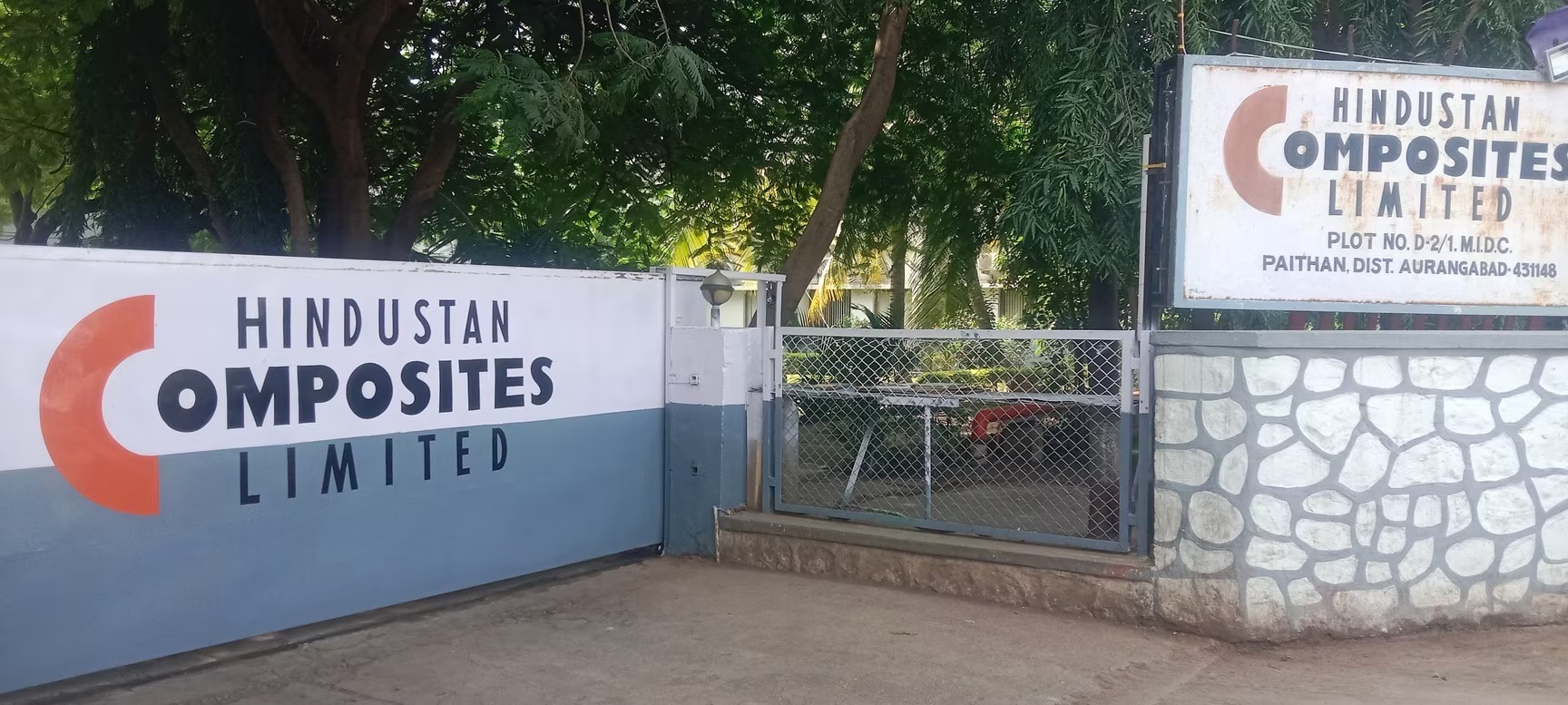
1. At a Glance – The Brake Pad That Trades Below Book Value
Hindustan Composites Ltd is currently sitting at ₹440 with a market cap of ₹646 crore. The company just reported Q3 FY26 revenue of ₹94.51 crore and PAT of ₹6.67 crore. EPS for the quarter stands at ₹4.52.
Stock P/E? 17.9.
Price to Book? 0.57.
ROE? A modest 4.17%.
ROCE? 5.33%.
Promoter holding? A commanding 75%.
Three-month return? -3.87%.
This is a company that manufactures brake linings, clutch facings, and disc brake pads — basically the stuff that stops vehicles from becoming headlines. Ironically, the stock itself seems to have applied brakes for the last year.
Quarterly sales are up 15.5%, but profit has fallen 25.6%. That’s like selling more brakes but earning less margin per stop.
Is this a hidden asset play with treasury investments quietly compounding? Or is it a sleepy industrial stock taking a long tea break?
Let’s open the bonnet.
2. Introduction – Old School Manufacturing Meets Treasury Side Hustle
Founded in 1964, Hindustan Composites is not a startup. It was making brake linings when India still had Ambassador cars dominating roads.
The core business? Friction materials.
The side business? Treasury investments.
Yes, this is one of those rare industrial companies where investments form 17% of segment revenue (FY23). Manufactured goods contribute 83%, but dividend income, interest income, and gains on investments quietly add flavour.
In FY23 revenue breakup:
- Manufactured goods: ~83%
- Interest income: ~12%
- Net gain on investments: ~4%
- Dividend income: ~1%
So while competitors are sweating on capacity expansion, HCL is also playing equity markets.
But here’s the twist: despite being almost debt free (₹3.49 crore debt), returns remain muted.
ROE over last 5 years? Just 3%.
ROCE? 5%.
For context, even a fixed deposit used to give similar comfort.
So the question becomes — is this a compounding machine in disguise or a balance sheet museum?
Let’s see what they actually do.
3. Business Model – WTF Do They Even Do?
HCL makes