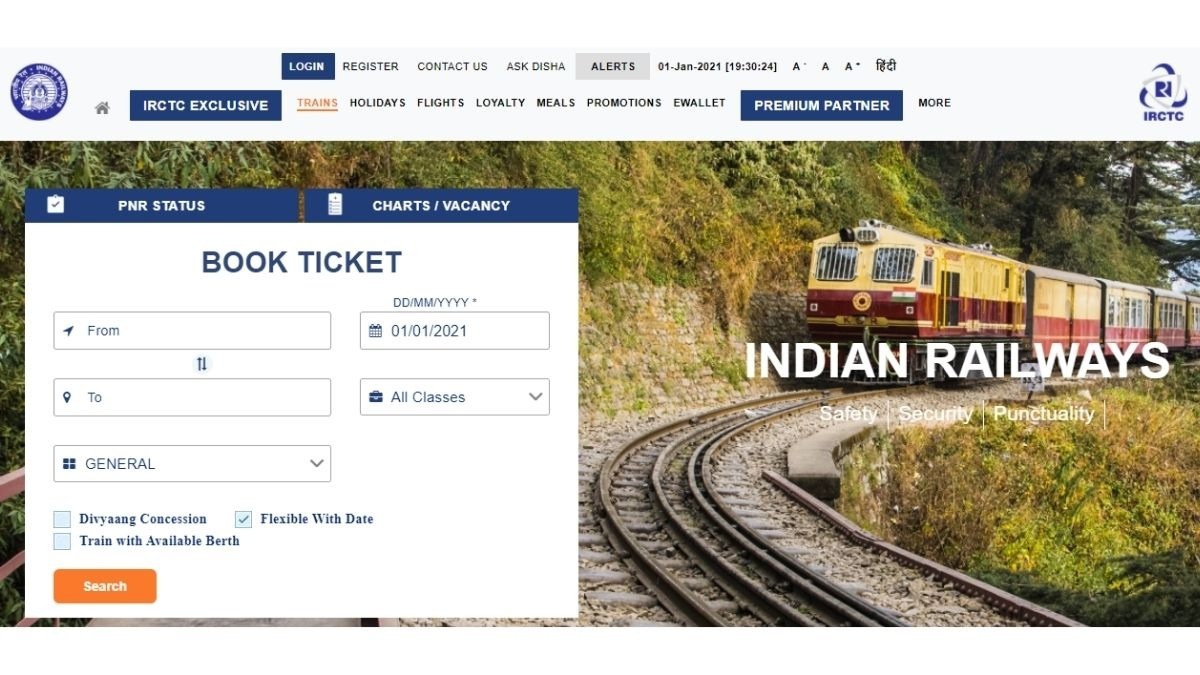
1. At a Glance – The Government’s Cash Machine on Rails
₹49,408 crore market cap.
₹618 stock price.
35.7x P/E.
49% ROCE.
37% ROE.
Zero drama debt (Debt/Equity 0.02).
And yet… the stock is down 12.4% in 3 months and 14.9% in 1 year.
Meet Indian Railway Catering & Tourism Corporation Ltd, better known as IRCTC — the only company legally allowed to sell you railway tickets online, feed you in trains, and sell you water branded as Rail Neer.
Q3 FY26 numbers?
Revenue: ₹1,449 Cr (+18% YoY)
PAT: ₹394 Cr (+13% YoY)
OPM: 32%
This is what monopoly looks like when it wears a government badge.
But here’s the spicy question — if this is such a cash-printing machine, why is the stock sulking?
Let’s board this train.
2. Introduction – The Only Website Indians Love and Hate Equally
Every Indian investor has a love-hate relationship with IRCTC.
You love it because it’s a monopoly.
You hate it because you’ve used the website at 10:00 AM during Tatkal.
Founded in 1999, IRCTC is a Navratna PSU under the Ministry of Railways. It is literally the digital gateway to Indian Railways.
It handles:
- 89%+ of reserved ticket bookings online
- 12–13 lakh tickets daily
- 16 lakh meals daily
- Packaged drinking water at 410+ stations
And unlike most PSUs, this one actually makes money. Serious money.
TTM Revenue: ₹5,024 Cr
TTM PAT: ₹1,425 Cr
Net margin: 27%
Tell me honestly — how many government companies you know that have a 27% net margin?
Exactly.
But monopoly doesn’t mean zero risk. Regulation, political pricing, board compliance fines — welcome to PSU life.
So what exactly does this railway giant do?
3. Business Model – WTF Do They Even Do?
IRCTC operates four main businesses. Think of them as four railway bogies pulling profit.
1) Internet Ticketing (30% of FY24 revenue)
This is the golden goose.
- 89.24% of reserved railway tickets booked online.
- 13.55 crore tickets in Q2 FY26 alone.
- Convenience fee revenue ₹252 Cr (Q2).
EBITDA margin? ~85%.
Yes, eighty-five percent.
It’s basically a toll booth on the railway network. High margin, asset light, minimal risk.
And management is launching a Payments Aggregator subsidiary. Current in-house payment GMV: ₹13,000 Cr.
Potential opportunity: ₹70,000 Cr.
If they pull this off, this