1. At a Glance – The ₹132 Cr Can King Nobody Talks About
At a market cap of just ₹132 crore and a current price of ₹126, Hindustan Tin Works Ltd is trading at 0.60x book value (Book Value ₹210). That’s right — the market is valuing it at a discount to its own net worth. Stock P/E stands at 12.7 versus industry median 17.8. ROCE is 7.95%, ROE 5.88%, OPM 6.80%, and debt to equity 0.42.
Latest quarterly sales came in at ₹87.73 crore with PAT of ₹2.40 crore and EPS ₹2.31. However, profit declined 21.8% YoY while sales slipped 1.16%.
Three-month return? A sleepy 0.40%.
One-year return? Down 19.8%.
So here’s the drama: a 1958-born packaging company supplying Asian Paints, Nestle India, Amul, Haldiram and Reckitt Benckiser… trading below book value… with export capex underway… but margins thinner than a Parle-G biscuit.
Is this a boring metal box company… or a silent compounding story waiting for margin expansion?
Let’s open the lid.
2. Introduction – Tin Cans, Thick History, Thin Margins
Incorporated in 1958, Hindustan Tin Works has survived wars, recessions, demonetisation, GST, COVID, and the rise of plastic packaging.
That alone deserves a medal.
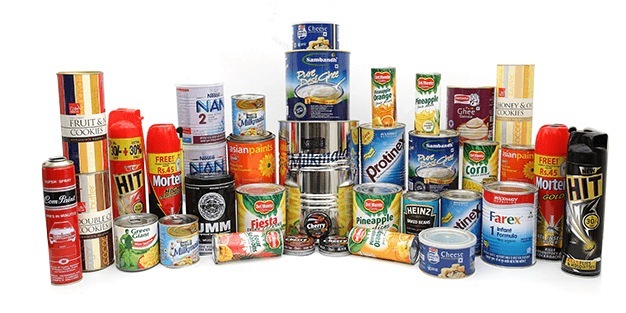
The company manufactures tin cans, printed sheets, closures and components. Basically, if you’ve ever opened a paint can, aerosol spray, baby food tin, or decorative cookie box — chances are it could have been made here.
Plant location? Sonepat.
Capacity? 260 million units annually.
Exports? Africa, Europe, USA, Middle East, Australia, New Zealand.
Revenue mix FY23:
- Metal containers & components: ~85%
- Trading: ~8%
- Scrap: ~7%
Segment revenue:
- Manufacturing ~92%
- Trading ~8%
This is not a flashy tech startup. No AI. No crypto. No electric vehicle hype.
Just metal. Sheets. Paint. Press. Repeat.
But here’s where it gets interesting — they’re setting up an export-focused unit funded by long-term debt. Capex running through FY23–FY25.
And recently? Commercial operations at new manufacturing unit commenced in March 2025.
So the question becomes:
Will the new unit expand margins… or just expand depreciation?
3. Business Model – WTF Do They Even Do?
Let’s simplify.
They buy tin plates → print/lacquer sheets → manufacture cans → supply to FMCG, food, beverage and paint companies.
Revenue comes from:
- Metal Cans