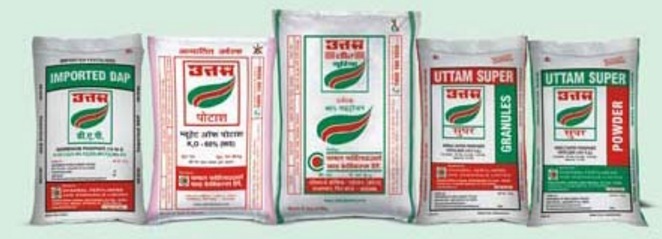
1. At a Glance – Fertiliser Factory with a 26.8% ROCE and a 9.56 P/E
₹18,224 crore market cap.
₹455 current price.
Stock P/E: 9.56.
ROCE: 26.8%.
ROE: 19.8%.
Debt to Equity: 0.01.
Dividend Yield: 2.15%.
Q3 FY26 Sales: ₹5,898 crore.
Q3 FY26 PAT: ₹586 crore.
3-month return: -0.77%.
Meet Chambal Fertilisers & Chemicals Ltd — the company that feeds crops, fights tax notices, and still quietly prints cash.
It controls ~13% of India’s total urea production. That’s not “small-cap underdog energy.” That’s “if farmers sneeze, Chambal hears it.”
Despite regulatory drama, GST penalties, subsidy disputes, and product withdrawal orders, the business is sitting on almost zero debt and delivering double-digit margins.
But here’s the twist: sales growth over 5 years? Just 6.4%.
So what exactly is going on here — boring cyclical commodity… or misunderstood cash engine?
Let’s dig in.
2. Introduction – The Subsidy-Fed Elephant in the Room
India doesn’t just grow crops. It subsidises them.
And whenever the word “subsidy” enters a sentence, investors either get excited or nervous.
Chambal Fertilisers operates in the fertiliser industry — which is basically agriculture’s oxygen cylinder. Urea, DAP, MOP, NPK — these aren’t chemical formulas, they’re rural India’s lifeline.
But fertiliser companies don’t operate in a free market.
They operate in a policy-driven ecosystem.
MRP guidelines. Subsidy calculations. GST disputes. Court stays. Government reimbursements.
And Chambal? It’s right in the middle of it.
The company:
- Manufactures urea from 3 plants in Kota
- Operates at ~98% capacity utilisation
- Has ~3.4 million tons capacity
- Holds ~13% national urea share
- Markets fertilisers across 10 states
- Has 4,200 dealers and 60,000 retailers
That’s not small distribution. That’s rural domination.
But here’s the question:
When revenue growth is modest, yet ROCE is 26.8% — where is the magic happening?
3. Business Model – WTF Do They Even Do?
Let’s simplify.
Step 1: Make Urea
Chambal produces urea at its Kota plants.
Step 2: Sell Other Fertilisers
They trade DAP, MOP, NPK fertilisers.
Step 3: Crop Protection & Speciality Nutrients
Small segment (3% FY23 revenue), but trying to scale.
Step 4: JV in Morocco
Manufacture phosphoric acid via joint venture.
Revenue mix FY23:
- Fertilisers: 97%
- Crop Protection & Speciality Nutrients: 3%
Manufacturing Revenue:
- 60% in FY23 (vs 68% FY22)
Trading Revenue: