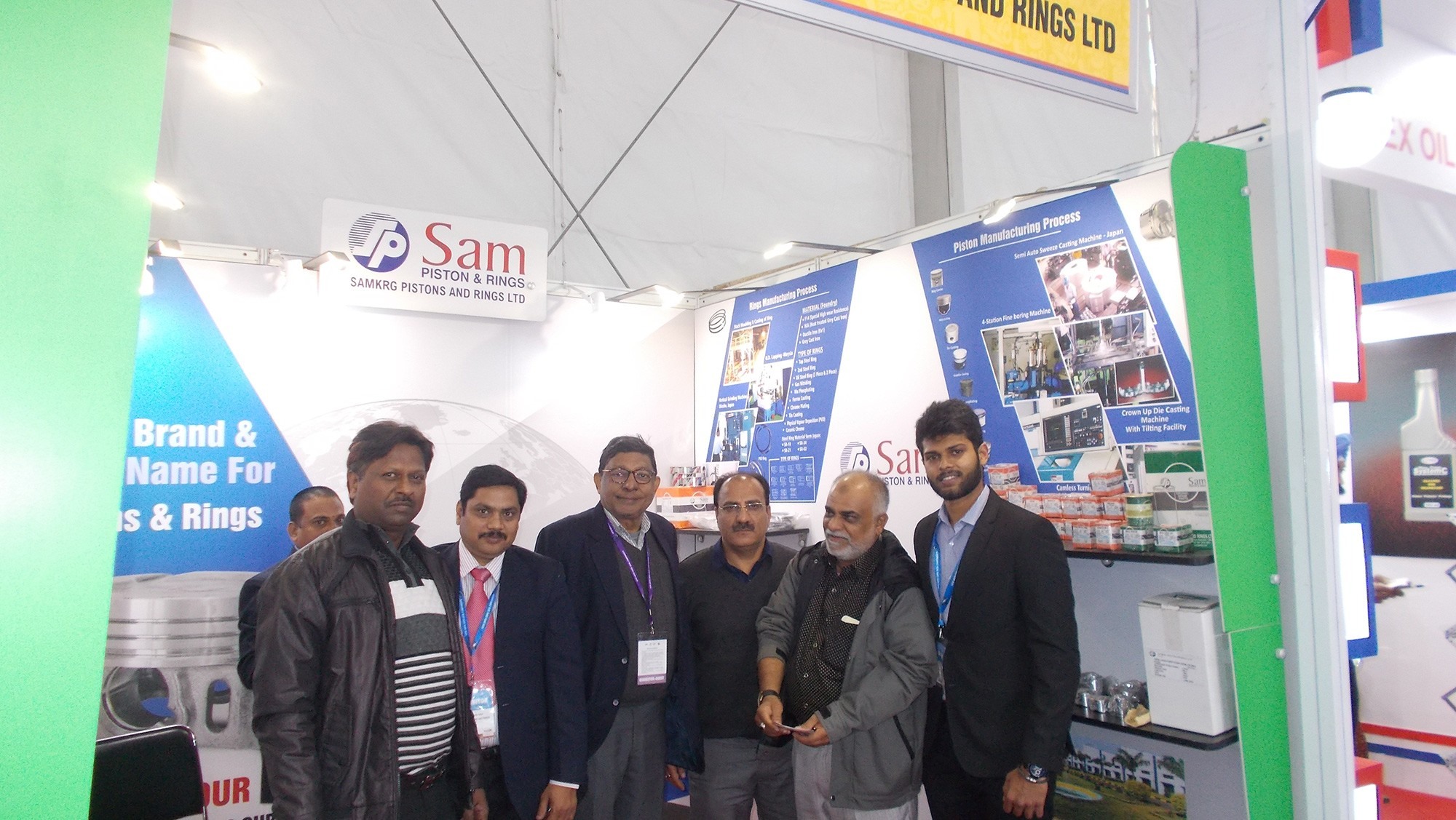
Samkrg Pistons & Rings Ltd Q3 FY26 – ₹66.5 Cr Quarterly Sales, EPS ₹1.57, Yet ROE Stuck at 3%: Value Trap or Cyclical Snoozer?
1. At a Glance – Blink and You’ll Miss It (But Don’t)
Samkrg Pistons & Rings Ltd is that quiet backbencher of the auto-ancillary classroom — present for decades, rarely shouting, occasionally surprising, but mostly minding its own business. At a market cap of ₹124 Cr, trading around ₹127, the stock is priced at 0.62× book value (yes, cheaper than most Delhi real estate dreams) and ~17.5× earnings. Sounds attractive? Hold that thought.
Sales for the latest quarter came in at ₹66.46 Cr, up 15% YoY, while PAT landed at ₹1.54 Cr, down a painful 31% YoY. Operating margins hover around 12–13%, debt sits at ₹57.5 Cr, and ROCE has slipped to 7.19% — which is barely enough to impress a savings account, forget equity investors.
Promoters hold a solid 66.9%, no pledging, exports contribute ~24%, and the company is dabbling in EV-adjacent parts while doubling down on SUVs, tractors, and industrial engines. Sounds balanced. Feels cautious. But the numbers? They tell a more complicated story.
So is this a deep-value manufacturing play hiding under grime, or just another smallcap stuck in neutral gear? Let’s pop the hood.
2. Introduction – A 40-Year-Old Engine Still Running… Slowly
Founded in 1985, Samkrg Pistons & Rings has survived licence raj hangovers, BS-IV to BS-VI chaos, demonetisation, GST, COVID, and now the great EV panic. Survival? ✔️. Wealth creation? Eh.
This is a classic auto component OEM + replacement market story, with a heavy bias toward two-wheelers and a modest flirtation with four-wheelers. The company supplies pistons, rings, and pins to big names like Honda, TVS, Bajaj, Royal Enfield, and exports to Europe, the US, and Asia. On paper, that client list looks like a LinkedIn flex. On the P&L, not so much.
Over the last 5–10 years, sales growth has crawled at ~1% CAGR, while profits have actually shrunk. ROE has fallen from double digits to a sad 3%, and dividend payout has thinned. This isn’t a company that collapsed — it’s one that slowly lost momentum.
And yet, FY25 TTM sales jumped 17%, capacity investments are visible in CWIP, and management is talking EV-resilient product lines. So the obvious question: Is this a turnaround warming up… or just another false start?
3. Business Model – WTF Do They Even Do?
In simple terms: Samkrg makes the parts that make engines go boom (in a controlled way).
Pistons with fancy coatings (tin, moly, graphite, chrome)
Piston rings with more surface treatments than a skincare influencer
Piston pins made from alloy steel, heat-treated and precision-ground
Their bread and butter is the 2-wheeler OEM segment, where volumes are high but margins are thin and OEMs squeeze suppliers like lemon in chai. The replacement market adds some margin relief, while exports (~24%) diversify currency and geography risk.
What’s new?
Development of EV-related components (not engines, obviously — more like supporting mechanical parts)
Expansion into SUVs, tractors, and industrial engines, where EV disruption is slower
Investment in specialised CNC machines and advanced coating tech
In short, Samkrg is trying to future-proof an internal-combustion legacy business. Smart move. But execution and returns matter more than PowerPoint ambition, right?
4. Financials Overview – The Numbers Don’t Lie (But They Do Smirk)