1. At a Glance
Chemplast Sanmar currently trades at ₹302, down ~38% in one year, carrying a market cap of ₹4,780 Cr, an enterprise value of ₹6,099 Cr, and an EV/EBITDA of ~80x — which is impressive if you enjoy pain.
Latest Q3 FY26 numbers delivered ₹835 Cr revenue but also a ₹119 Cr loss, pushing TTM PAT to –₹289 Cr. Operating margin sits at a wafer-thin ~1%, interest coverage is negative, and ROE is a proud –5.93%.
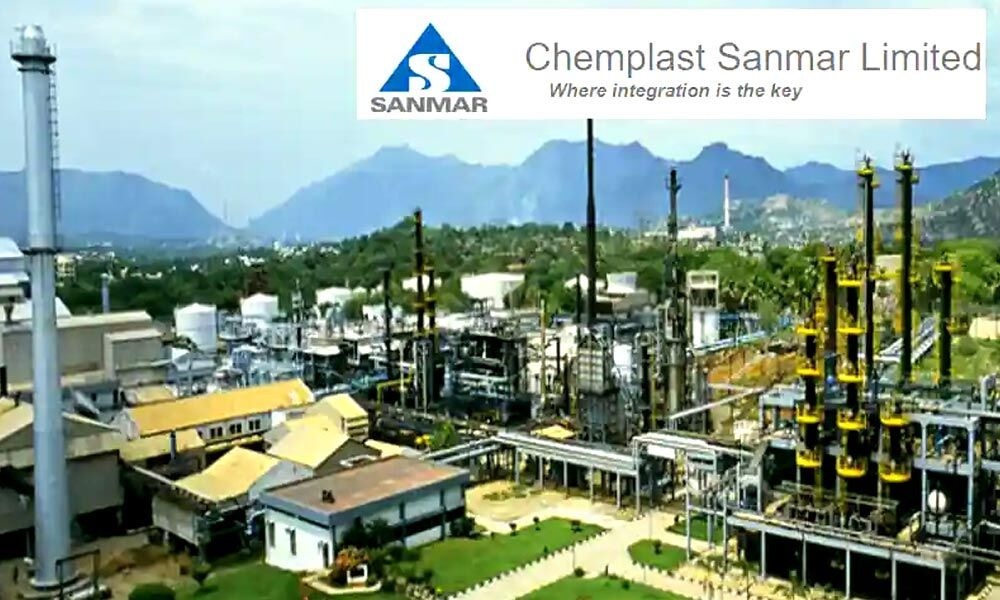
And yet… this is not some shady penny chemical lab operating from a garage. This is a fully integrated PVC + specialty chemicals platform, with 4 manufacturing locations, deep backward integration, and ₹1,600 Cr capex underway.
So what are we looking at here — a cyclical chemical victim, or a leverage-fuelled endurance test for shareholders?
Grab popcorn. This one oscillates between industrial brilliance and financial heartbreak.
2. Introduction
Chemplast Sanmar is what happens when India’s chemical ambition collides head-on with global dumping, weak cycles, and high fixed costs.
On paper, it checks every “quality manufacturer” box:
- Backward integration ✔
- Multiple chemical verticals ✔
- Market leadership in Paste PVC ✔
- Long-term CMC contracts ✔
- Entry into next-gen refrigerants ✔
But markets don’t reward capability — they reward timing. And Chemplast’s timing since FY23 has been… let’s just say unfortunate.
Between PVC dumping, caustic soda oversupply, agrochemical slowdown, and interest costs ballooning, margins collapsed from 9% in FY23 to 1% in FY24, improved slightly to 5% in FY25, and then again slipped in Q1–Q3 FY26.
So now we have a company:
- Losing money
- Carrying ₹1,889 Cr debt
- Sitting on massive capex
- Trading at valuation multiples that assume a future turnaround
Question for you before we go deeper:
👉 Are you looking at Chemplast as a “next-cycle winner” or a “balance-sheet hostage”?
3.