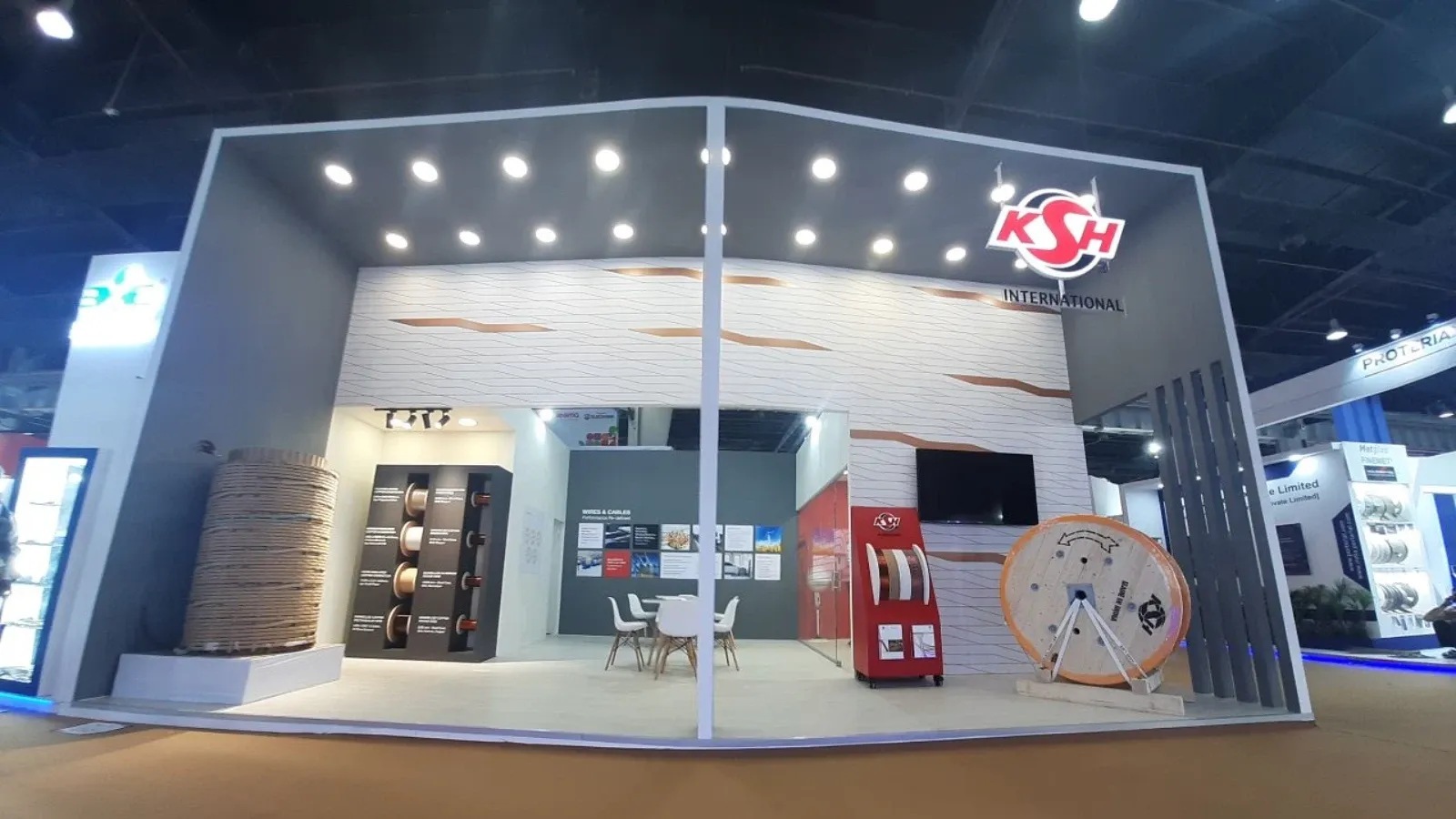
KSH International Q3 FY26 – ₹818 Cr Quarterly Revenue, 76.5% Utilisation, ₹489 Cr Debt: Industrial Darling or Copper-Coated Valuation?
1. At a Glance
KSH International just walked into the listed market like a 45-year-old factory uncle suddenly discovering Instagram Reels. Third-largest magnet winding wire manufacturer in India, largest exporter, freshly IPO-polished, and now trading at ₹367 with a market cap of ₹2,492 crore. The latest quarterly revenue clocked in at ₹818 crore (yes, one quarter), while PAT politely slipped to ₹23 crore, reminding us that copper doesn’t forgive margin mistakes.
ROCE stands tall at 21.4%, ROE at a very Instagrammable 25.7%, but the balance sheet is carrying ₹489 crore of borrowings like gym weights it just started lifting post-IPO. Stock P/E? A spicy 37×. Book value? ₹51.7. Price-to-book? A gym-bro 7.09×.
Capacity utilisation sits at 76.5%, exports form 32.5% of revenue, and 94.5% of revenue comes from repeat customers—which basically means customers keep coming back even when copper prices play Holi.
So the question: is this a precision engineering exporter entering an EV-led golden age… or a capital-intensive commodity business wearing a premium valuation kurta?
Let’s open the transformer.
2. Introduction – From Enamelled Wires to Enamelled Valuations
Founded in 1979, KSH International has survived license raj, liberalisation, China dumping cycles, commodity supercycles, and now—IPO Twitter threads. That alone deserves a slow clap.
The company sits in a boring-sounding but mission-critical niche: magnet winding wires. These are the arteries of transformers, motors, generators, EV traction motors, railway equipment, and power T&D infrastructure. If electricity flows, KSH probably touched it somewhere.
FY25 was the breakout year. Revenue jumped to ₹1,928 crore, PAT to ₹68 crore, and suddenly everyone discovered that “magnet wire” is not a refrigerator accessory. IPO followed. Capital raised. Debt repaid (partially). New EV-focused facility announced. Analysts discovered words like “CTC” and “HVDC”.
But markets are cruel therapists. They don’t care about legacy. They care about margins, cash flows, and whether this growth is structural or just copper price inflation wearing a suit.
Let’s break it down—slowly, sarcastically, and with full auditor-level paranoia.
3. Business Model – WTF Do They Even Do?
At its core, KSH makes insulated copper and aluminium wires that go inside electrical equipment. That’s it. No apps. No SaaS. No AI. Just metal, insulation, heat, and very angry quality inspectors.
Product Mix
Specialised magnet winding wires (75%)
Paper-insulated rectangular conductors
Continuously Transposed Conductors (CTC)
HVDC and EHV-grade wires
Standard wires (25%)
Enamelled round copper/aluminium wires
Specialised wires are where margins live and where approvals matter. Being approved by PGCIL, NTPC, NPCIL, and RDSO is like getting a blue tick from the Government of India.
Customers
122 customers in FY25. 94.5% repeat revenue. Translation: once you’re approved, switching suppliers is painful, risky, and career-ending for procurement managers.
End Markets
Power transformers
Railways
EV traction motors
Industrial motors
Renewable energy infrastructure
This is not a “sell to retail” business. It’s a “don’t screw up or the transformer explodes” business.
But here’s the catch: copper and aluminium prices move faster than management PowerPoints. Margins are thin. Working capital is heavy. Cash flows are moody.
So yes, the moat exists—but it’s lined with molten metal.
4. Financials Overview – Growth With a Side of Margin Stress