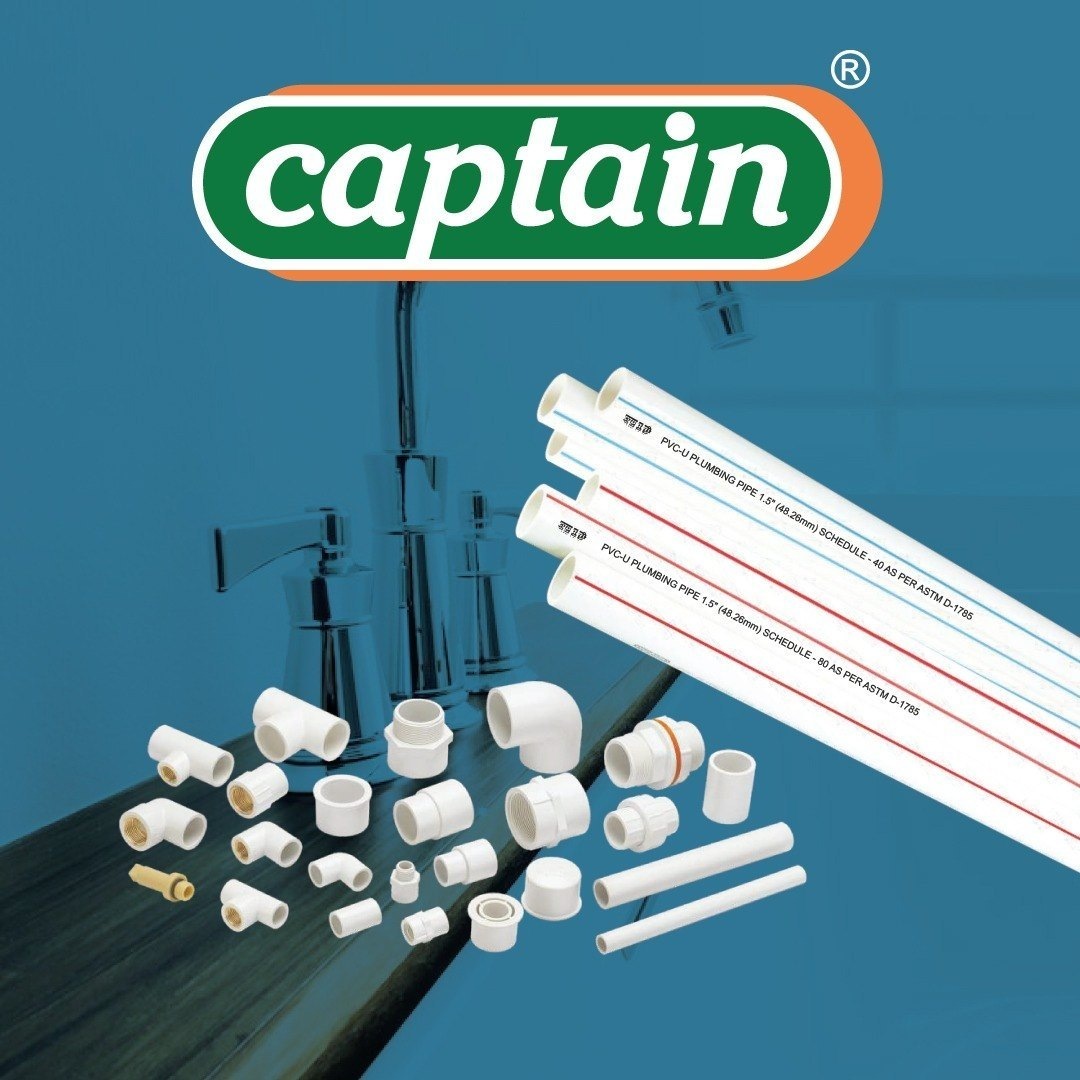
1. At a Glance – The TL;DR With Masala
Captain Pipes Ltd is what happens when a small-cap plumbing and agriculture pipes company decides it wants to punch above its weight class—sometimes landing clean hits, sometimes swinging wildly.
Market cap sits around ₹176 Cr, stock price at ₹11.4, down a painful 37% over one year (yes, that hurts). Yet, ROE of ~20%, PAT of ₹9.93 Cr, and EPS of ₹0.65 quietly whisper: “I’m not dead yet.”
Q3 FY26 results showed ₹20.12 Cr revenue with PAT of ₹1.88 Cr, a solid 72.5% YoY profit jump, even though topline dipped QoQ. OPM hovered around 9–12%, which is respectable for a pipes player without celebrity branding.
Debt is ₹33.3 Cr, Debt/Equity 0.71—not scary, but not monk-level clean either. Promoters hold 64.4%, though that holding has been slipping slowly over the last few years.
And then there’s the big flex: a new 20,000 MT Ahmedabad plant that has already started commercial production. Growth runway? Yes. Execution risk? Also yes.
Question for you already: Is this a classic “ignored microcap with optionality” or just another pipes company with CAPEX dreams and PVC nightmares?
2. Introduction – Pipes, Promoters, and the Eternal PVC Cycle
India loves pipes.
Farmers love irrigation pipes.
Builders love plumbing pipes.
Investors love… margins and cash flows (which pipes companies sometimes forget to love back).
Captain Pipes Ltd was incorporated in 2010, part of the Captain Group, and plays in the crowded but essential uPVC / CPVC / HDPE pipes and fittings universe. Unlike giants like Astral or Supreme, Captain Pipes doesn’t sponsor IPL teams or plaster hoardings on highways. It survives on distribution, price competitiveness, and rural-agri demand.
Over the years, the company has built a presence across 1,500+ hardware retailers, with a wide SKU portfolio covering agriculture, plumbing, and allied piping solutions. Exports contribute about 11%, so it’s not entirely hostage to domestic cycles.
But here’s the catch:
PVC is cyclical.
Margins are fickle.
And small players feel raw material shocks first.
Captain Pipes has shown flashes of brilliance—especially in profitability—but also moments where other income saved the day (₹7.2 Cr in TTM, not pocket change).
So the real story isn’t “what do they sell?”
It’s “can they scale profitably without blowing up the balance sheet?”
Be honest—how many pipes companies can you actually name that created long-term wealth?
3. Business Model – WTF Do They Even Do?
Captain Pipes does one thing and does it loudly: plastic piping solutions.
Two Core Segments
1) Agriculture Solutions
This includes:
- uPVC pressure pipes
- Column pipes
- Agri fittings
These are used in borewells, irrigation systems, and water delivery, especially in rural and semi-urban India. Demand here is seasonal, policy-driven (subsidies!), and weather-dependent.
2) Plumbing Solutions
Includes:
- uPVC pipes & fittings
- CPVC pipes & fittings
- SWR pipes
This segment benefits from housing, construction, and replacement demand, but faces brutal competition from