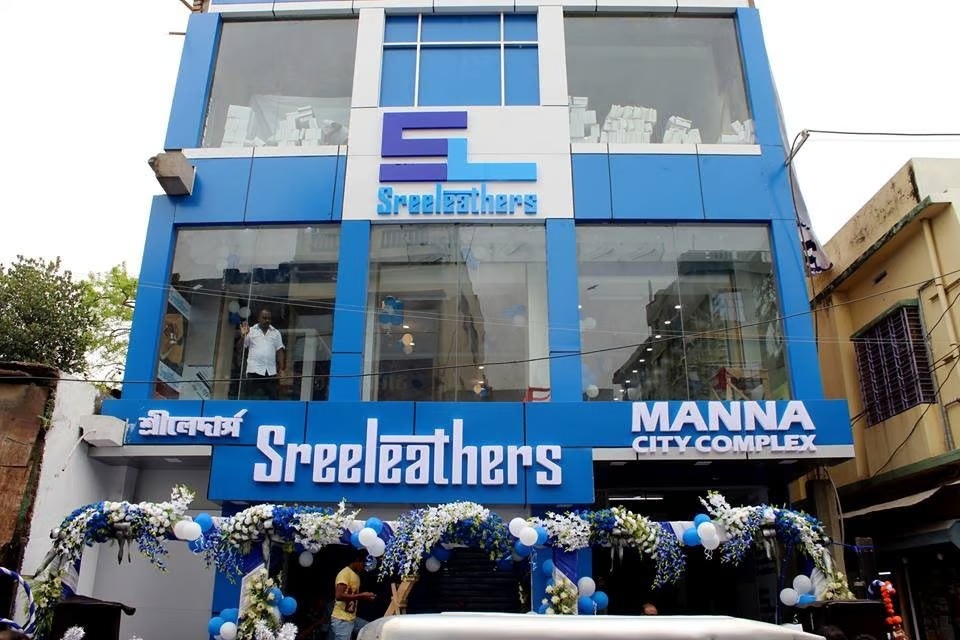
1. At a Glance — The Footwear Giant That Refuses to Run
Sreeleathers Ltd, the OG footwear retailer that once taught India you don’t need Italian surnames to wear leather, reported Q3 FY26 revenue of ₹60.9 Cr and PAT of ₹7.53 Cr, clocking a 21.7% YoY jump in quarterly profit. Respectable numbers, clean balance sheet, zero promoter pledge, 75% promoter holding, and almost no debt (₹2.4 Cr).
Yet the stock is chilling at ₹211, closer to its 52-week low of ₹206 than the high of ₹283. Market cap? ₹488 Cr. P/E? ~20x, when the industry median is chilling at ~38x.
This is the kind of company your CA uncle loves but your momentum-bro cousin ignores. Why? Because Sreeleathers is boring, slow, profitable, and refuses to shout “growth story” on Twitter.
Retail contributes just 18% of revenue, while 82% comes from non-retail (wholesale/trading) — a structure that prints cash but kills brand-premium dreams.
Margins are stable, cash flows are clean, inventory days are improving, and yet ROE is stuck at ~5–6%, like a disciplined student who never tops the class.
So the question is simple:
Is Sreeleathers an undervalued cash machine… or a value trap wearing leather sandals in a sneaker world?
Let’s dig. 👞📊
2. Introduction — From Lindsay Street to Listed Street
Before D2C brands discovered Instagram reels, Sreeleathers discovered middle-class India.
Founded in 1991 by Sri Satyabrata Dey, the company started with a simple idea: good quality leather footwear should not cost half your monthly salary. At a time when Bata was aspirational and local cobblers were unreliable, Sreeleathers quietly built trust — one chappal at a time.
Its Lindsay Street showroom in Kolkata, now crowned the world’s largest single-brand footwear store, is less a store and more a pilgrimage site for value shoppers.
But here’s the twist:
Sreeleathers never became a “brand” stock. It became a cash stock.
No fancy ad spends.
No influencer marketing.
No aggressive store expansion.
Instead, it focused on working capital discipline, fast inventory churn, and low debt — the holy trinity your MBA professor dreams about but Dalal Street yawns at.
Fast forward to FY25:
- Annual sales: ₹239 Cr
- PAT: ₹24.4 Cr
- EPS (TTM): ₹10.52
- Dividend yield: ~0.47%
And in Q3 FY26, the company declared an interim dividend of Re.1/share, flexing its balance-sheet muscles yet again.
But despite three decades of survival, Sreeleathers faces an existential question:
Can an old-school wholesale-heavy footwear company thrive in a world obsessed with sneakers, branding, and ROCE slides?
Let’s see what they actually do.
3. Business Model — WTF Do They Even Do?