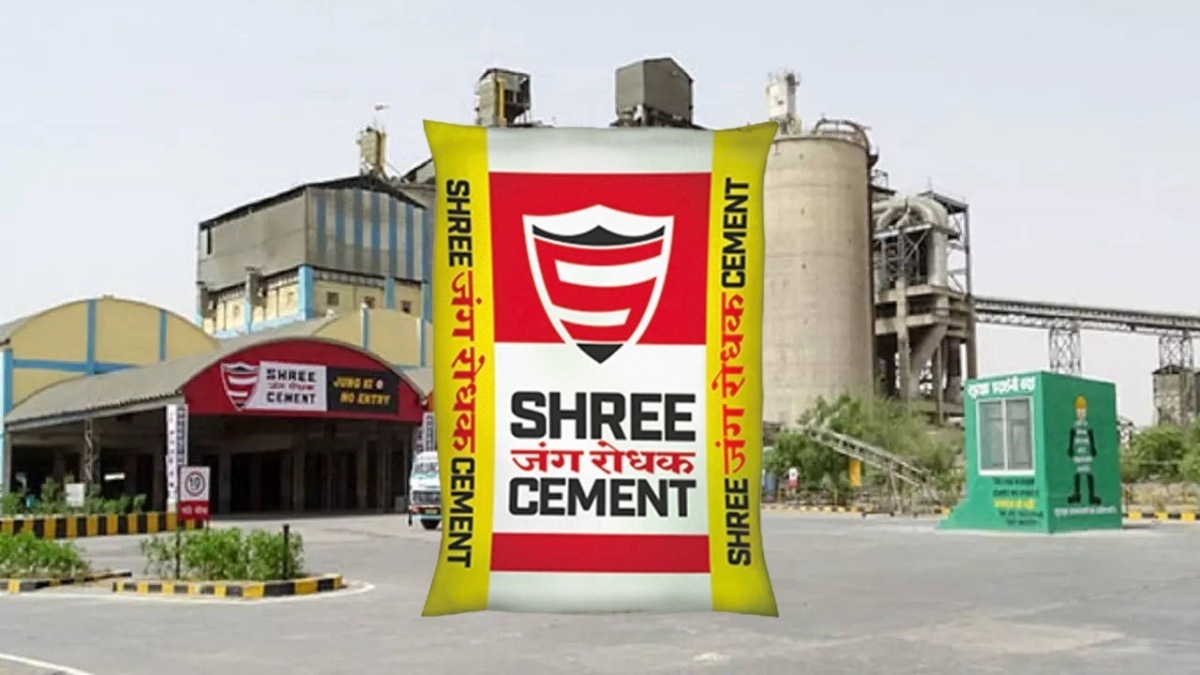
Shree Cement Ltd Q3 FY26: ₹27,330 Stock, ~₹450 Annualised EPS, 55–60× P/E — Lowest-Cost King Feeling the Heat
1. At a Glance
Shree Cement walks into Q3 FY26 wearing two badges at once: India’s lowest-cost cement producer and one of the priciest stocks in the sector. At a market cap of ₹98,609 Cr and a stock price hovering around ₹27,330, the company is basically saying: “I run lean, so please pay premium.”
Q3 FY26 delivered ₹4,801 Cr revenue (+5% YoY) and ₹268 Cr PAT (+38% YoY). Margins recovered sequentially, helped by easing fuel costs and operating leverage — but volumes and realizations are still not throwing a wedding-level celebration. ROCE sits at 6.7%, ROE at 5.3%, and yet the stock trades at ~55× trailing EPS.
Three-month returns are flat, six-month returns are negative, and five-year stock CAGR is basically a polite shrug. Meanwhile, Shree continues pouring ₹4,000 Cr/year capex, expanding capacity toward 80 MTPA by FY28, and quietly entering Ready Mix Concrete (RMC) like a disciplined overachiever who also joined the gym at 5 a.m.
So the big question: Is this a temporary margin hiccup… or is the market paying Ferrari prices for a very efficient tractor? Let’s dig.
2. Introduction
Shree Cement is that student in class who tops every efficiency metric but still gets judged harshly because expectations are sky-high. Being the lowest-cost producer is a blessing — until cement prices cool, volumes slow, and investors start asking uncomfortable questions about return ratios.
Over FY22–FY24, Shree grew volumes from 27.7 MT to 35.5 MT — a solid 28% jump. Revenues followed, up 37%, even as realizations softened. That’s classic Shree behavior: sell more tonnes, squeeze costs harder, survive cycles.
But here’s the twist. Despite all this operational excellence, profit growth over 3–5 years is negative, ROE has compressed, and the stock has gone nowhere. This isn’t because Shree is doing badly — it’s because the bar is set absurdly high.
Q3 FY26 shows signs of recovery: margins rebounding, PAT up sharply YoY, and capacity utilization inching up. Yet the valuation still assumes near-perfect execution. In cement — a cyclical, capital-heavy business — perfection is… aspirational.
3. Business Model – WTF Do They Even Do?
At its core, Shree Cement does one thing obsessively well: manufacture cement at the lowest possible cost per tonne.
How?
Captive limestone mines (no begging suppliers)
1,015 MW captive power across coal, WHRS, solar & wind
High blended cement mix, reducing clinker and fuel intensity
Ruthless control over logistics and operating expenses
The product mix includes PPC, OPC, PSC under the Bangur brand family, with premium push via Bangur Magna. Premium products have grown from 7% of trade mix (FY22) to 15% by Q2 FY25 — a deliberate attempt to fight commoditization.
Distribution spans 21,000+ dealers, with 76% retail trade mix — higher margin but also more competitive. And now, Shree has entered Ready Mix Concrete, acquiring 5 plants and commissioning greenfield units under Bangur Concrete, targeting 100 plants in 50 cities.
In simple terms:
Cement is the engine. Power is the turbocharger. RMC is the optional nitro boost.
But all of this comes with heavy capex, and returns take time.