1. At a Glance
Bengal Tea & Fabrics Ltd (BTFL) is that uncle at the family wedding who sold ancestral land, shut down the textile shop, and suddenly started looking rich — but only in photos. Market cap sits around ₹139 Cr, stock at ₹154, and the last quarter just screamed “3,800% profit growth” loud enough to wake up Andrew Yule. But calm down — this is not a Netflix turnaround series; it’s more Doordarshan reruns with occasional fireworks.
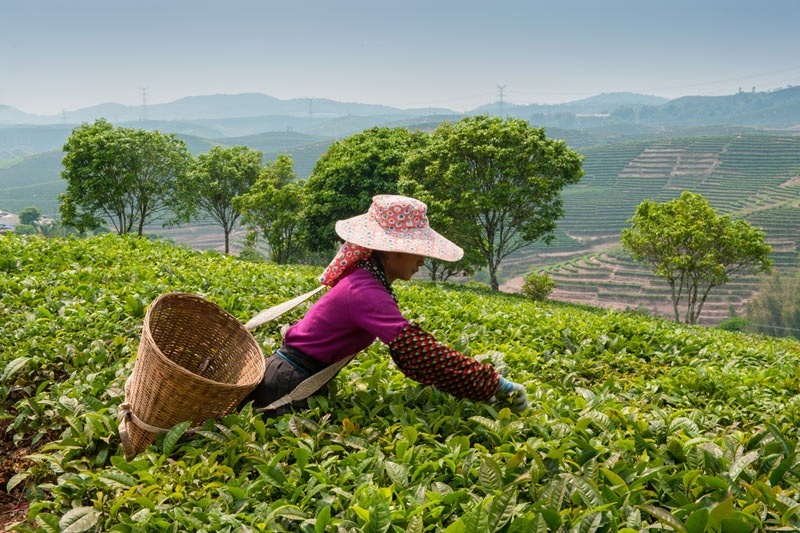
The company exited textiles in FY22, sold a real estate asset, and is now a pure-play Assam tea estate company with three gardens spread across 626 hectares. Debt is almost extinct (₹8.5 Cr), P/B is a juicy 0.69, dividend yield ~1%, and ROE looks absurd at 55%. But sales growth over 5 years is negative, margins are thinner than a tea bag string, and “Other Income” keeps gate-crashing profits like an uninvited cousin.
Latest Q3 FY26 PAT is ₹4.81 Cr on revenue of ₹20.1 Cr — sounds solid, until you notice the rollercoaster history. So… is this a hidden tea gem or just land-sale sugar rush? Let’s sip carefully.
2. Introduction
Bengal Tea & Fabrics Ltd is a company that has lived many lives. Once a textile business. Then a real estate player. Now — after some financial reincarnation — it’s a tea company pretending to be boring while doing dramatic things in the P&L.
Post FY22, management did something rare in India Inc: they shut a loss-making business instead of doing “strategic restructuring” PowerPoint gymnastics. Textiles were shown the exit door. Real estate assets were monetised. What remains is tea — actual leaves, auctions, estates, rainfall risk, and labour costs.
And tea, as an industry, is not exactly a margin monster. It’s seasonal, weather-dependent, wage-heavy, and pricing power is… let’s say “negotiated aggressively by buyers”. So when BTFL suddenly posts insane profit growth numbers, the first instinct should not be celebration — it should be forensic accounting curiosity.
The company is now focused on black tea production (CTC + orthodox), sourcing partly from small growers, and increasingly selling via auctions to reduce customer concentration risk. Scale is moderate, ambition is cautious, and the brand “1950 Origins” just entered packet tea — which is management’s subtle way of saying, “we’d like some FMCG margins please.”
But before we clap, let’s open the numbers properly.
3. Business Model – WTF Do They Even Do?
At its core, BTFL runs three tea estates in