1. At a Glance
₹292 stock price. ₹2,438 Cr market cap. 27.4× trailing P/E. OPM flirting with 30% like it owns the room. And a Q3 FY26 where quarterly sales clocked ₹264 Cr, PAT ₹45.1 Cr, and EPS ₹5.39. That’s not “seasonal good luck,” that’s a full-blown wedding season + operational discipline combo platter.
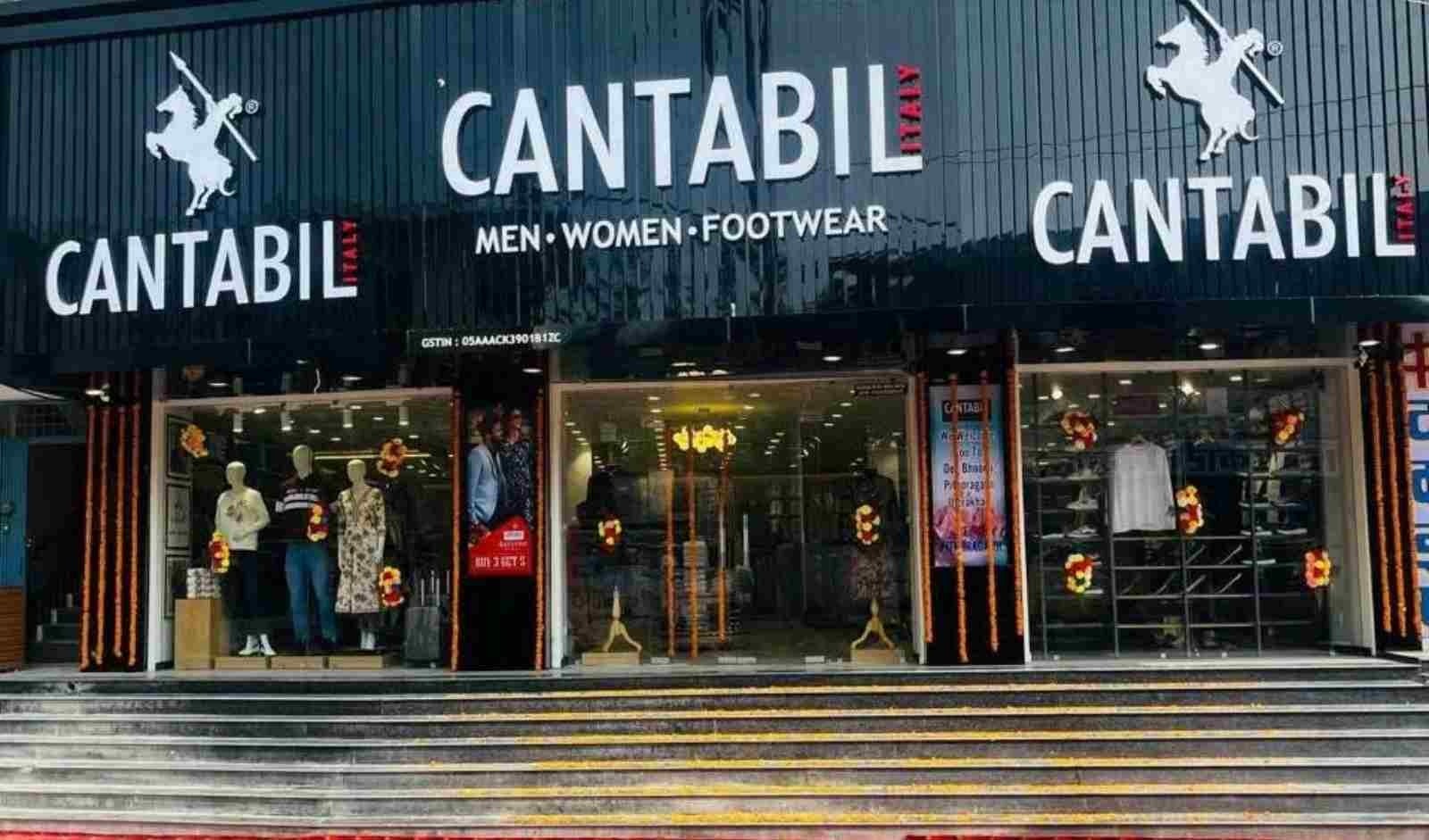
Cantabil is one of those Indian retail stories that quietly compounds while louder brands burn cash on influencer reels. Economy-to-mid priced apparel, heavy tilt toward men’s wear, a pan-India EBO network that keeps expanding, and margins that make peers cough awkwardly. Add a 74%+ promoter holding with zero pledge, a stated Vision 2027 of ₹1,000 Cr revenue, and you’ve got a company that thinks in spreadsheets, not slogans.
But before we get carried away and start humming fashion anthems—there’s debt. There’s working capital. There’s inventory days that could give an auditor mild anxiety. So is this a disciplined fashion retailer… or just a very well-dressed risk?
Let’s open the wardrobe and inspect the stitching.
2. Introduction
Cantabil has been around since 1989, which in Indian apparel years means it has survived license raj hangovers, the denim invasion, the fast-fashion TikTok era, demonetisation, GST, COVID, and now the “discount everything but call it premium” age.
Unlike trend-obsessed brands chasing Gen-Z dopamine hits, Cantabil plays a simpler game: men’s fashion that looks decent, lasts long enough, and doesn’t destroy the wallet. Add women’s, kids, and accessories as growth levers, and distribute aggressively via Exclusive Brand Outlets (EBOs).
This is not a marketplace-dependent brand. This is a store-first business that uses online platforms as incremental distribution, not existential oxygen. That distinction matters—especially when e-commerce discount wars turn ugly.
The company manufactures only ~25% in-house, sources the rest smartly, controls design internally, and focuses on store productivity metrics like PSF, ABV, ASP, and SSG—terms that separate retailers from fashion influencers.
And in H1 FY26, Cantabil didn’t whisper performance. It shouted:
- 630 stores
- 8.48 lakh sq. ft retail area
- SSG of 6.7%
- PSF ₹637
- ABV ₹4,021
If retail is detail, Cantabil is obsessively counting buttons.
3. Business Model – WTF