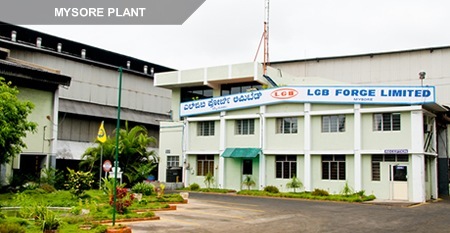
1. At a Glance
LGB Forge Ltd is trading at ₹7.06, down ~47% over one year, with a market cap of ₹168 Cr, and somehow still commands a Price-to-Book of ~9x despite delivering losses, negative ROE, and recurring operational hiccups.
Yes, you read that right — this is a forging company that has successfully forged losses more consistently than components.
Latest quarter (Q3 FY26 – Dec 2025) revenue came in at ₹23.85 Cr, marginally down QoQ, while PAT stood at a loss of ₹1.86 Cr. Operating margins are wobbling around 1–3%, interest coverage is 0.49x, and debt sits at ₹25.8 Cr — which is not catastrophic, but also not comforting when profits are missing in action.
Promoters still hold a solid 72.89%, but even they shaved off 0.90% recently. Add to that:
- Employee strikes
- Plant shutdowns
- CEO resigning in 3 months
- Operating losses blamed on machinery breakdowns
This stock is less “Make in India” and more “Breakdown in India”.
So the real question:
Is LGB Forge a deep value turnaround hiding behind chaos, or a zombie auto ancillary surviving on hope, scrap sales, and group support?
Let’s pop the helmet, lift the bonnet, and inspect this forging unit bolt by bolt.
2. Introduction – When Forging Steel Is Easier Than Forging Profits
LGB Forge Ltd was incorporated in 2006 and belongs to the Coimbatore-based LGB Group, a well-known auto ancillary conglomerate. On paper, this gives comfort. In reality, the listed entity behaves like the black sheep cousin at a family wedding — present, but slightly awkward.
The company operates as a tier-II supplier, meaning it supplies components to tier-I auto component manufacturers, who then supply OEMs. Translation:
- Low pricing power
- High volume dependence
- Zero brand visibility
- Constant margin pressure
In good times, tier-II players make thin but stable profits.
In bad times, they bleed first.
And FY23–FY26 has clearly been “bad times”.
Despite being in a sector that benefits from India’s auto cycle, LGB Forge reported:
- Operating loss of ₹2.4 Cr in FY23
- Operating loss again in Q1 FY24
- Continued net losses through FY25 and Q3 FY26
Management blamed:
- Machinery breakdowns
- Machining division challenges
- Demand volatility
- Labour strikes
At some point, these stop being “one-offs”