1. At a Glance – The Atta That Shook Dalal Street
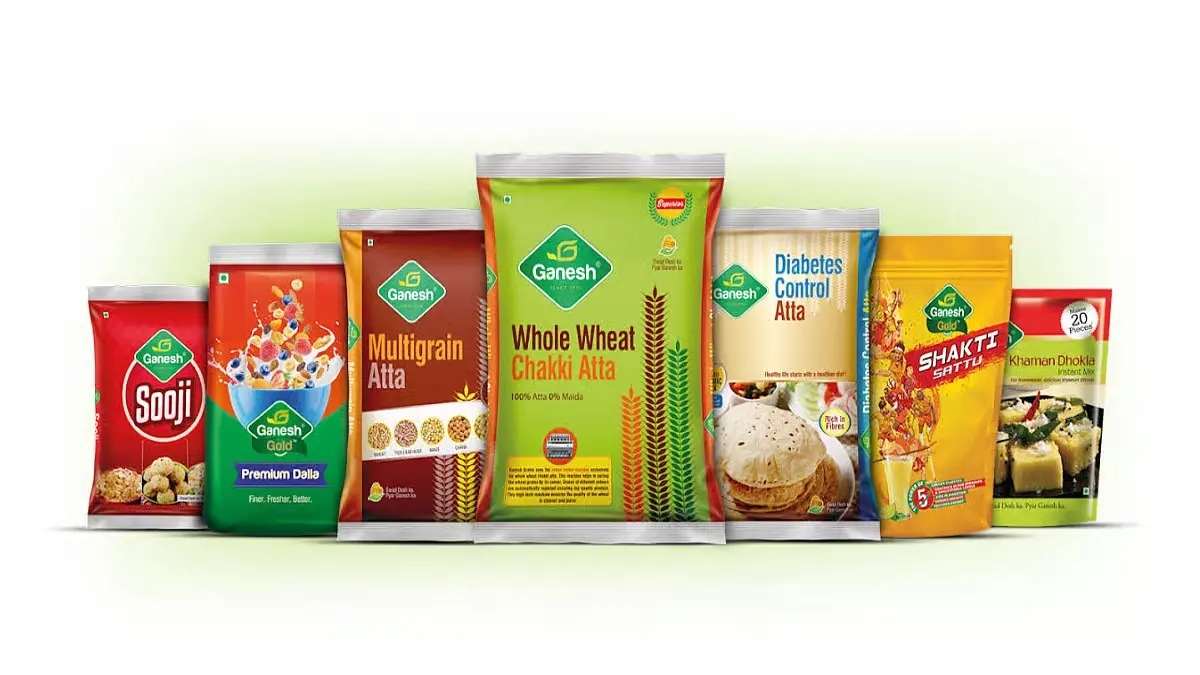
Ganesh Consumer Products Ltd walked into the market with a thali full of atta, sattu, maida, and spices, raised ₹409 Cr via IPO, and then watched its stock cool off faster than a forgotten tandoori roti. Current market cap sits around ₹811 Cr, CMP near ₹201, down ~27% over the last 3 months, while profits quietly did a 56% QoQ jump in Q3 FY26. Irony? Absolutely.
This is an FMCG company with ₹873 Cr TTM revenue, ₹37.4 Cr PAT, ROCE of ~19%, ROE ~15.8%, and a P/E of ~21.7, operating in a sector where peers happily trade at nosebleed multiples. Ganesh isn’t selling dreams. It’s selling chakki atta, sattu, besan, and masalas to East India—day in, day out.
But here’s the real masala: while topline growth looks boring on the surface, operational discipline, expanding B2C mix (77%), and improving margins are quietly changing the texture of the dough. Is the market ignoring something? Or is this just another IPO honeymoon hangover? Let’s knead the numbers properly.
2. Introduction – From Local Chakki to Listed FMCG
Ganesh Consumer Products is not the kind of company that screams “new-age FMCG disruptor.” No celebrity ads. No vegan quinoa nonsense. Just wheat, gram, and spices—things Indian kitchens have trusted longer than most fund managers have been alive.
Founded in 2000 and headquartered in Kolkata, Ganesh built its dominance brick by brick in East India. Today, it is the third-largest packaged atta brand and the largest wheat-derivative player (maida, sooji, dalia) in the region. Add to that a 43.4% market share in packaged sattu, and you’ve got a business that basically owns breakfast in Bihar, Bengal, and Jharkhand.
The IPO in September 2025 brought visibility, capital, and scrutiny. Investors expected fireworks. What they got instead was steady execution, mild margin expansion, and a stock price correction. Typical Indian IPO story, right?
But FMCG businesses aren’t sprint races. They’re pressure cookers—slow build-up, then phissss. The real question is: does Ganesh have enough gas under the cooker?
3. Business Model – WTF Do They Even Do?
Imagine a giant industrial chakki grinding wheat for 70,000 kirana stores. That’s Ganesh Consumer in one