1. At a Glance
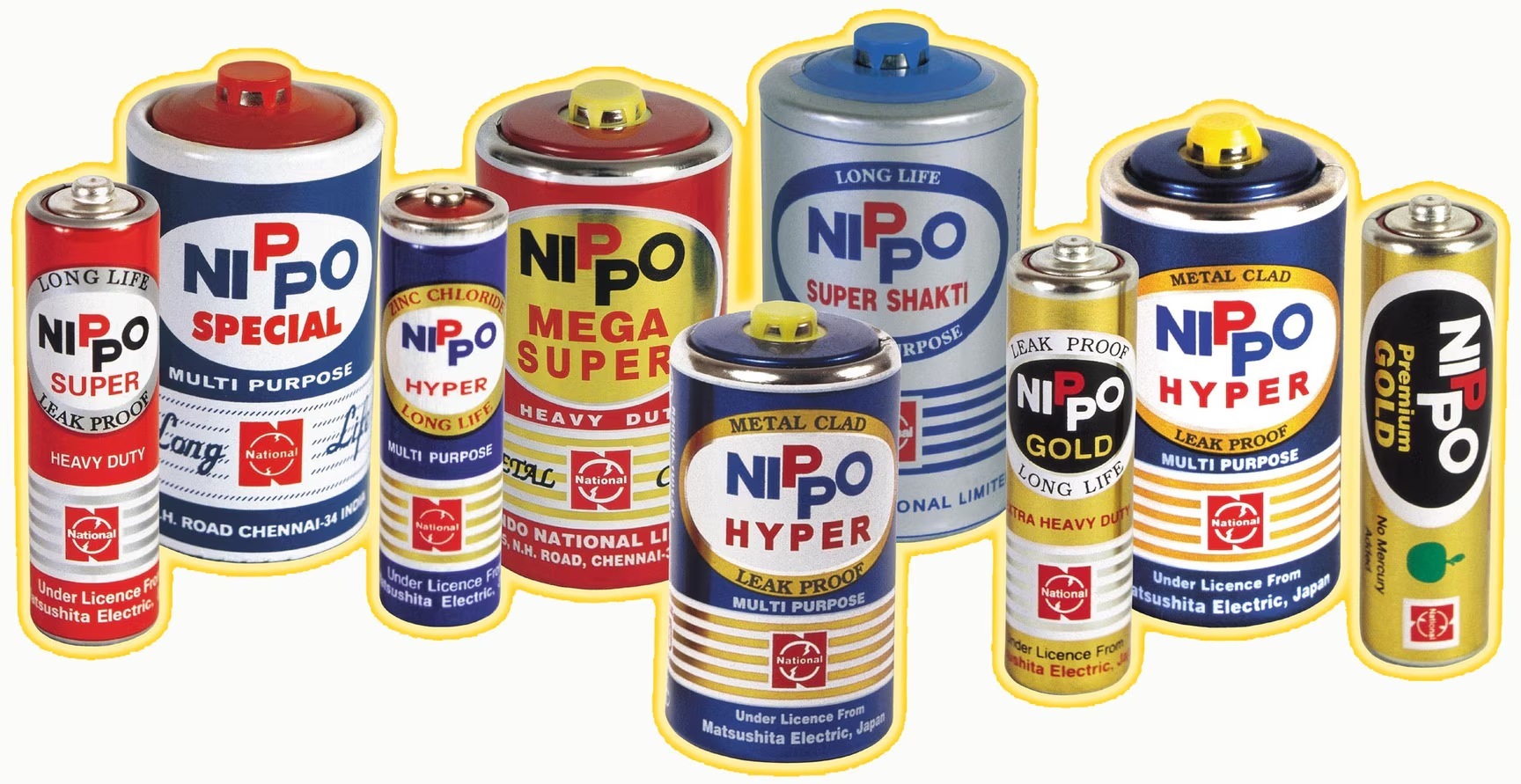
Indo National Ltd (aka the company behind the Nippo batteries your TV remote still depends on) is one of those classic Indian household names that quietly sits in 17 lakh retail outlets while its stock price quietly sulks. As of now, the company carries a market capitalisation of ₹278 crore, trades at around ₹371, and has delivered a rather painful -23.7% return over one year. Three-month and six-month returns? Also negative. Momentum traders already left the chat.
But here’s the plot twist. Despite reporting a Q3 FY26 consolidated loss of ₹7.85 crore, Indo National still flashes ROCE of ~33% and ROE of ~37%. Yes, you read that right. Loss-making quarter, but headline return ratios that would make FMCG darlings blush. This is what happens when accounting history, asset write-backs, and other income decide to throw a house party.
Sales for the latest quarter came in at ₹106 crore, down 12.6% YoY, while operating margins slipped deep into negative territory at -6.4%. Debt has come down to ₹41 crore, promoter holding is a steady 65.35%, and the stock trades at just 0.7x book value.
So what is Indo National today? A battered consumer durables player? A battery business in structural decline? Or a misunderstood cash-generating dinosaur trying to reinvent itself with aerospace composites and air purification dreams?
Let’s open the torch. Hopefully, the battery doesn’t die mid-article.
2. Introduction – From Remote Controls to Rocket Parts
Indo National was incorporated in 1972, back when dry cell batteries were as essential as electricity itself. For decades, Nippo batteries sat comfortably as the second-largest dry cell brand in India, with over 30% market share and installed capacity of 78.5 crore batteries per annum. This wasn’t some niche business; this was mass consumption, pan-India, kirana-store economics.
Then the world changed.
Remotes became rechargeable. Toys went lithium-ion. Wall clocks stayed, but demand growth slowed. Battery replacements stopped being a weekly ritual. And suddenly, a business built on zinc-carbon cells started looking… vintage.
Indo National tried to respond. It expanded into torches, mosquito swatters, LED products, electrical accessories, even razors and blades. Basically, if it needed a battery or sat near one on the shelf, Nippo wanted in.
But the real curveball came when Indo National, through its subsidiary Kineco Kaman Composites, entered the composite and aerospace components space. Yes, the same group that sells mosquito bats also delivered OMA assemblies for India’s Gaganyaan human spaceflight mission.
Remote control to rocket component. Only in India.
Fast forward to FY25–FY26, and the company now finds itself juggling declining consumer battery demand, volatile margins, one-off other income spikes, acquisitions like Medcuore Technologies, and a balance sheet that looks healthier than its P&L.
Confused? Good. That’s exactly where Indo National lives right now.
3. Business Model – WTF Do They Even Do?
Let’s break Indo National into two personalities, because this company definitely has an identity crisis.
1) Consumer Products – The OG Battery Business
This is the legacy core.
Products include:
- Zinc-carbon and alkaline batteries
- Battery-operated and rechargeable torches
- Mosquito swatters
- LED lighting products
- Electrical accessories like spike guards and flex boxes
In FY23, revenue mix looked like this:
- Dry batteries: ~44%
- Torches: ~3%
- LED & lighting products: ~17%
- Other consumer products: ~6%