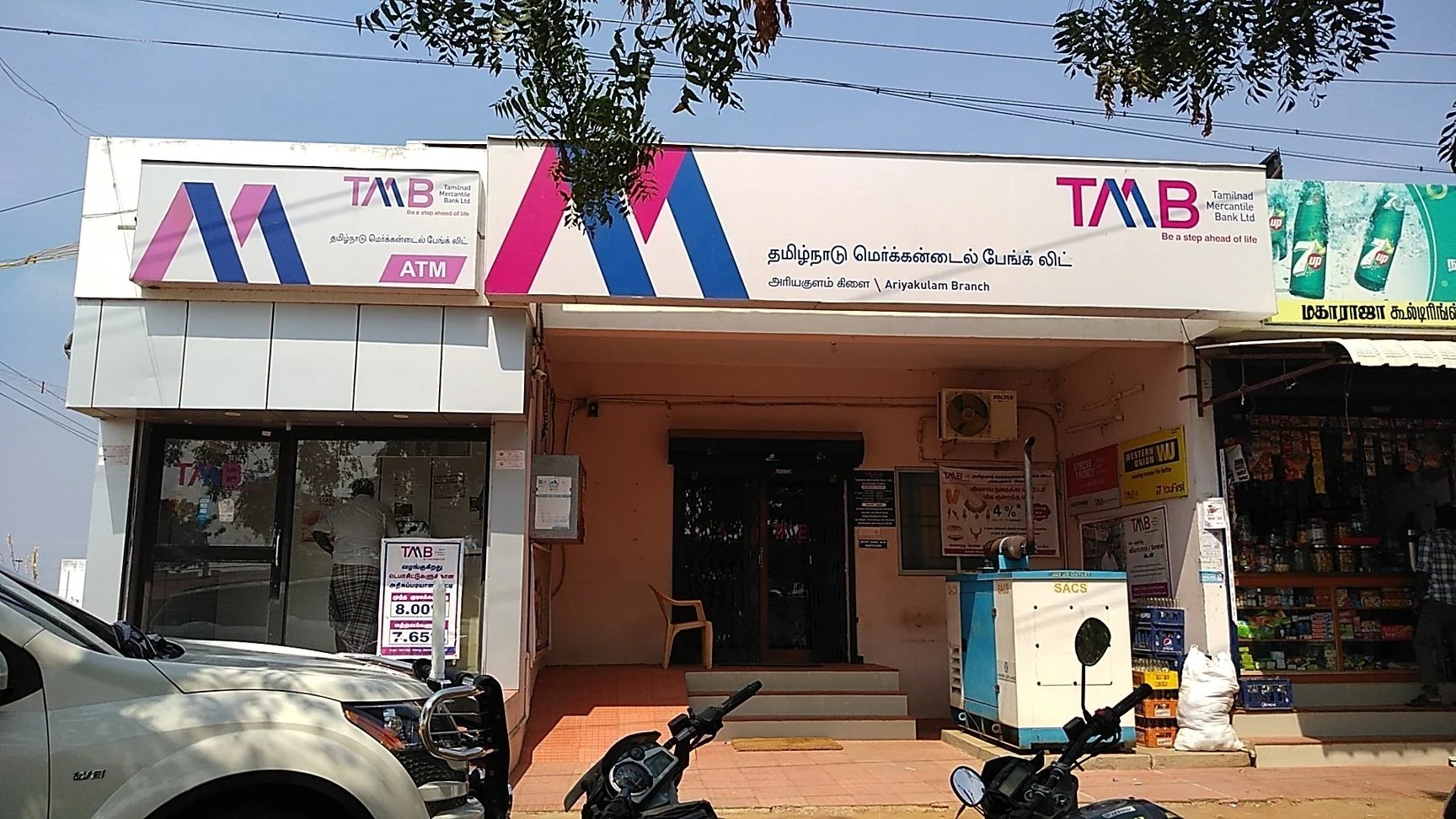
1. At a Glance
Tamilnad Mercantile Bank (TMB) is that 100-year-old uncle in the Indian banking family who doesn’t talk much, doesn’t party, but quietly owns the house, the land, and half the gold locker in the village. As of Q3 FY26, TMB is sitting on a market cap of ~₹9,870 crore, trading at ₹624, almost 1x book value, with a P/E of 7.86—which in today’s frothy banking valuations feels like it wandered in from 2013.
The latest quarter delivered a PAT of ₹342 crore, up 13.7% YoY, with gross NPAs down to 0.91% and net NPAs at a laughably low 0.20%. Capital adequacy stands tall at 31%+, making most private banks look underdressed. Deposits crossed ₹56,700 crore, advances climbed to ₹50,763 crore, and the bank continues to do what it has always done best—lend small, collect on time, and sleep peacefully.
The stock is up ~26% in three months and ~43% over one year, yet still trades like the market doesn’t quite trust it. Is that undervaluation… or unresolved baggage? Let’s dig.
2. Introduction – The Quiet Bank With Loud Numbers
TMB was incorporated in 1921, long before Excel sheets, core banking, or even RBI supervision as we know it today. It was built by the Nadar community with a simple philosophy: lend to people you understand, keep ticket sizes small, and don’t get greedy.
Fast forward to FY26, and that DNA is still intact. TMB is not trying to be a fintech darling, not chasing flashy unsecured loans, and definitely not throwing money at influencer marketing. Instead, it focuses on MSME, agriculture, and granular retail lending, mostly in South India.
Yet, despite posting ROE ~14%, ROA ~1.85%, and one of the cleanest balance sheets in the sector, TMB trades at a valuation discount to almost every private peer. Why? Two words: ownership mess.
Court cases, frozen shares, RBI oversight, and a shareholder structure that looks like a courtroom attendance sheet—these issues have haunted the bank for decades. Even post-IPO, around 38% of shares remain under legal dispute, which keeps institutional investors cautious.
So the question is simple:
Is TMB a hidden gem unfairly punished, or a value trap with permanent governance discount?
3. Business Model – WTF Do They Even Do?
If HDFC Bank is a Swiss army knife and Kotak is a boutique investment banker, TMB is a neighborhood kirana banker—but scaled to ₹1 lakh crore of business.
Core Lending Focus
TMB lends mostly to: