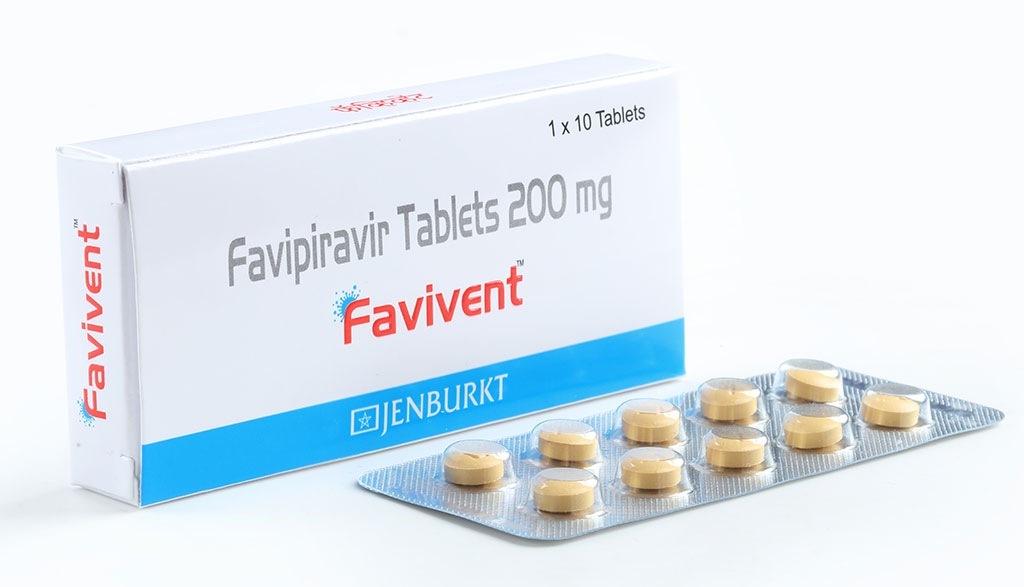
1. At a Glance – Blink and You’ll Miss the Quiet Performer
Jenburkt Pharmaceuticals is that student in class who never raises their hand, never shouts on Twitter, but somehow always tops the exam. Market cap sitting around ₹487 Cr, stock price ₹1,104, and a P/E of ~15x in an industry where drama trades at 30x. Latest quarter revenue came in at ₹43.0 Cr, up 16.6% YoY, while PAT slipped 8.9% YoY to ₹5.93 Cr—not a collapse, more like a breather after running uphill for years. Operating margins? Still a muscular 17–28% range depending on the quarter, with TTM OPM ~24%.
Return ratios are where Jenburkt flexes quietly: ROCE ~27%, ROE ~20%, debt so low (₹1.7 Cr) it’s practically a rounding error. Dividend yield of 1.63% keeps long-term shareholders sweet, while five-year stock CAGR of ~22% tells you this isn’t a sleepy uncle stock—just a disciplined one.
So the question: is this a boring compounder or a forgotten gem hiding behind bigger pharma billboards?
2. Introduction – The Anti-Hype Pharma Story
Indian pharma investing usually swings between two extremes. On one side, global giants chasing USFDA approvals with heart-stopping volatility. On the other, microcaps promising “blockbuster molecules” that never quite leave the lab. Jenburkt lives in neither world. It’s the old-school branded formulations player that shows up every year, sells pain gels, analgesics, nutraceuticals, anti-infectives, and goes home with cash in hand.
Founded in 1985, Jenburkt has survived regulatory cycles, pricing controls, and more government notifications than most startups have had funding rounds. It markets 85 brands, reaches 1 lakh+ doctors, supplies through 1,000+ stockists, and touches 4 lakh+ pharmacies. That’s not flashy—that’s distribution muscle built over decades.
Exports contribute ~18%, domestic ~82%, meaning this is still very much an India-focused story. And that’s intentional. No overdependence on US generics pricing wars. No “one warning letter away from disaster” anxiety. Just steady formulations, steady prescriptions, steady cash.
But steady doesn’t mean stagnant. Q3 FY26 shows revenue growth still intact, margins largely protected, and capital discipline intact. The real debate is not survival—it’s whether growth can re-accelerate meaningfully.
3. Business Model – WTF Do They Even Do?
Let’s simplify this for the smart-but-lazy investor.
Jenburkt does branded formulations, not APIs, not fancy biotech, not moonshot oncology molecules. Think pain management, analgesics, muscle relaxants, nutraceuticals, anti-infectives, anti-fungals, anti-diabetics, and a growing consumer wellness portfolio.
If you’ve ever seen Zixa