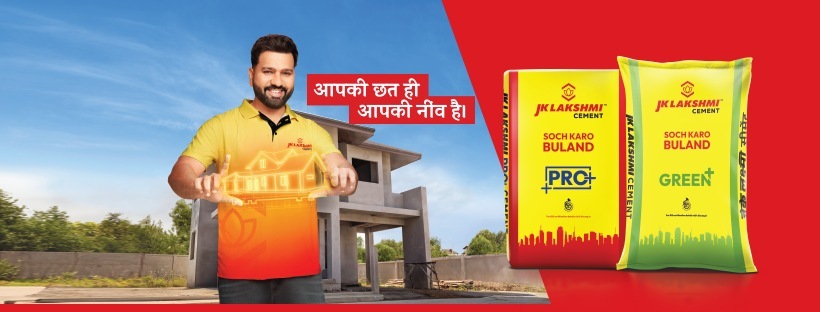
1. At a Glance – Cement, Capex & Controlled Chaos
JK Lakshmi Cement is currently valued at a market cap of ₹9,470 crore, trading around ₹762, and quietly minding its own business while the rest of the cement sector screams valuation bubble. The stock is down ~10.5% over three months and ~17% over six months, which means it is officially in the “ignored but interesting” bucket.
Q3 FY26 numbers were… let’s say civil engineering-level solid. Quarterly sales came in at ₹1,588 crore, up 6.1% YoY, while PAT stood at ₹57 crore, down 4.8% YoY because cement companies apparently enjoy suffering during capex cycles.
Operating margins hovered around 13%, ROCE is ~10.5%, ROE is ~8.7%, and debt-to-equity sits at 0.72 — not pretty, not scary, just very cement-core.
The real headline though? ₹3,000 crore expansion capex, cement capacity jumping from 18 MTPA to 22.6 MTPA, clinker from 10 to 12.3 MTPA, and a long-term ambition of 30 MTPA by FY30.
So the question is simple: is JK Lakshmi Cement building the future… or just another very expensive concrete dream?
2. Introduction – Welcome to the JK Family Cement Reunion
JK Lakshmi Cement Ltd sits inside the legendary JK Organisation, where businesses are passed around like family heirlooms and capital allocation meetings probably feel like wedding negotiations.
This is not a flashy cement story. No dramatic acquisitions. No billionaire drama. No Twitter battles. Just old-school execution, limestone mines, grinding units, and railway sidings.
The company operates primarily across Rajasthan, Gujarat, Maharashtra, Chhattisgarh, Haryana, and Odisha, with a strong western and northern bias. In FY24, 86% capacity utilisation tells you one thing clearly — demand exists, supply is being stretched, and management smelled opportunity.
Over the last two years, JK Lakshmi has been restructuring its corporate structure, merging subsidiaries, cleaning up ownership layers, and preparing the base for expansion. The Udaipur Cement Works merger is done, shares allotted, and balance sheet now reflects a more consolidated beast.
But cement is cyclical, brutal, and unforgiving. So before we clap, let’s break the company down brick by brick.
3. Business Model – WTF Do They Even Do?
JK Lakshmi Cement does exactly what its name suggests — cement, plus a few side hustles.
Core Products
- Grey Cement (OPC, PPC, PSC)
- Ready Mix Concrete (RMC)
- AAC Blocks (Smartblox)
- Gypsum plaster, wall