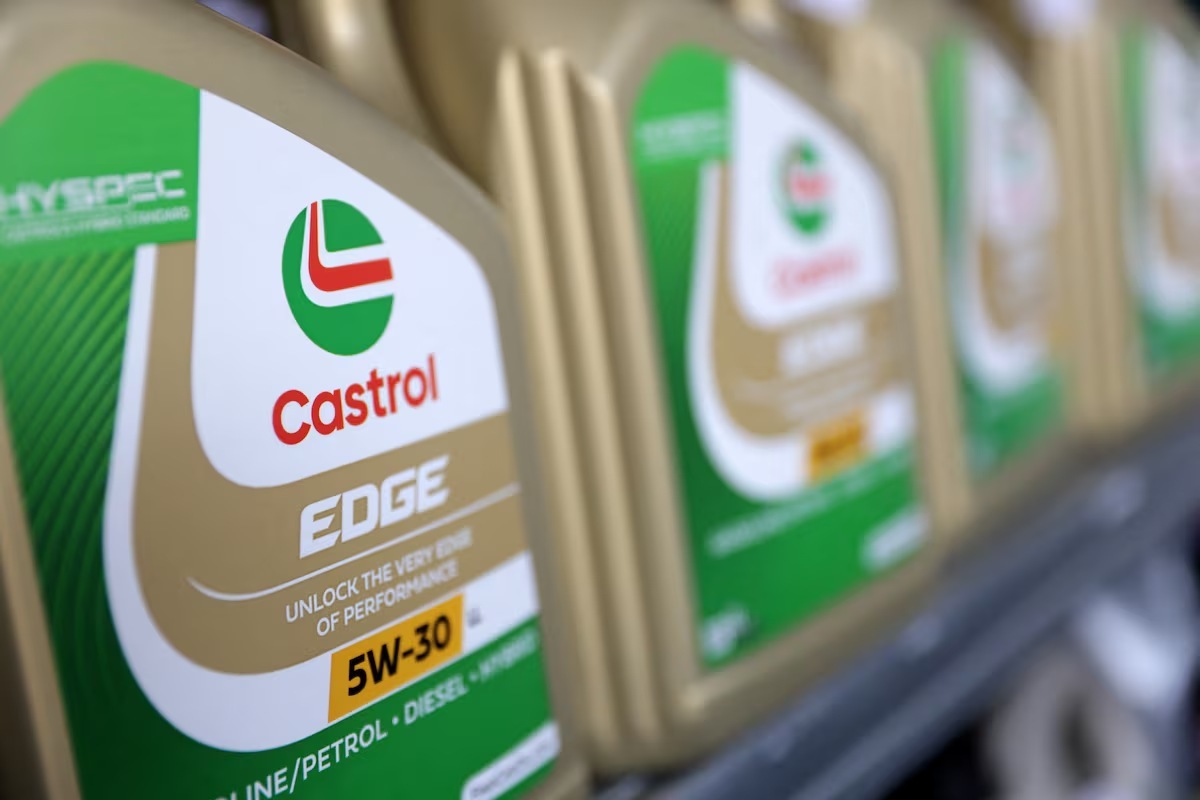
1. At a Glance – Lubrication With Attitude
Castrol India is that rare Indian largecap which behaves like a fixed deposit… on Red Bull. ₹18,285 Cr market cap, ROCE north of 60%, ROE of 46%, almost zero debt, and dividend yield of 4.6% — basically a CA’s wet dream with a racing stripe on it.
But wait, the stock price? Flat. Five-year return barely 7% CAGR. So the obvious question: If everything is so sexy, why isn’t the stock moving like a Ferrari?
Latest FY25 numbers:
- Revenue: ₹5,722 Cr
- PAT: ₹950 Cr
- EPS: ₹9.60
- Operating Margin: ~24%
- Debt: ₹63 Cr (basically pocket change)
Q4 FY25 showed revenue growth but profit dipped QoQ. Market shrugged. Investors yawned. Dividend hunters smiled. Growth investors kept scrolling.
So… is Castrol India a boring cash cow or a misunderstood compounder stuck in neutral gear?
Let’s open the bonnet.
2. Introduction – Old Brand, New Confusion
Castrol India is like that senior manager in the office who delivers every quarter, never creates drama, but somehow never gets promoted to CEO.
Founded decades ago, owned 51% by Castrol UK (now indirectly under BP → Stonepeak drama), Castrol India dominates Indian lubricants like Virat Kohli dominates cover drives. Yet, the stock behaves like a test match draw.
Why?
Because:
- Lubricants are not a “story” sector
- EV fear keeps haunting ICE-linked businesses
- Growth is steady, not explosive
- Parent company keeps taking royalties (3.5% of turnover)
And yet…
- Cash flows are insane
- Capital efficiency is absurd
- Distribution moat is deep
- Brand recall is god-tier
So Castrol India sits in that awkward zone: too boring for momentum chasers, too expensive for deep value guys, and too slow for growth junkies.
Let’s see what they actually do.
3. Business Model – WTF Do They Even Do?
In simple words: They sell oil. But very premium oil.
Castrol India manufactures and markets automotive and industrial lubricants across:
- Cars
- Motorcycles
- Commercial vehicles
- Industrial machinery
- Marine
- Energy
- Data centres & IT cooling
- EV fluids (yes, even EVs need fluids)