1. At a Glance
TCI Express is what happens when a boring, asset-light, time-definite logistics business meets a very impatient stock market.
At a market cap of ₹2,068 Cr, this company moves parcels across 60,000+ locations, yet its own share price has gone absolutely nowhere for years. The stock trades at ₹537, down ~30% YoY, while continuing to throw dividends like a guilt-ridden relative at weddings.
Q3 FY26 numbers are out, and they’re… fine. Not explosive. Not disastrous. Revenue came in at ₹314 Cr, up ~6% YoY, PAT at ₹22.9 Cr, up ~10.6% YoY, and EPS at ₹5.96. Margins? Slightly thinner. Balance sheet? Clean. Debt? Practically nonexistent.
So why is the stock sulking like it lost its favourite delivery route?
Because TCI Express is stuck in the worst place possible for a listed company:
Operationally disciplined, financially boring, and growth-wise… slow.
Is this a logistics compounder quietly building automation muscle, or just a very efficient treadmill?
Let’s unpack.
2. Introduction – The Curious Case of the Disciplined Underperformer
TCI Express is not a startup pretending to be logistics.
It’s not burning cash like a Silicon Valley cosplay.
It’s not chasing vanity GMV or subsidised deliveries.
Instead, it’s the uncool B2B cousin of logistics—serving SMEs, corporates, pharma players, auto OEMs, and anyone who actually pays on time.
And yet…
- 5-year sales growth: ~3% CAGR
- 3-year profit growth: negative
- Stock returns (3 years): –28%
That’s not a typo. That’s a company doing everything “right” and still getting punished.
The reason is simple:
The market doesn’t hate TCI Express.
The market is just bored of it.
In an era where Delhivery talks AI, Blue Dart flexes DHL muscle, and Shadowfax shouts growth, TCI Express calmly says:
“Hum time-definite B2B karte hain.”
Respectable. Profitable. Not sexy.
But is boredom always bad? Or is this where long-term discipline quietly compounds while attention seekers burn cash?
3. Business Model – WTF Do They Even Do?
At its core, TCI Express is a B2B express cargo company.
Not e-commerce junk.
Not hyperlocal food runs.
Actual freight. Actual invoices. Actual payments.
What they do:
- Surface Express: Containerised pan-India road freight
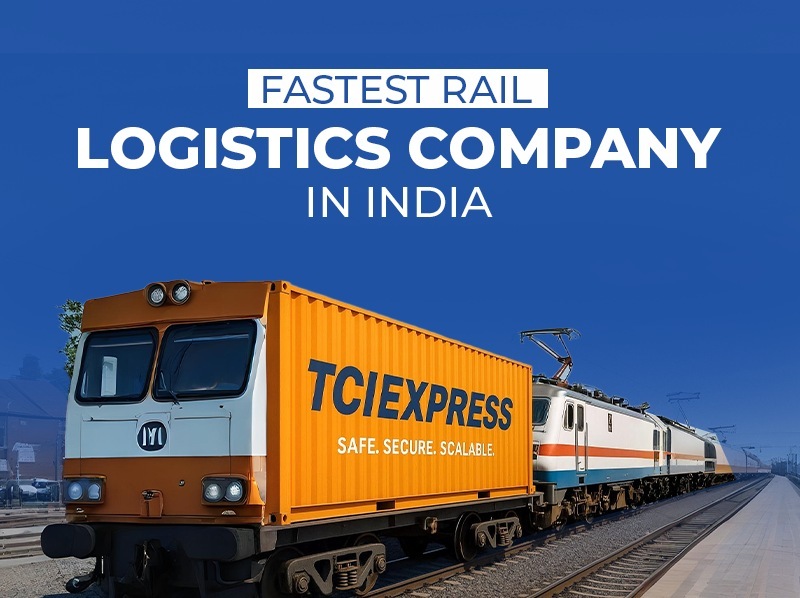
- Rail Express: Cost-efficient long-haul cargo
- Air Express: Time-critical shipments
- Pharma Cold Chain: Temperature-controlled logistics
- E-commerce Express: Selective, customised solutions
- C2C Express: Consumer-to-consumer parcels (rare Indian experiment)
How they do it: