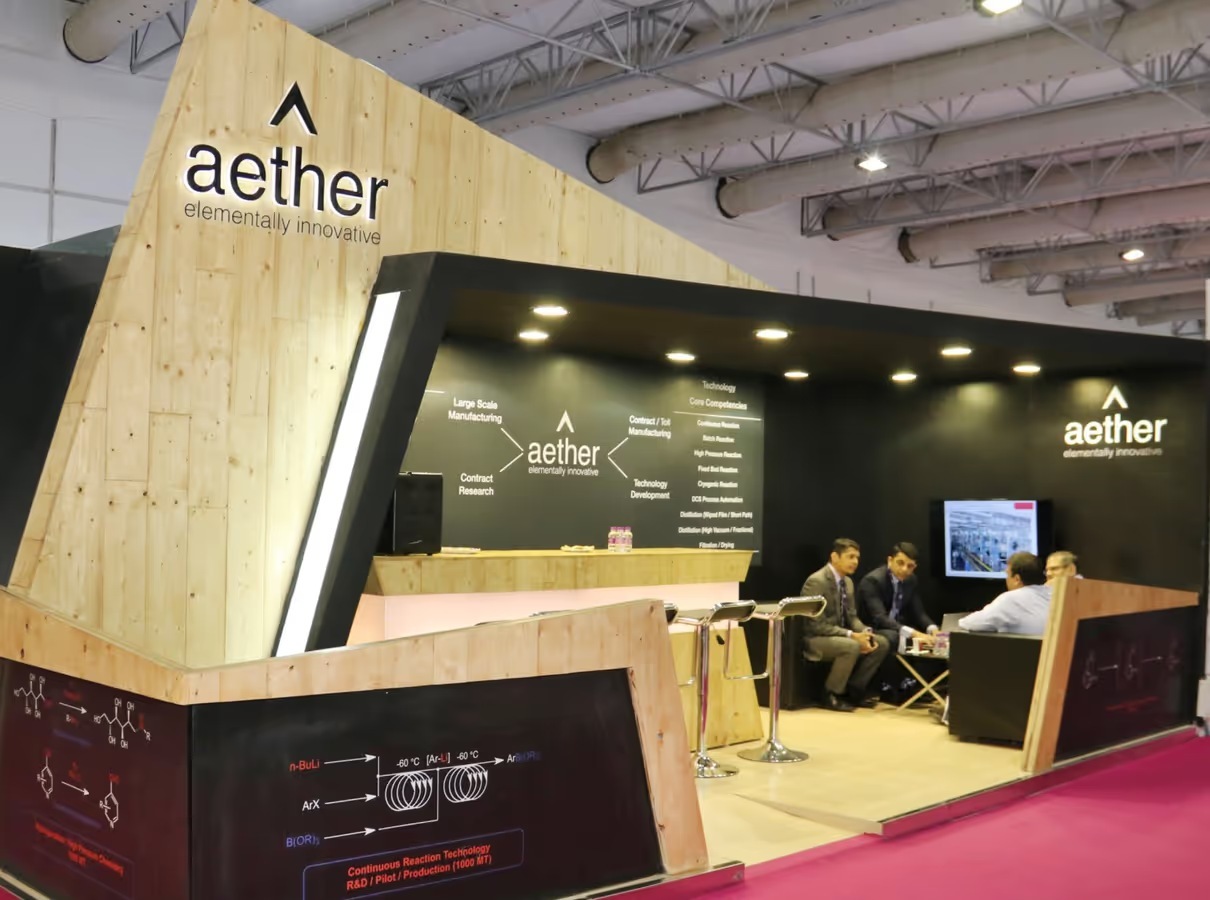
1. At a Glance – Fire, Solar, CRAMS & a Very Expensive Molecule Party
₹13,300+ crore market cap. Stock flirting around ₹1,005. Quarterly revenue at ₹317 crore with 44% YoY growth, PAT up 46% YoY, and operating margins back to a juicy 35%. On paper, this looks like a specialty chemical dream—except the stock trades at ~59× earnings, ROCE is just ~10%, and ROE barely clears 8%.
This is a company that spends 15%+ of revenue on R&D, employs 276 scientists, exports to 21 countries, survived a factory fire, paid penalties, compensated families, restarted at 75% capacity, and then casually announced solar power plants, lithium battery additives, oil & gas contracts, and sustainable polymer tech.
Sounds like a chemistry PhD with a startup mindset and a premium valuation problem. Is this future-ready innovation—or are investors paying tomorrow’s price for today’s recovery? Let’s open the lab notebook.
2. Introduction – From Firefighting to Formula Building
Aether Industries is not your boring commodity chemical uncle. Incorporated in 2013, listed in 2022, and already behaving like a global niche supplier, Aether plays in advanced intermediates, contract manufacturing, and CRAMS—the holy trinity of “we don’t disclose products because NDAs.”
FY24 and early FY25 were messy. A fire accident at Manufacturing Facility 2 led to shutdowns, environmental penalties, exceptional costs, and inventory losses of ~₹14 crore. Margins collapsed temporarily, PAT went negative in one quarter, and analysts panicked.
Fast forward to Q3 FY26:
- Facility 2 is back
- Capacity utilisation improving
- New sites coming up
- Margins normalized
- Customers still around
Classic specialty chemical story arc: one accident, two bad quarters, three concalls, and suddenly everyone forgets the trauma.
But here’s the twist—Aether is no longer just a pharma intermediate supplier. It’s now flirting with oil & gas, battery electrolytes, sustainable plastics, and green energy. That’s exciting. Also dangerous. Because diversification can either multiply profits… or dilute focus.
So the big question: is Aether becoming a platform company—or a chemistry buffet?
3. Business Model – WTF Do They Even Do?
Let’s simplify this for the smart-but-lazy investor.
Aether makes complex, high-value chemical molecules that:
- Few people can make
- Fewer people want to make
- And customers really don’t want to switch