1. At a Glance – Sweet on Paper, Bitter on Charts
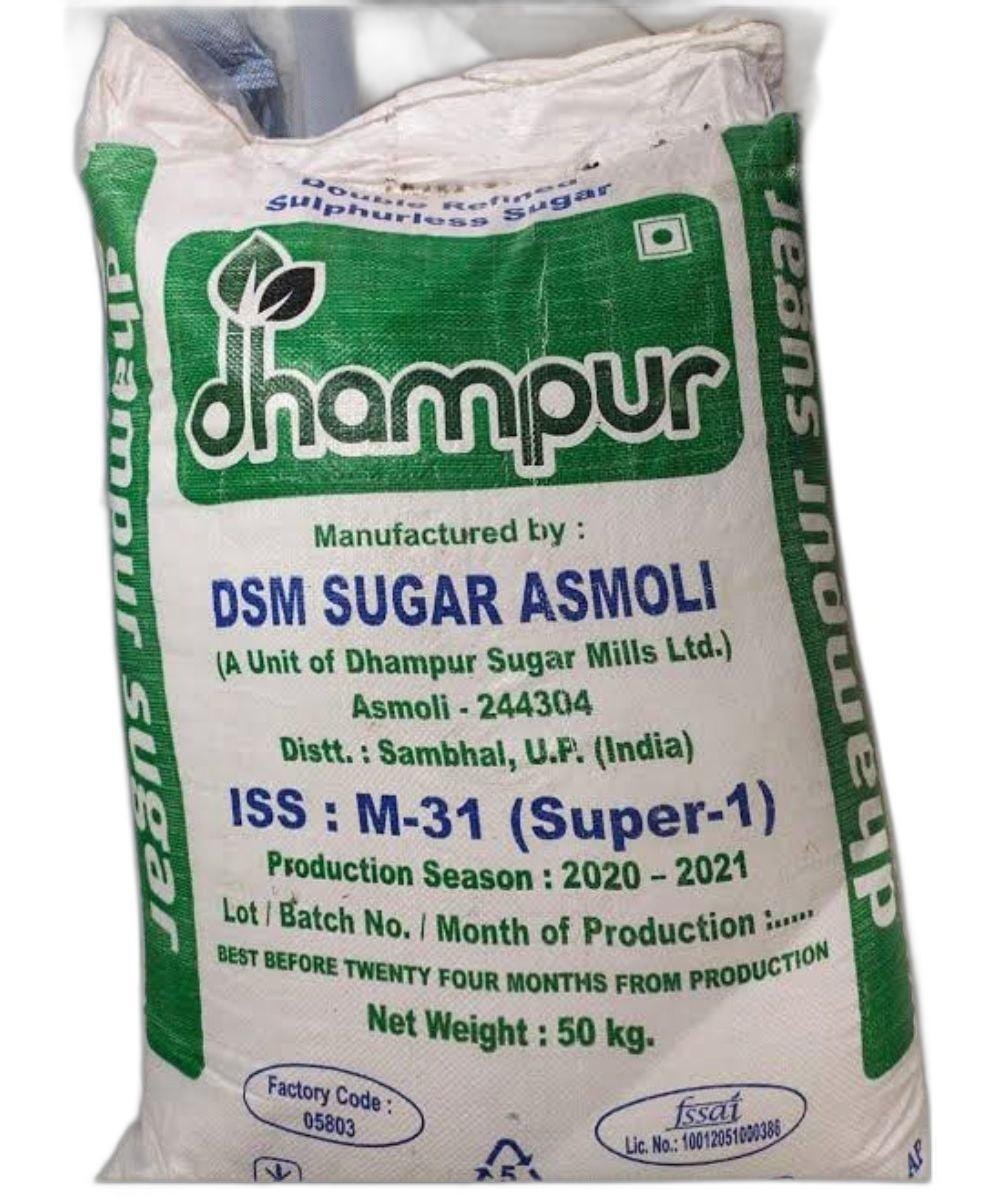
Dhampur Sugar Mills Ltd (DSML) is that old-school baniya ji who owns a sugar mill, distillery, power plant, chemical unit, and still gets ignored at the family function. Founded in 1933, this 90-year-old sugar veteran is currently sitting at a market cap of ₹744 crore, trading at ₹116, which is 0.66× book value. Yes, cheaper than some IPO issue prices of companies that haven’t even seen one sugar season.
In Q3 FY26, DSML reported ₹667.44 crore revenue and ₹26.54 crore PAT, with quarterly profit up 75% YoY. Sounds solid, right? Yet the stock is down ~23% over 1 year and ~18% over 3 years. Classic sugar sector behaviour: good numbers, bad mood.
The company operates across sugar, ethanol, power, chemicals, and potable spirits, making it one of the more diversified sugar plays. But returns remain anaemic: ROCE 5.86%, ROE 4.44%. That’s not “sweet compounding”, that’s diabetic returns.
So the big question:
👉 Is Dhampur a misunderstood ethanol story… or just another cyclical sugar headache wearing a diversification wig?
2. Introduction – The Sugar Industry’s Most Confused Overachiever
Dhampur Sugar is not a newbie riding the ethanol wave. It’s a fully integrated sugar complex that has been doing ethanol before ethanol became a Twitter buzzword. Cane crushing, molasses, ethanol, power from bagasse, chemicals, potable spirits – if it comes from sugarcane, Dhampur has probably tried monetising it.
And yet, despite all this integration, shareholders have suffered:
- 5-year stock CAGR: –5%
- 3-year profit CAGR: –30%
- Dividend payout: basically zero lately
This is the tragedy of Indian sugar companies. They do everything right operationally but are stuck between:
- Government pricing controls
- Cyclical cane availability
- Ethanol pricing caps
- And investor patience running out faster than molasses in peak season
Dhampur, to its credit, has reduced debt, diversified revenue streams, and added value-added products like ethyl acetate and spirits. But the market still asks: “Boss, where is the return?”
Before we judge, let’s understand what this company actually does.
3. Business Model – WTF Do They Even Do?
Think of Dhampur as a sugarcane-maximising machine.
Step 1: Crush Cane
Dhampur operates two integrated units in Uttar