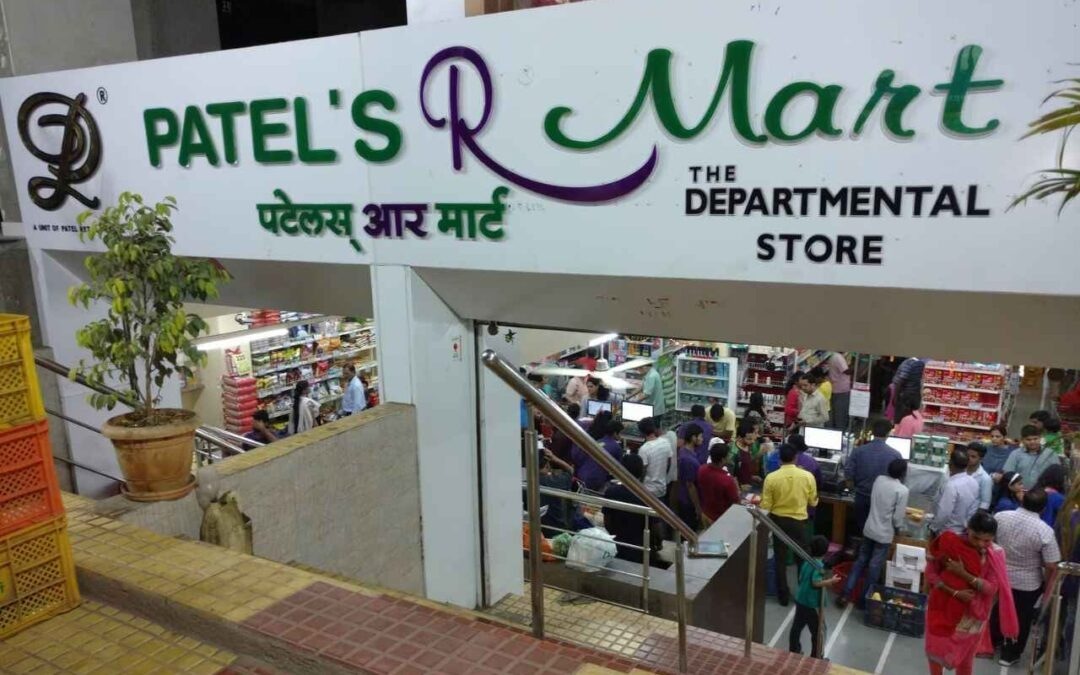
1. At a Glance – Patel Retail in One Breath (and a Smirk)
₹650 crore market cap. ₹196 stock price. 43 stores. 1.79 lakh sq. ft. retail space. Quarterly sales growth of 35.5% and quarterly profit growth of a jaw-dropping 95.8%. Meanwhile, the stock P/E is sitting at 17.9x in an industry where the median is flirting with 39x like it’s a Tinder date gone wild.
Patel Retail is not DMart. It doesn’t want to be DMart. It doesn’t even pretend to be DMart. This is a tier-III, suburb-loving, value-hunting, private-label-pushing retailer that also moonlights as a food processor, exporter, trader, and agro-warehouse owner. Basically, your kirana store on steroids, with a passport and a balance sheet.
ROE at 22.1%, ROCE at 17.3%, debt-to-equity down to 0.34, and zero promoter pledge. Sales over the last five years grew at a lazy 5.27% CAGR, but profits sprinted at 40.1% CAGR like they stole something. That divergence tells you everything: this is a margin story disguised as a slow top-line story.
The question is simple but dangerous: is this a hidden compounder quietly stacking cash, or just a well-dressed grocery shop riding one good quarter?
Let’s open the ledger.
2. Introduction – The Retailer That Refused to Be Fancy
Patel Retail Ltd was incorporated in 2008, back when modern retail in India was either burning cash in metros or still arguing with kirana uncles over shelf space. Patel Retail chose a third path: go where the malls don’t go.
Tier-III towns. Suburban clusters. Residential catchments where customers don’t want ambience; they want value, bulk discounts, and walking distance. Thus was born Patel’s R Mart—not a lifestyle destination, but a survival kit.
But here’s where the story twists. Patel Retail didn’t stop at selling goods. It started processing them. Pulses, spices, peanuts, fruit pulp. Then came private labels. Then exports. Then trading. Then agro-warehouses and cold storage.
So today, Patel Retail is not just a retailer. It’s a hybrid beast:
- Retail shelves in Maharashtra
- Processing plants in Gujarat
- Export invoices from 35+ countries
- And a mobile app delivering groceries like it’s pretending to be Blinkit, but without VC money panic attacks
This