1. At a Glance – Small Ship, Big Valuation Waves
Garware Marine Industries Ltd (GMIL) is a ₹15.5 Cr market-cap microcap trading at ₹26.9, down 22% in 3 months and 20% in 1 year, yet proudly wearing a 48× P/E like it’s a luxury watch.
Latest Q2 FY26 (Sep 2025) numbers show ₹0.26 Cr revenue, ₹0.09 Cr PAT, and an eye-catching OPM of ~35%. Sounds spicy? Wait. ROCE is 3.03%, ROE 2.96%, and debt is zero (good), but debtors are 1,527 days (that’s four years of “bhai paisa next month”).
Book value is ₹28.6, so the stock trades at ~0.94× P/B, which looks cheap until you notice the business scale is microscopic. GMIL is profitable now, but the engine is idling, not revving. Curious already?
2. Introduction – 50-Year-Old Company, Still Warming Up
Incorporated in 1975, GMIL operates a Ship Repair Division—a business that should thrive when vessels age, regulations tighten, and offshore activity rises. On paper, that’s a solid backdrop. In reality, GMIL has spent decades oscillating between losses and tiny profits, with negative reserves in the past and long stretches of weak sales growth.
FY25 did show a sharp YoY revenue jump (~82%), but the absolute base is so small that even a single additional repair contract can move the growth needle wildly. This is not a volume story; it’s a single-digit crore survival story.
Now add the twist: GMIL issued a ₹10 Cr corporate guarantee to its promoter-linked key customer Global Offshore Services Ltd (GOSL) for a ₹40 Cr loan, earning 0.5% p.a. commission. Translation: GMIL is tiny, but it’s backing a much larger ship. Brave… or risky? Let’s dig.
3. Business Model – WTF Do They Even Do?
GMIL repairs ships. Period.
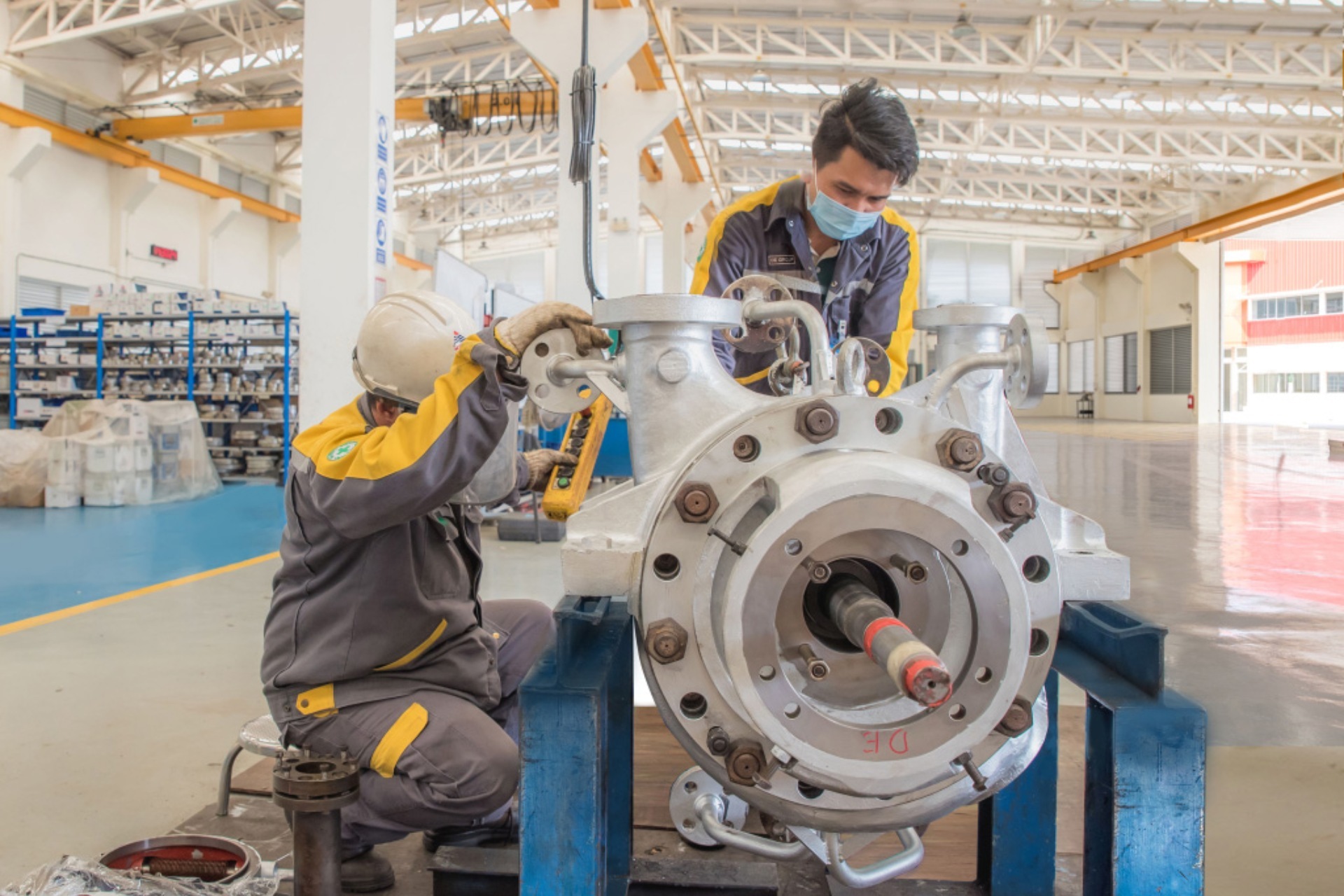
No shipbuilding, no fancy offshore EPC, no global yards. It provides specialised marine repair services, often for a few shipowners and on behalf of other workshops.
Services include:
- Pump overhauls
- Hydraulic repairs
- Engine overhaul repairs
- Gear box repair
- Marine fabrication
This is