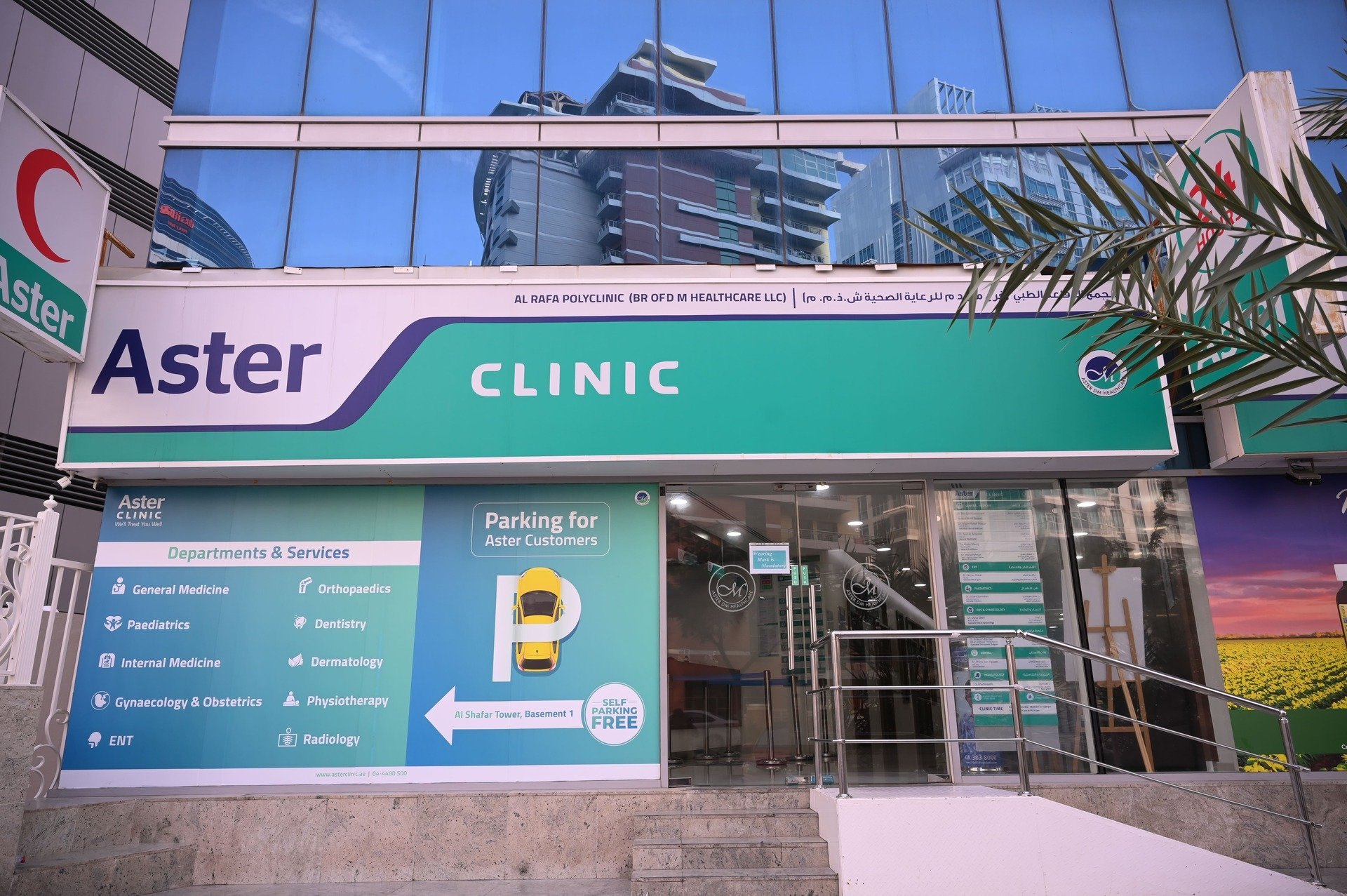
1. At a Glance – The Hospital That Sold the Middle East and Bought a Mirror
Aster DM Healthcare today looks like that rich cousin who sold ancestral land, paid off loans, threw a massive wedding (read: dividend), and is now figuring out what to do with life.
Market cap sits at ₹28,608 Cr, stock price at ₹552, down ~18.6% in 3 months, while Q3 FY26 revenue clocked ₹1,186 Cr with PAT of ₹59 Cr, down 9.7% QoQ. ROCE is a sleepy 10.7%, ROE an even sleepier 8.26%, and P/E? A spicy ~79x, because hospitals apparently deserve SaaS-style valuations now.
But don’t laugh yet. This is a company that:
- Sold its GCC business for ₹7,767.7 Cr
- Booked ₹5,148 Cr one-time gain
- Paid ₹6,174 Cr dividend
- Still had ₹1,380 Cr cash left as of March 2025
And now plans to merge with Quality Care to become India’s Top-3 hospital chain by beds.
Is this a disciplined healthcare compounder or a corporate soap opera with excellent doctors? Let’s operate.
2. Introduction – From Gulf Sheikh to Desi ICU Boss
For years, Aster DM Healthcare was a confused multinational. Half its heart beat in GCC hospitals, the other half in Indian ICUs. Investors never knew whether to value it like a Middle East cash cow or an Indian capex-heavy hospital chain.
Then came November 2023.
Aster said: “Enough oil money. Let’s go full desi.”
The GCC business was sold. Cash came in. Shareholders got drunk on dividends. Balance sheet detox happened. And suddenly, Aster became a pure-play India hospital story.
But management didn’t stop there. Instead of quietly compounding, they decided to swing big — merging with Blackstone-backed Quality Care India, bringing CARE Hospitals, KIMSHEALTH, and Evercare under one roof.
Question for you:
👉 Is this strategic clarity… or mid-life crisis with investment bankers involved?
3. Business Model – WTF Do They Even Do? (Now Version)
Post-GCC exit and post-merger (pro-forma), Aster DM is a multi-city, multi-specialty hospital operator.
How money flows:
- In-patient revenue (beds, surgeries, procedures)
- Out-patient revenue (consultations, diagnostics)
- Pharmacy + anaesthesia (high-margin, boring, beautiful)
- Specialty dominance instead of dependency
No single specialty contributes more than 15% of revenue:
- Cardiac Sciences – 14%
- Oncology – 11%