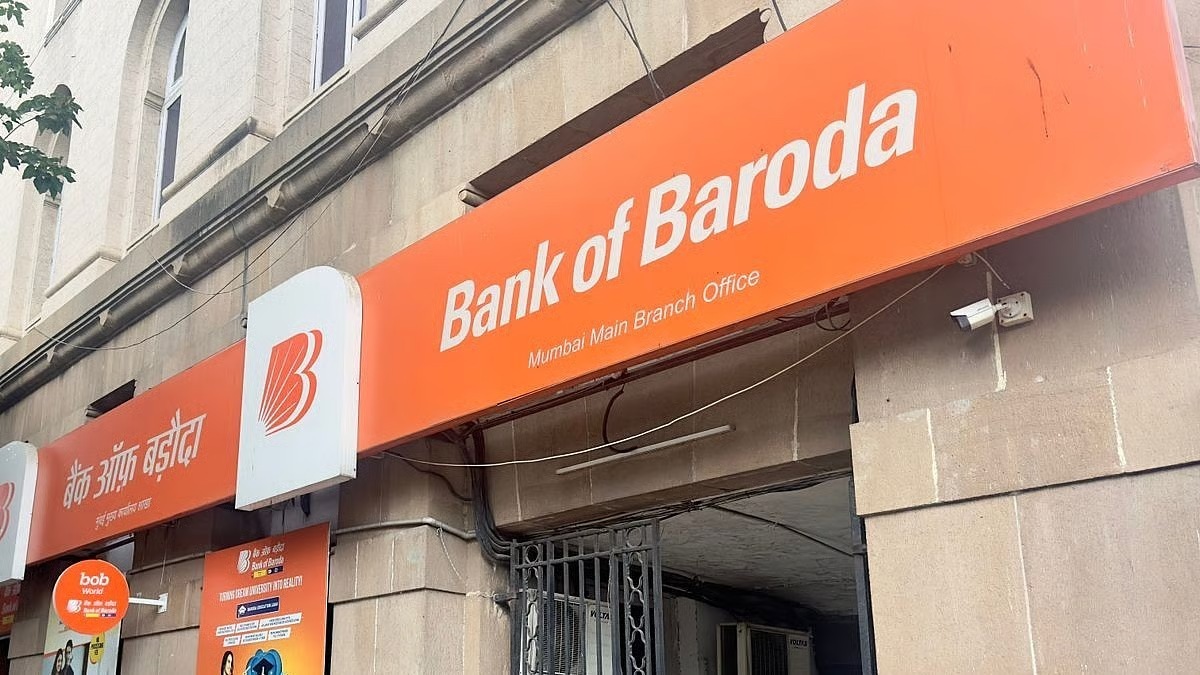
1. At a Glance – The Baroda Bully Is Back
Bank of Baroda currently sits with a market cap of ₹1,54,805 crore, trading around ₹299, having delivered ~7.5% return in 3 months and ~27% in 6 months. For a PSU bank, that’s not retirement-fund behaviour, that’s gym-bro energy. The stock trades at ~0.97x book and ~7.95x earnings, which in PSU land is basically “on discount but not suspicious”.
Operationally, Q3 FY26 showed ₹5,443 crore consolidated PAT, up ~4.4% YoY, with GNPA down to 2.04% and NNPA at 0.57%. Net Interest Margin hovered around ~2.9–3.0%, ROE around 15–16%, and ROA close to 1.1%.
Translation: asset quality is behaving, profits are steady, and the bank is no longer making auditors cry. Question is – is this just a good phase, or has Baroda finally found emotional stability after years of NPA trauma?
2. Introduction – From PSU PTSD to PSU PRIDE
There was a time when mentioning PSU banks in a portfolio felt like admitting you still use Internet Explorer. Bad loans, government interference, recapitalisation begging bowls – the full soap opera. Bank of Baroda was right in that mess.
Fast forward to FY26, and the story is… different. GNPA collapsing from 6.6% in FY22 to ~2%, PCR north of 93%, international operations contributing meaningfully, and digital transactions crossing 95%. This is not a turnaround quarter; this is a multi-year behavioural change.
But don’t get emotional yet. PSU banks never change overnight. They evolve… slowly… under RBI supervision… with occasional fines. So let’s dissect whether this is a durable compounder or just a well-dressed PSU on a good hair day.
3. Business Model – WTF Do They Even Do?
At its core, Bank of Baroda does what all large banks do: borrow cheap, lend slightly expensive, and pray NPAs behave.
Its business is split across:
- Retail banking – home loans, auto, personal, gold, education
- Wholesale & corporate banking – infra, NBFCs, corporates
- Agriculture & MSME – priority sector with government seasoning
- Treasury – bonds, G-secs, trading gains
- International banking – 17 countries, 91 overseas offices
The key evolution is mix shift. Treasury dependence has reduced, retail + RAM (Retail,