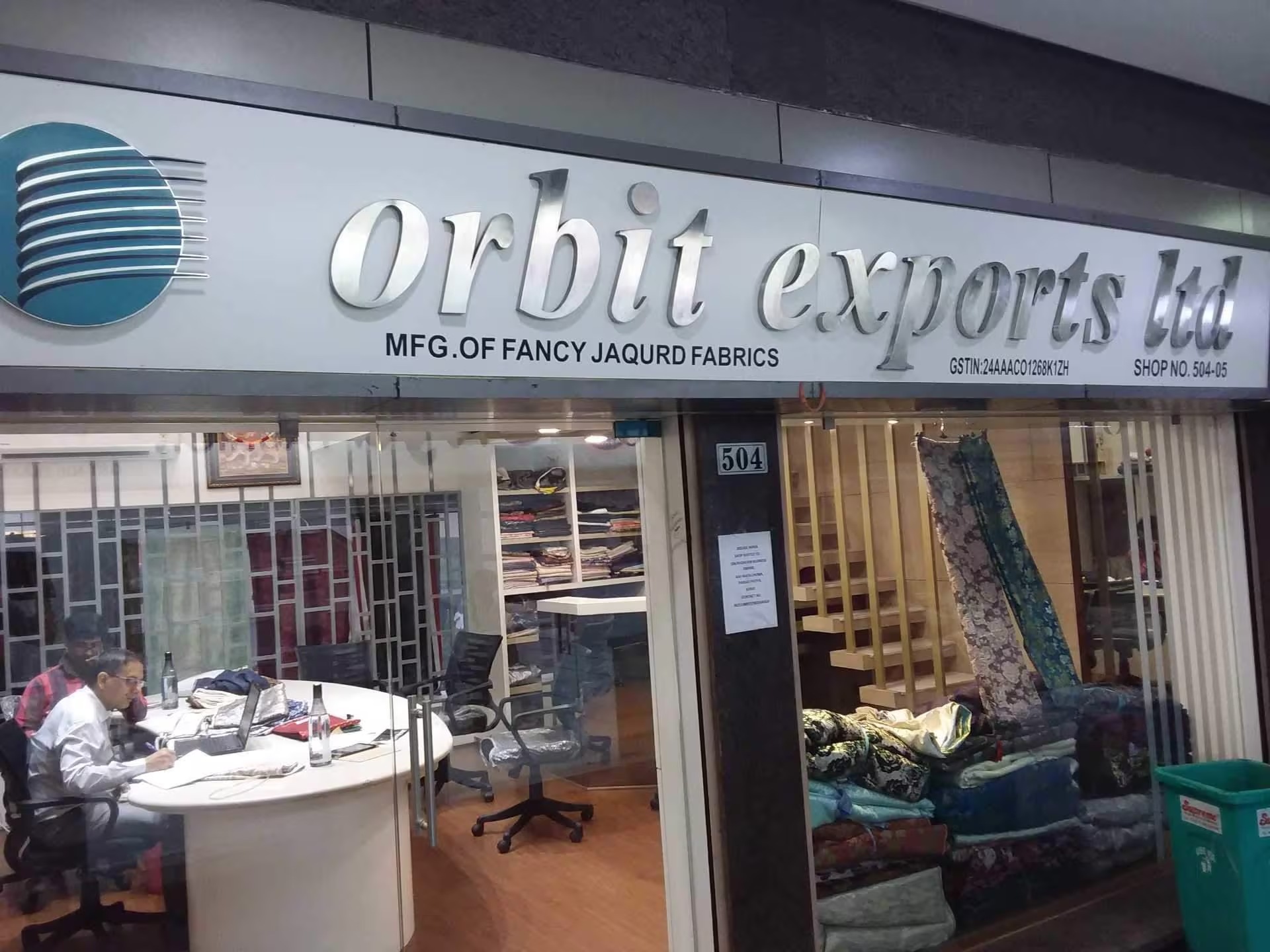
1. At a Glance – The Fabric That Refuses to Tear
Orbit Exports Ltd is that one textile company which quietly sits in the corner, doesn’t scream capacity expansion every quarter, doesn’t chase influencer-led brands, yet keeps churning out ₹232 crore in trailing revenue with operating margins north of 23%. At a market cap of ~₹460 crore and a stock P/E of ~12, Orbit trades like a boring uncle in a family wedding—until you notice it exports 64% of its production globally, runs niche high-margin products like Christmas ribbons and occasion fabrics, and generates interest coverage of 37x while being almost debt-free.
The stock is down ~20% in the last 3 months, which tells you Mr. Market is currently unimpressed. But operationally, Q3 FY26 delivered ₹56.36 crore revenue and ₹6.56 crore PAT, with margins still holding strong despite some lumpiness. The company is in the middle of a ₹30 crore capacity expansion to boost processing capacity by 50%, which means this is not a sleepy textile mill pretending to grow—it’s actually spending money where its mouth is.
Question for you already:
Is this a cyclical textile exporter being ignored… or a structurally niche business that the market hasn’t priced properly yet?
2. Introduction – Not Your Usual Powerloom Story
Orbit Exports started life in 1983 as a weaving company. Four decades later, it’s no longer about plain vanilla fabrics. This is a value-added textile exporter playing in spaces most Indian textile firms either can’t or won’t touch—occasion-specific fabrics, festive décor, Christmas ribbons, bridal wear, and fancy jacquards.
Unlike mass exporters chasing volumes to Walmart-like buyers, Orbit manufactures batch-based, customer-specific products. That means:
- Lower scalability
- Higher margins
- More dependence on design capability and relationships
And yes, some sales are routed through group companies, which always makes auditors sit up straighter—but nothing alarming has exploded so far.
The company also dabbles in windmill power generation, which contributes marginally but helps with energy stability and ESG brownie points.
This is not a growth-at-any-cost story. This is a steady exporter with niche dominance, conservative balance sheet management, and now—finally—an expansion cycle underway.
But here’s the catch:
Textiles are cyclical, fashion trends change fast, and Christmas doesn’t come every quarter. So the question is whether Orbit can convert niche expertise into sustained growth, or whether it remains a well-run but permanently mid-sized exporter.
3. Business Model – WTF Do They Even Do?
Let’s simplify this without killing brain cells.
Orbit Exports makes fancy fabrics and finished textile products. Think:
- Christmas ribbons and décor fabrics (they are among India’s largest exporters here)
- Bridal and festive wear fabrics
- Home furnishings
- Niche men’s wear fabrics (recent expansion