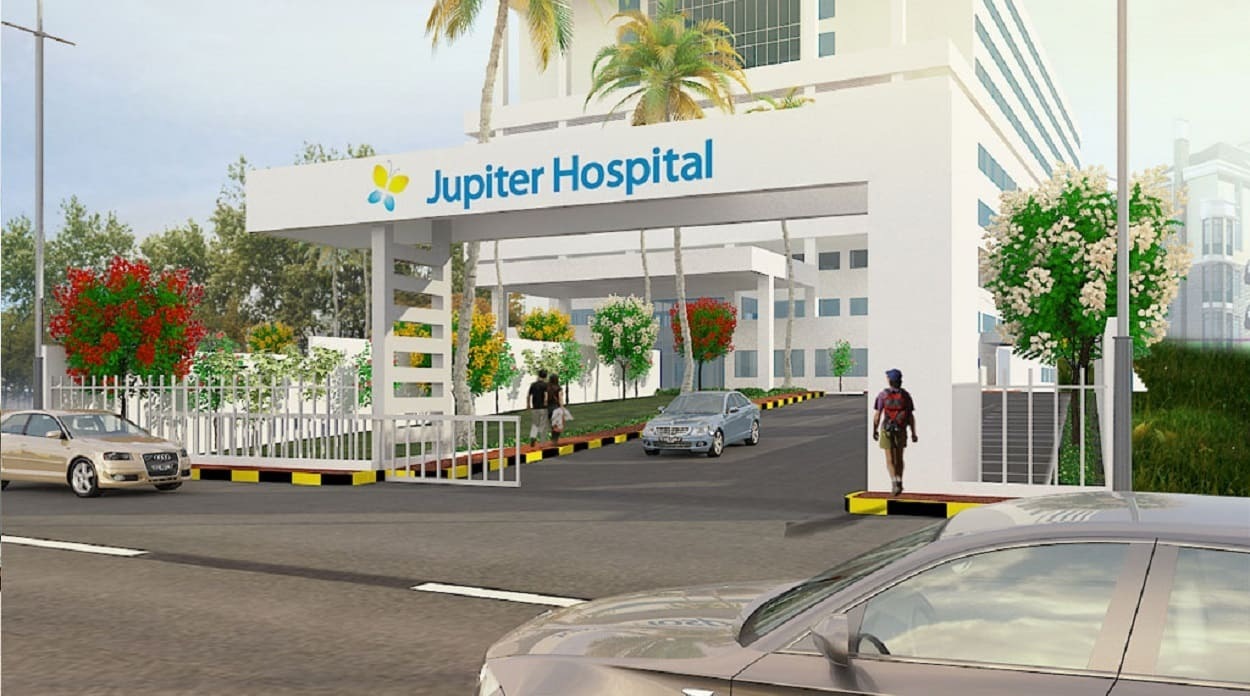
1. At a Glance – The ICU That Prints Cash (Mostly)
Jupiter Life Line Hospitals Ltd is what happens when a regional hospital chain decides it wants to sit at the same dinner table as Apollo and Max—without owning the entire country.
Market cap is hovering around ₹8,888 Cr, stock price ₹1,351, and the market is clearly confused: returns are -14.9% over 3 months, -14.7% over 1 year, yet valuations are still premium-ish at ~46x P/E. Why? Because hospitals are the only businesses where beds appreciate faster than land.
Latest quarter (Q3 FY26) revenue clocked ₹365 Cr, up 9.8% YoY, while PAT slipped -18.7% YoY to ₹42.5 Cr thanks to labour code shocks and expansion pain. ARPOB is a solid ₹67,300, occupancy ~60%, and EBITDA margins still chilling around 23%.
In short:
Not dying.
Not sprinting.
Just aggressively adding beds like a Mumbai landlord with cheap capital.
2. Introduction – From 3 Hospitals to “Doctor, We Need More Beds”
Jupiter Life Line Hospitals started in 2007 and has stayed loyal to one geography: MMR + Western India. No pan-India chest thumping, no “hub-and-spoke” jargon overdose—just three full-service hospitals acting like independent bosses.
Today, Jupiter runs hospitals in Thane, Pune, and Indore, with 1,275 doctors, ~1,061 operational beds, and a management team that clearly believes scale cures all diseases—financial and medical.
FY25–FY29 is basically the bed expansion Olympics:
- Dombivli: ready, launching Feb 2026
- Pune South (Bibwewadi): under construction
- Mira–Bhayandar: waiting for regulatory blessings
The goal? 2,500 beds.
The cost? ₹1,200+ Cr capex.
The risk? Occupancy lag + margin compression.
Question for you: Is Jupiter expanding because demand is exploding—or because hospitals hate sitting on idle balance sheets?
3. Business Model – WTF Do They Even Do?
Simple answer: They sell healthcare, one occupied bed at a time.
Jupiter operates tertiary and quaternary care hospitals, meaning:
- Complex surgeries
- High ARPOB procedures
- ICU-heavy revenue mix
- Insurance-driven billing (56%+)
Revenue mix Q1 FY26:
- IPD: 79.1% (the real money)
- OPD: 18.2%
- Pharmacy & others: irrelevant but necessary
Their “all-hub-no-spoke” model means every hospital is fully loaded—no feeder clinics, no loss-making spokes. That’s good for brand control, bad for capex intensity.
Explaining this to a lazy investor:
“Jupiter doesn’t want cheap clinics. It wants full hospitals where one surgery can pay