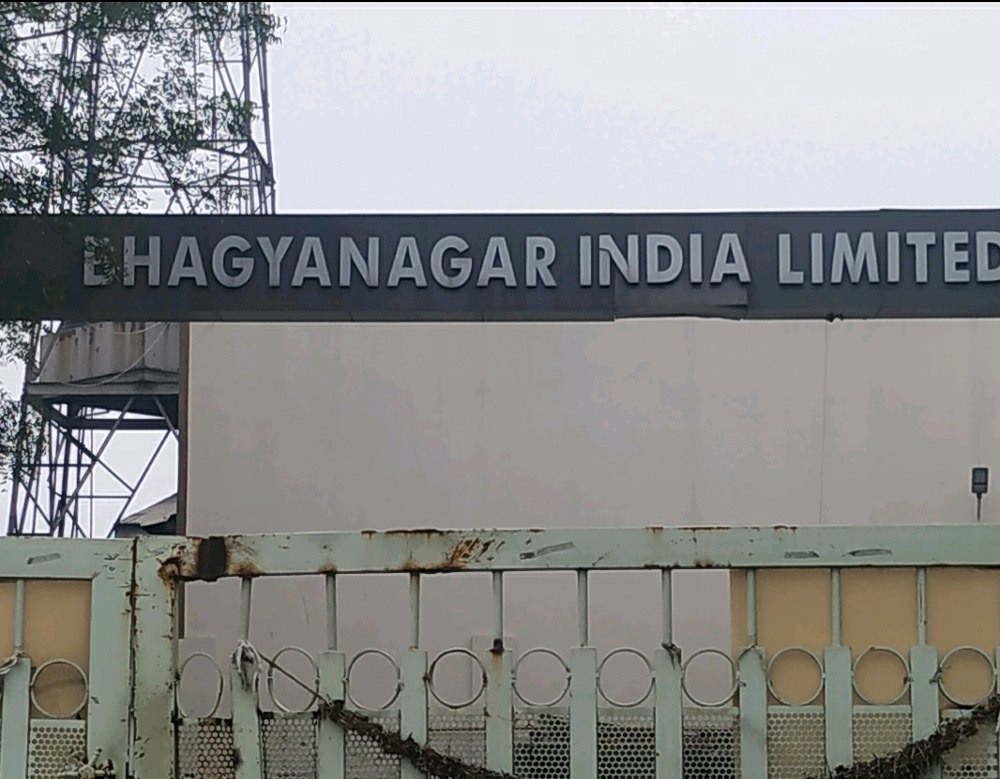
1. At a Glance – Copper King With Windmills and Mood Swings
Bhagyanagar India Ltd is one of those companies that looks very powerful on paper, flexes revenue numbers like a gym bro, but then politely refuses to generate high returns on equity. Market cap stands at ₹581 Cr, stock price ₹182, and the share has gone absolutely berserk with 124% return in one year and 108% in six months. Sales TTM are a chunky ₹2,097 Cr, PAT TTM ₹36.3 Cr, and quarterly profit growth has exploded by 222% YoY like someone suddenly remembered how margins work.
But pause. ROE is still just 5.7%, ROCE 8.28%, and Debt-to-Equity 1.63. So yes, the engine is roaring, but the mileage is… questionable. This is a copper-heavy, working-capital-intensive beast with thin margins and thick balance sheet muscles.
Latest quarter EPS came in at ₹4.01, OPM finally crossed 5%, and promoters still hold 65.12%, though they’ve quietly sold 5.44% in recent quarters. Suspicious? Maybe. Strategic? Possibly. Panic? Not yet.
So is this a turnaround copper story, or just a cyclical sugar rush? Let’s peel the copper foil.
2. Introduction – 40 Years Old, Still Reinventing Itself
Founded in 1985, Bhagyanagar India Ltd has survived license raj hangovers, copper price tantrums, power sector reforms, demonetisation, GST chaos, and now ESG pressure. That alone deserves respect.
At its core, Bhagyanagar is a copper products manufacturer, supplying to OEMs who don’t care about your brand story — they care about quality, delivery, and price. Over the years, management got bored with just copper and decided to flirt with telecom, solar products, real estate, wind power, and now utility-scale solar EPC and IPP.
The result? A company that looks boring at first glance, then confusing, and finally