1. At a Glance
Quick Heal is India’s OG antivirus brand that now seems to be fighting more viruses in its own P&L than on your desktop. Market cap? ₹1,010 crore. Current price? ₹186 — a 56% fall in one year. Five-year return: barely 4%. The company that once sat proudly on every PC now sits nervously on a stack of cash and hope.
Q3 FY26 brought a sigh of relief: ₹71.5 crore in revenue (+1.3% QoQ) and ₹6.6 crore in PAT (+5,909% QoQ). The EPS stood at ₹1.22, taking the annualised EPS (Q3 × 4) to ₹4.9 — which means a P/E ratio hovering near 38× annualised if the market forgets about its past sins. Debt? Zero. But so is the dividend.
Once a market darling with 30% share in Indian cybersecurity, Quick Heal’s stock now behaves like that antivirus pop-up everyone ignores.
2. Introduction
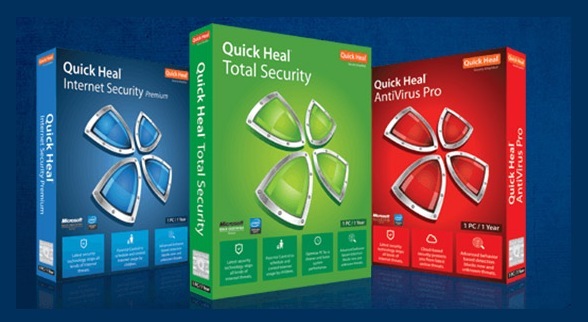
Quick Heal’s journey is the digital equivalent of a Bollywood hero who peaked in the 2000s and is now trying to reinvent himself on OTT. Founded in the dial-up era, the Pune-based company dominated India’s consumer antivirus market with the famous orange box. Then smartphones happened, cloud happened, and ransomware learned machine learning — but Quick Heal stuck with CD installs and reseller networks.
Fast-forward to FY26: it’s reinventing itself as a cybersecurity platform through its enterprise brand SEQRITE and AI-driven detection tools. The transformation, though, feels like watching Windows XP trying to run ChatGPT.
But credit where it’s due — the company has survived every storm, still has zero debt, ₹392 crore in reserves, and an R&D obsession that burns 46% of revenue. Now, it’s betting on Gen AI, Zero Trust, and government contracts to reclaim relevance.
3. Business Model – WTF Do They Even Do?
Quick Heal operates two main segments:
1. Consumer Segment (63%) – classic antivirus, internet security, total security — basically software that shouts “threat detected” every time you open a pirated movie.
2. Enterprise & Government (37%) – operates under SEQRITE, offering endpoint