1. At a Glance – Blink and You’ll Miss the Margin
Market cap ₹608 Cr, CMP ₹319, price-to-book flirting at ~4x, ROCE barely awake at ~5%, and EV/EBITDA screaming 62.5x like it missed its morning chai. Q3 FY26 (Dec’25) sales clocked ₹92.63 Cr, PAT ₹0.55 Cr, and EPS ₹0.29—a recovery quarter after a painful Jun–Sep FY26 stumble. Promoters still hold ~73.8%, debt sits around ₹48 Cr, dividend yield ~0.94% (a polite nod, not a party). The stock has rallied short-term, but the business is still negotiating peace with margins. Curious already? Good—because stainless is shiny, but numbers can cut.
2. Introduction – Stainless Steel, Rusty Consistency
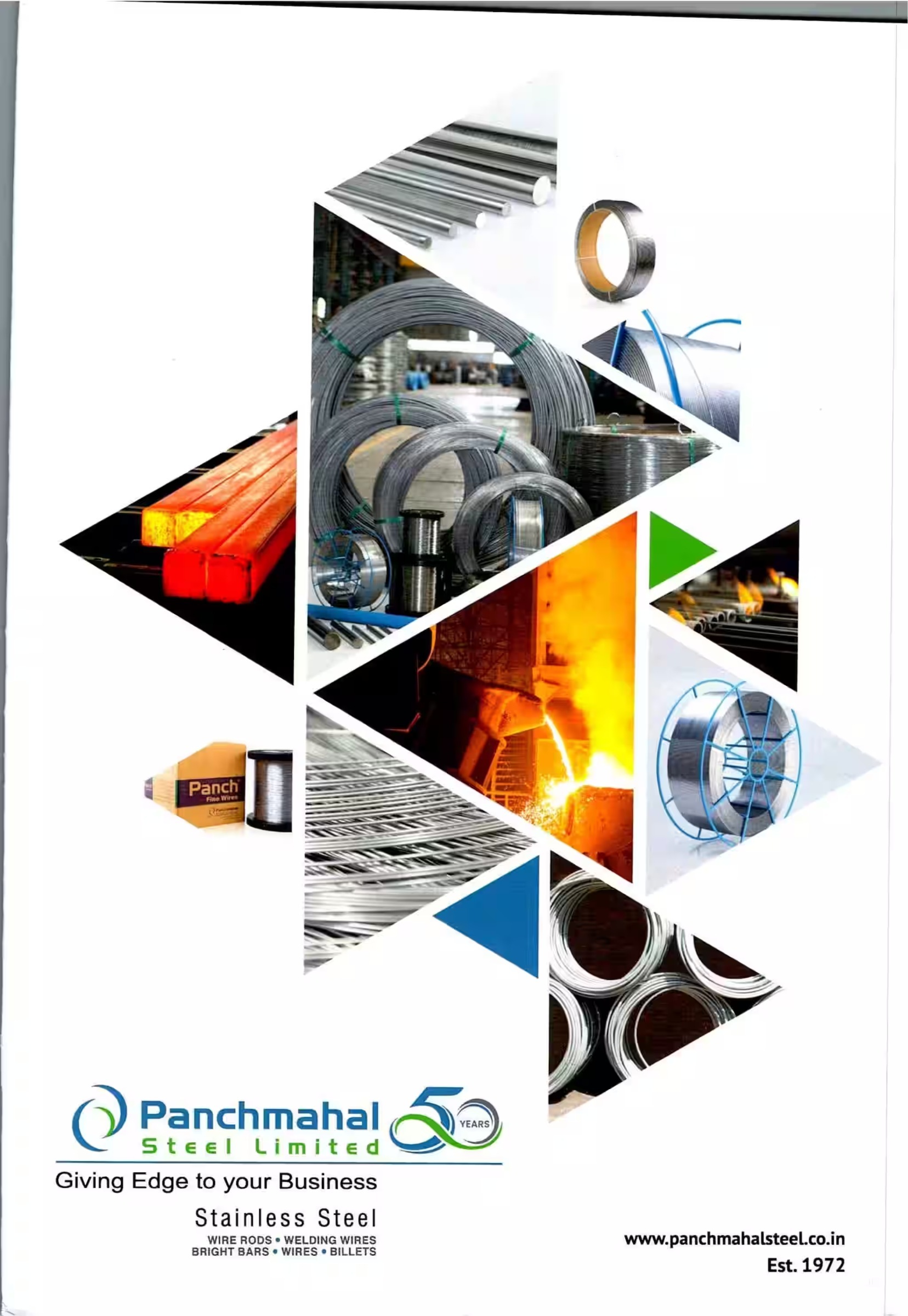
Founded in 1972, Panchmahal Steel is old-school stainless: bars, rods, wires—melt to finish under one roof in Gujarat. It sells to engineering, infra, auto, railways, consumer durables, pharma—the usual suspects. Exports ~20%, domestic ~80%.
The problem? Cycles. And not the fun Tour de France kind. Over the last few years, revenue has been flat-to-down, profits swing wildly, and margins play hide-and-seek. Q3 FY26 finally shows a pulse after losses in Jun’25 and Sep’25. But is this a turnaround or just a good quarter? Let’s dissect like auditors with a sense of humour.
3. Business Model – WTF Do They Even Do?
PSL melts stainless billets (1.5 lakh MTPA melting capacity) and converts them into 72,000 MTPA of long products—wire rods, bars, cold-finished wires, welding wires, fine wires. Grades span austenitic, martensitic, ferritic, duplex, and low-nickel 200 series (budget-friendly stainless).
Integration helps cost control—in theory. In practice, stainless spreads, power costs, demand swings, and working capital can ruin your day. PSL’s customers are price-sensitive, competition is brutal, and differentiation is thin. Translation: you live and die