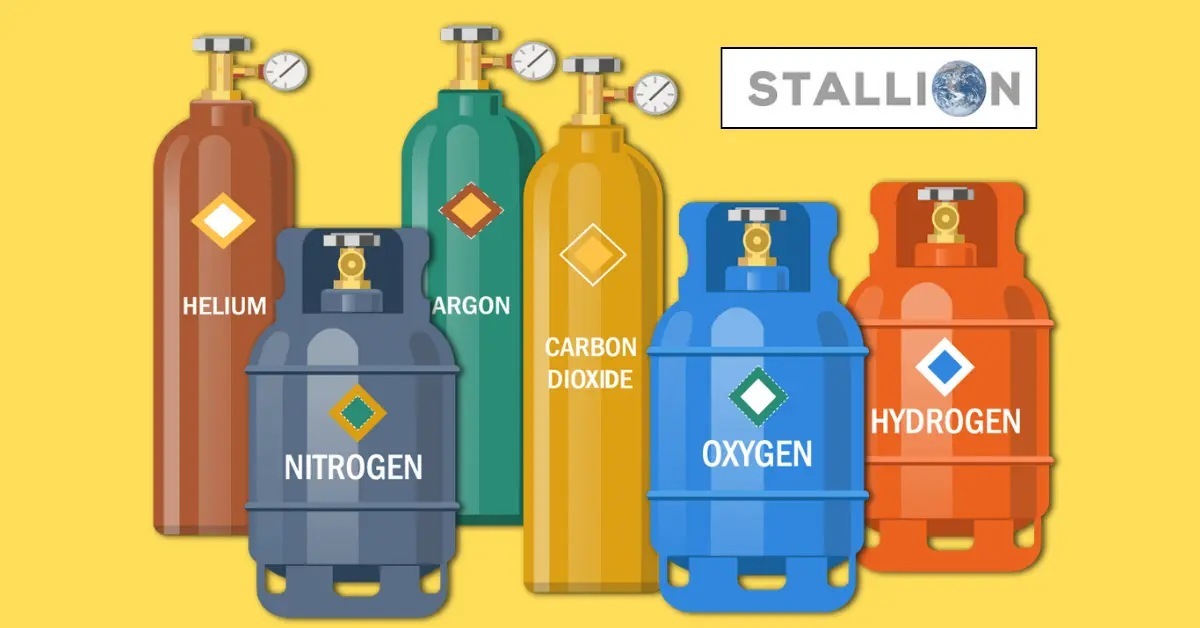
1. At a Glance – AC Thanda, Stock Garam, Working Capital Sweating Hard
Stallion India Fluorochemicals Ltd is that classic post-IPO smallcap story where the stock went from ₹59 to ₹424, then back to earth, and is now chilling at around ₹194 like an AC set at 24°C – not too hot, not too cold, but making a strange humming noise. Market cap sits at roughly ₹1,539 crore, trailing twelve-month sales are ₹472 crore, and PAT is ₹46.2 crore. On paper, it looks like a neat industrial gases story: ROCE ~19.7%, ROE ~15.2%, debt almost zero, and profit growth of 109% on a TTM basis.
But scratch the surface and you’ll notice the real masala: working capital days ballooned to 193, promoter holding dipped by ~3%, capacity utilisation at two plants is laughably low, and just when investors were enjoying the “debt-free” narrative, management casually dropped a ₹364 crore rights issue proposal on the table. Coincidence? ummmm maybe not !!!
So the big question before we even start: is Stallion a future refrigerant heavyweight quietly preparing for scale, or a working-capital monster with expansion dreams bigger than current cash flows?
Let’s break the cylinder seal and check what gas is really inside.
2. Introduction – From Gas Cylinders to Capital Raising Cylinders
Stallion India Fluorochemicals was incorporated in 2002, long before “green refrigerants” became LinkedIn buzzwords. The company operates in refrigerant gases and specialty industrial gases – not exactly sexy, but extremely necessary. If you’ve ever used an AC, fridge, fire extinguisher, or wondered how semiconductor fabs don’t explode, you’ve indirectly depended on gases like the ones Stallion sells.
The IPO in January 2025 raised ₹199 crore, listing the company into the smallcap spotlight. Since then, the financials have looked respectable: revenues scaling, margins stabilising around 13% OPM, and debt coming down sharply. For a gas distributor-cum-blender, that’s not bad at all.
But Stallion is not Linde India. It doesn’t own massive air separation units or long-term take-or-pay contracts with steel giants. Stallion’s model is more trading-plus-processing, heavily dependent on imported raw materials (hello China), customer concentration (top 10 = 89% of revenue), and working capital gymnastics.
And now, with ambitious capex plans for R-32 refrigerant manufacturing, helium recovery, and new plants in Rajasthan, the company is entering a very different league. That’s where execution risk walks in wearing safety shoes.
Before we judge, let’s understand what Stallion actually does.
3. Business Model – WTF Do They Even Do? (Gas Edition)
At its core, Stallion India Fluorochemicals is a refrigerant and specialty gas blending, processing, and distribution company.
Think of it as a chef, not a farmer.
They don’t produce most base chemicals from scratch. Instead, they import raw refrigerant gases (largely from China), blend them into usable formulations like R-410A