1. At a Glance – Straight From the Biryani Counter
LT Foods today is not your neighbourhood kirana rice trader. This is a ₹12,334 crore market cap global FMCG exporter selling basmati to Americans who can’t pronounce “Daawat” but still pay for it. Stock price sits around ₹355, down ~25% in six months (yes, Mr Market has mood swings), while sales crossed ₹10,267 crore (TTM) and PAT hit ₹650 crore. ROCE is a healthy ~19%, ROE ~17%, and debt-to-equity is 0.43, which is not scary but also not “debt-free yoga guru” level.
Latest quarter (Q3 FY26) delivered ₹2,809 crore revenue (+23.5% YoY) and ₹157 crore PAT (+9.8% YoY). Margins stayed steady at ~11%, meaning inflation, freight, and paddy prices didn’t completely nuke profitability. EPS for the quarter came at ₹4.53, taking TTM EPS to ₹18.7 and P/E to roughly 19x—almost bang on industry average.
So the big question:
Is LT Foods a global branded food compounder quietly cooking, or is it just expensive rice with inventory headaches? Let’s open the pressure cooker.
2. Introduction – 70 Years of Rice, Now Served With PowerPoint
LT Foods has been around longer than most FMCG CEOs’ careers. What started as a rice trading operation has morphed into a global branded food company, with a dominant position in basmati rice across India (30% share) and the US (55% share). That’s not a typo—every second basmati bag in the US likely says Royal.
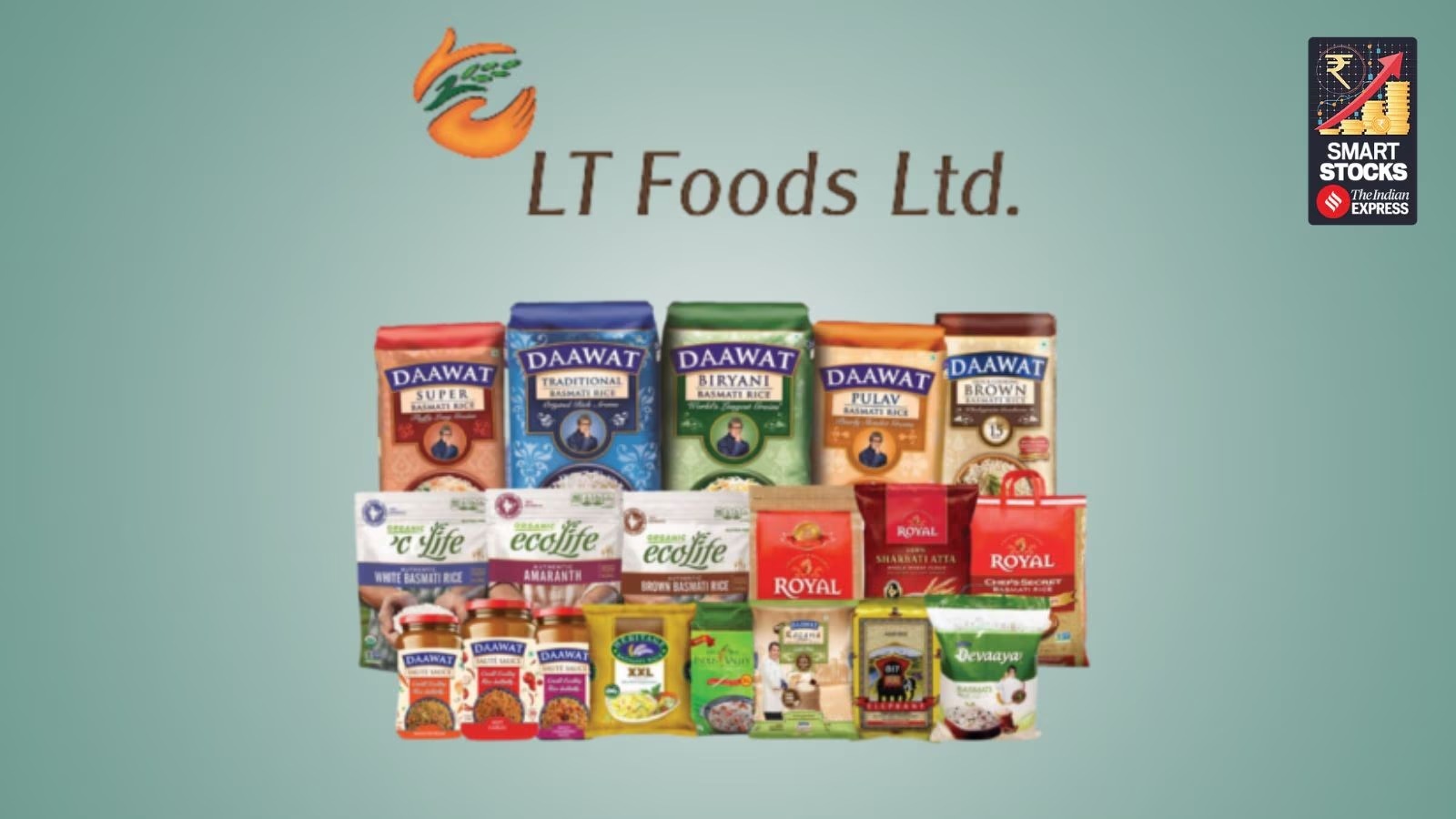
Unlike commodity rice exporters who live and die by paddy prices, LT Foods has spent years shouting one mantra: “Brand banaao, margin kamaao.” Daawat in India, Royal in the US, Golden Star in America, and now organic brands in Europe.
But here’s the twist: rice is still rice. It needs aging, inventory, working capital, and patience. Cash flow cycles are long, inventory days are ~286, and when paddy prices spike, balance sheets sweat.
Still, LT Foods has done something most agri exporters dream of—built brands abroad, expanded into Ready-to-Heat