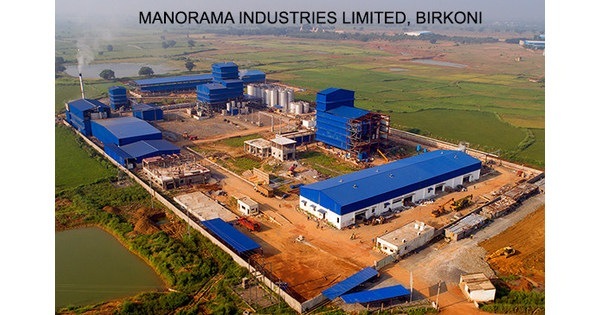
1. At a Glance – The Exotic Fat Factory That Just Went Beast Mode
Manorama Industries Ltd is that rare Indian smallcap which doesn’t shout, doesn’t advertise on hoardings, yet quietly exports fats that chocolatiers around the world melt over. As of the latest close, the company commands a market capitalisation of ₹7,622 crore at a price of ₹1,278, even after a mild 3-month sulk in the stock. And honestly, the numbers don’t look like they belong to a sulking company.
Q3 FY26 delivered ₹363 crore revenue, up 73% YoY, while quarterly PAT jumped a wild 131% YoY to ₹68.2 crore. Operating margins are sitting at a healthy 27%, ROCE at 23%, and ROE at a spicy 28%. This is not FMCG soap-selling; this is niche fat engineering with global customers.
Over the last 3 years, sales have compounded at 40%, profits at 67%, and the stock itself has delivered ~92% returns. The only thing not compounding is promoter pledge – because it’s zero.
So the real question: is this a rare structural compounding story, or just a chocolate-fuelled sugar rush?
2. Introduction – From Forest Seeds to Ferrero Rocher
Manorama Industries didn’t wake up one fine day and decide to make cocoa butter equivalents. This is a business born out of a very Indian jugaad philosophy – “Waste to Wealth.”
The company sources non-timber forest produce like Sal seeds and Mango kernels, stuff that usually rots on forest floors, and turns it into high-value specialty fats used in chocolates, confectionery, and cosmetics. Basically, they convert tribal forest leftovers into inputs for Ferrero Rocher. That supply chain contrast alone deserves a case study.
Over the years, Manorama has quietly become:
- India’s No.1 exporter of Sal & Mango based specialty fats
- The largest Sal fat manufacturer globally
And unlike most “global leaders” who export to Nepal and Bangladesh, Manorama sells to Europe, Japan, Russia, Latin America, and increasingly Africa and the Middle East.
Now with FY26 revenue guidance of ₹1,300+ crore and a planned ₹460 crore capex over the next 2–3 years, the company has clearly moved from