1. At a Glance – Blink and You’ll Miss the Business
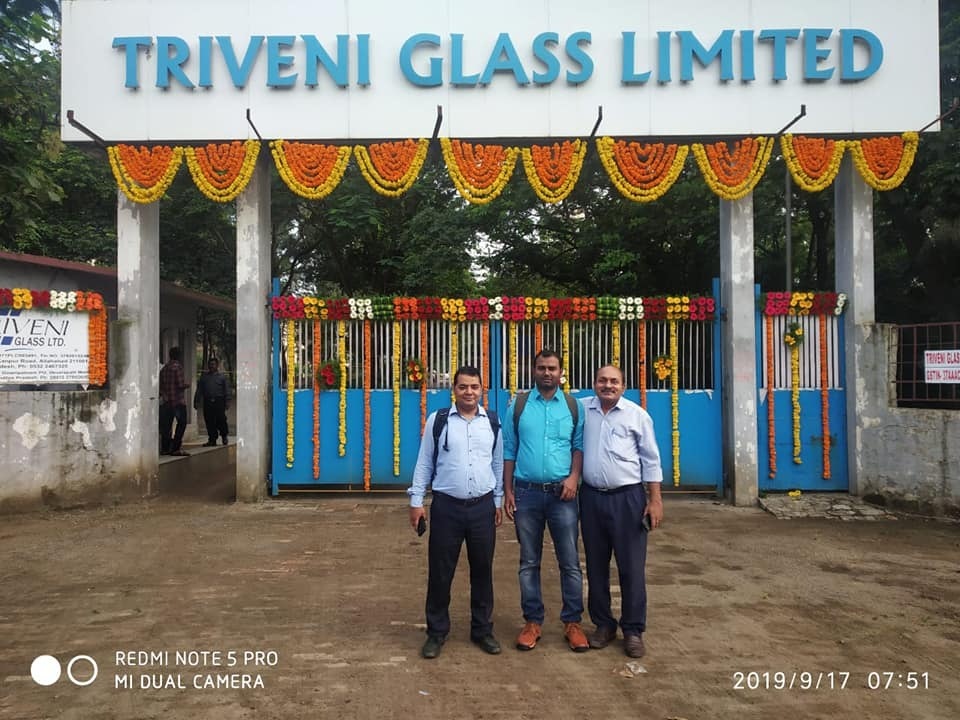
Once upon a time (1971, to be precise), Triveni Glass Ltd was a proper glass manufacturer. Float glass, sheet glass, mirrors, reflective glass – proper industrial vibes. Fast forward to today, and the company has zero operating revenue, negative net worth, ₹18.7 crore debt, and a market cap of ₹10.6 crore. Yes, debt is larger than market cap – already a red flag waving so hard it deserves its own IPL team.
Current price sits at ₹8.37, down ~52% in one year and ~37% in just three months. Sales? ₹0. Operating margin? Doesn’t exist. ROCE shows 1.51%, which is mathematically impressive considering there is no core business. PAT for the latest quarter is ₹-0.17 crore, and TTM PAT is ₹-0.62 crore.
This is not a glass company anymore. This is a balance-sheet survival experiment listed on BSE. The only thing transparent here is the problem. Curious already? You should be.
2. Introduction – From Molten Glass to Melting Balance Sheet
Triveni Glass was incorporated in 1971 and for decades did exactly what its name suggested – manufactured glass. Laminated safety glass, flat glass, mirrors, table tops – proper manufacturing DNA. Then came the great vanishing act.
By FY21, the company sold its Rajahmundry unit and closed its Allahabad unit. Result? No plant. No production. No sales. No business model. Yet, the company stayed listed, stayed alive, and decided to reinvent itself – not as a glass company, but as… wait for it… a real estate refurbisher.
The new plan: repair, refurbish, and sell 72 residential flats. That’s it. No developer scale. No land bank disclosed. Just “72 flats” standing between insolvency and hope. Since then, revenue from operations has remained zero, and the P&L survives purely on other income, mostly interest and random non-operating income.
This is not a turnaround story yet. This is a company in limbo, surviving quarter to quarter. So the real question is: is this a hidden asset play or just a listed shell gasping for air?
3. Business Model