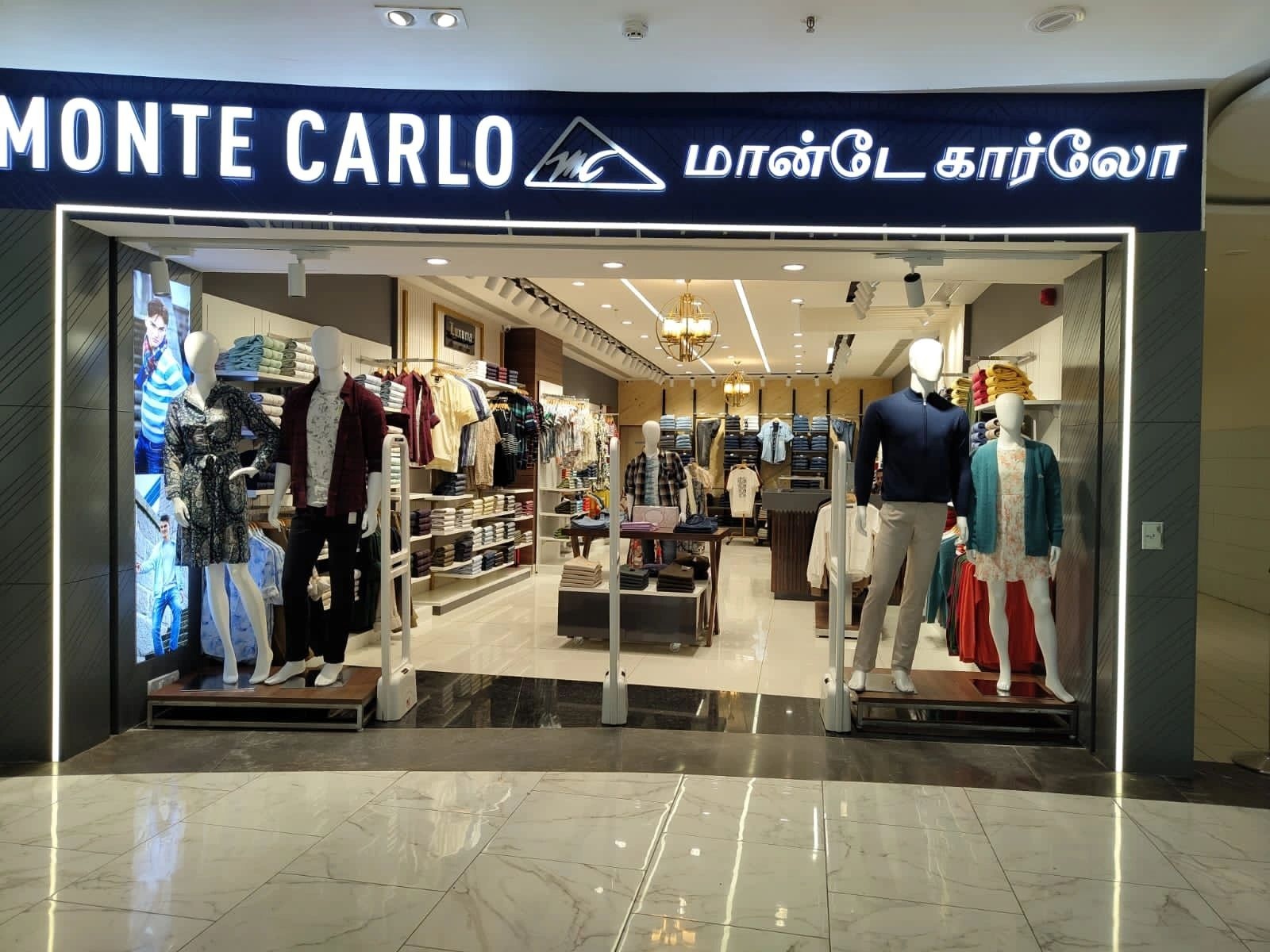
1. At a Glance – Winter Wear, Dividends & a Sudden Solar Plot Twist
Monte Carlo Fashions Ltd is that rare Indian apparel company which behaves like a seasonal business with a permanent dividend habit. As of today, the company sits at a market cap of ~₹1,178 crore, trading around ₹568, down ~20% over the last 3 months while the broader market pretends nothing is wrong.
Latest quarter (Q3 FY26, December 2025) numbers? Fireworks. Revenue clocked ₹608 crore, PAT jumped to ₹107 crore, and EPS came in at a chunky ₹51.61. This is not a typo. This is winter seasonality doing its annual bhangra.
Valuation-wise, the stock trades at ~13.6× P/E, versus an industry average of ~24×. Dividend yield? A generous 3.5%, with a payout ratio north of 50%. Balance sheet? Slightly bulky after debt expansion. Promoters? Sitting tight at 73.17%, zero pledge, zero drama.
But wait — while you were busy buying sweaters, Monte Carlo quietly decided to enter solar EPC via a new subsidiary with 35 MW LOAs worth ₹3,147 crore. Yes, from woollen pullovers to photovoltaic panels.
So is this a boring dividend textile stock… or a confused conglomerate in the making? Let’s dig.
2. Introduction – From Ludhiana Wool to Boardroom Solar Dreams
Monte Carlo Fashions is not some Instagram-first, Gen-Z apparel startup burning VC cash. It is old-school, Ludhiana-bred, Oswal-family-backed, winter-season-dependent, cash-generating Indian textile retail.
Founded in 2008, Monte Carlo quickly carved out a niche as India’s first organised winter wear lifestyle brand. While most apparel companies fight 12 months a year for eyeballs, Monte Carlo basically says: “Relax bro, December aane do.”
And every winter, like clockwork, the numbers explode. Q3 is when Monte Carlo reminds the market that seasonality is not weakness, it’s a feature — if managed properly.
Over the years, the company expanded from pure woollens into cotton wear, denim, kidswear, home textiles, and even sportswear. Distribution ballooned to ~471 EBOs, ~1,949 MBOs, and ~1,468 SIS/NCS points, plus full e-commerce presence.
But this is not a high-growth fashion darling. Sales growth over 3 years sits around 6–7% CAGR, profit growth is