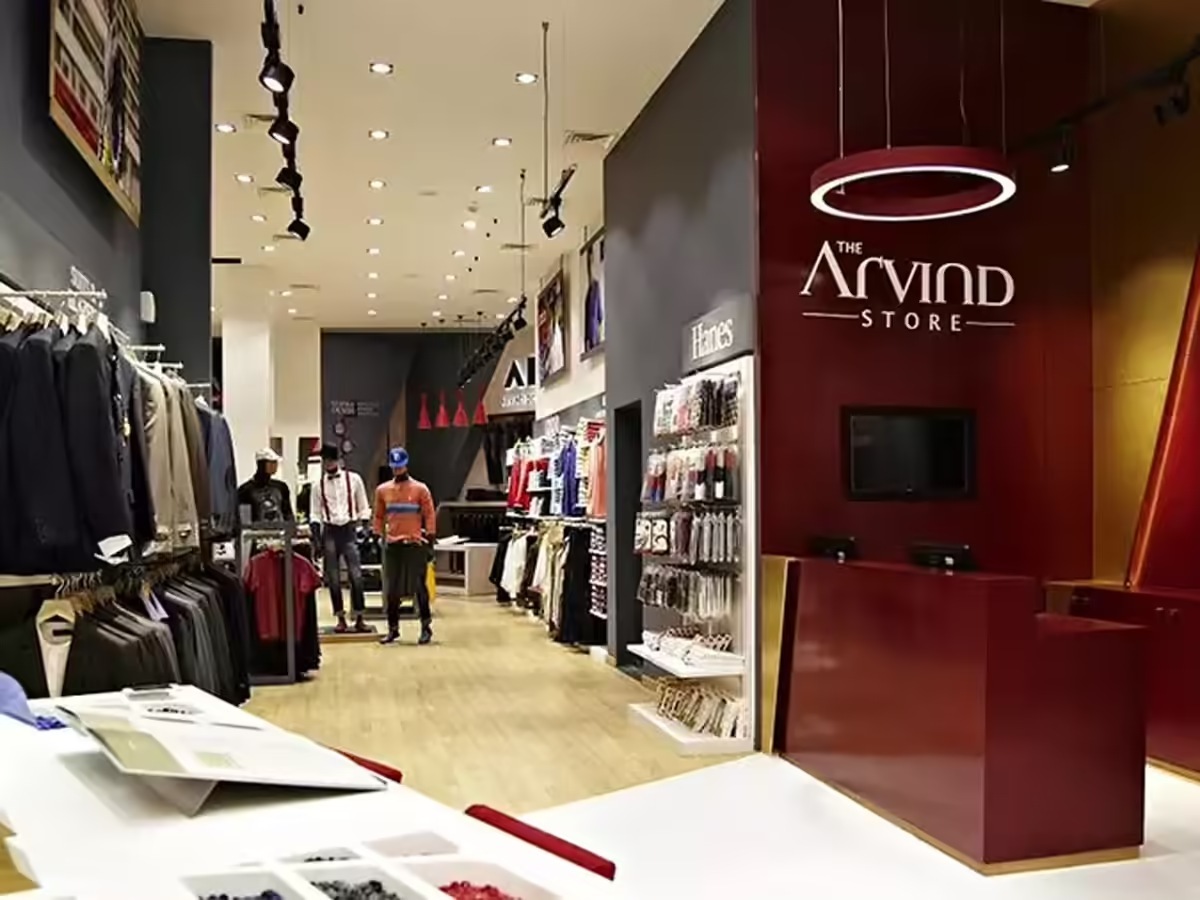
1. At a Glance – Fashion Show with a Balance Sheet Hangover
Arvind Fashions Ltd (AFL) currently struts the market runway with a market cap of ₹5,931 crore and a stock price of ₹444, but don’t confuse the branded gloss for a debt-free catwalk model. In the last 3 months, the stock is down ~13.5%, and over 6 months it’s down ~20.8%, proving that even premium brands can trip on valuation expectations.
Latest Q3 FY26 numbers look sharp on the surface: Revenue ₹1,377 crore (+14.5% YoY), EBITDA ₹195 crore (+17.7% YoY), and PAT ₹36 crore. Margins are expanding, operating leverage is visible, and cash flows are behaving better than they did in earlier fashion disasters.
But then you peek at the wardrobe backstage: Debt ₹1,211 crore, ROE still negative, and Price-to-Book at ~6x. This isn’t a clean luxury play—it’s a stitched-together turnaround trying to look sexy again. Curious already? Good. Keep reading.
2. Introduction – From Brand Bazaar to Financial Diet
Once upon a time, Arvind Fashions tried to be everything to everyone—premium, mass, kids, beauty, innerwear, international glamour, mall traffic magnet, and occasionally a charity for loss-making brands. The result? Bloated costs, stressed balance sheets, and shareholders asking, “Bhai, paisa kahan gaya?”
Over the last few years, AFL has done what most Indian retailers struggle to do: kill their darlings. GAP? Gone. Sephora? Sold. Kids, Hanes, random private labels? Sent to fashion heaven. What remains is a tighter brand portfolio, better working capital discipline, and management finally speaking the language of ROCE instead of runway shows.
Q3 FY26 tells us one thing clearly: the business model is no