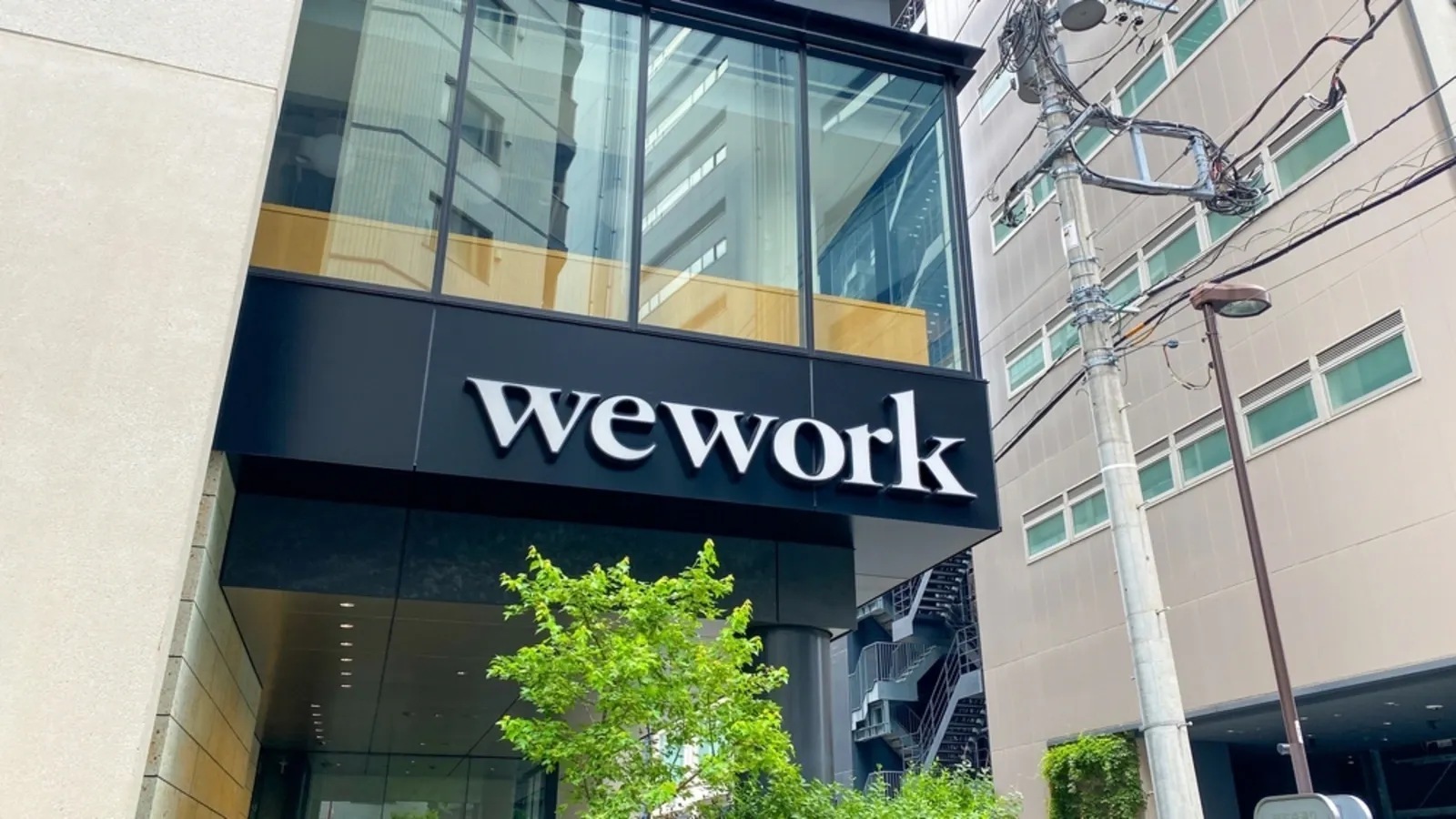
1. At a Glance – “Corporate Offices, But Make It Netflix”
WeWork India Management Ltd is that friend who throws the best house parties but lives on EMIs. Market cap sitting at ₹7,835 Cr, stock chilling around ₹585, down 11.5% in 3 months, while the company just dropped a Q3 FY26 PAT of ₹52 Cr and revenue of ₹6,403 Mn (₹640 Cr). Sounds sexy? Wait till you meet the ₹4,794 Cr debt staring back at you like a credit card bill after Big Billion Days.
The business is throwing 63–66% operating margins, ROCE of 137%, occupancy crossing 83.9%, and still managing to keep interest coverage below 1 like it’s a lifestyle choice. Listed in Oct 2025 via a ₹3,000 Cr OFS, zero money came to the company, but plenty of expectations came to investors.
Is this India’s most profitable coworking story or a glorified real-estate arbitrage with premium coffee? Let’s peel this glass cabin layer by layer.
2. Introduction – From “Free Beer Fridays” to Free Cash Flow
WeWork globally has trauma. WeWork India? Surprisingly… discipline.
Promoted by Embassy Group, WeWork India didn’t chase vanity expansion like its US cousin. It quietly built 68 centres, 7.67 million sq. ft., and 1,14,077 desks across Tier-1 cities. No Tier-2 romance. Only Grade-A glass boxes.
The timing helped. Hybrid work didn’t kill offices — it murdered long leases. Enterprises now want flexibility without commitment, and WeWork India is basically selling “office Tinder”.
But remember — this isn’t asset-light SaaS. This is long-term lease liabilities dressed as startup vibes. The company lives between landlords and enterprises, praying occupancy stays high while interest costs don’t eat EBITDA for breakfast.
Question: Can premium coworking stay premium when everyone and their chacha is launching managed offices?
3. Business