1. At a Glance – Blink and You’ll Miss the Turnaround
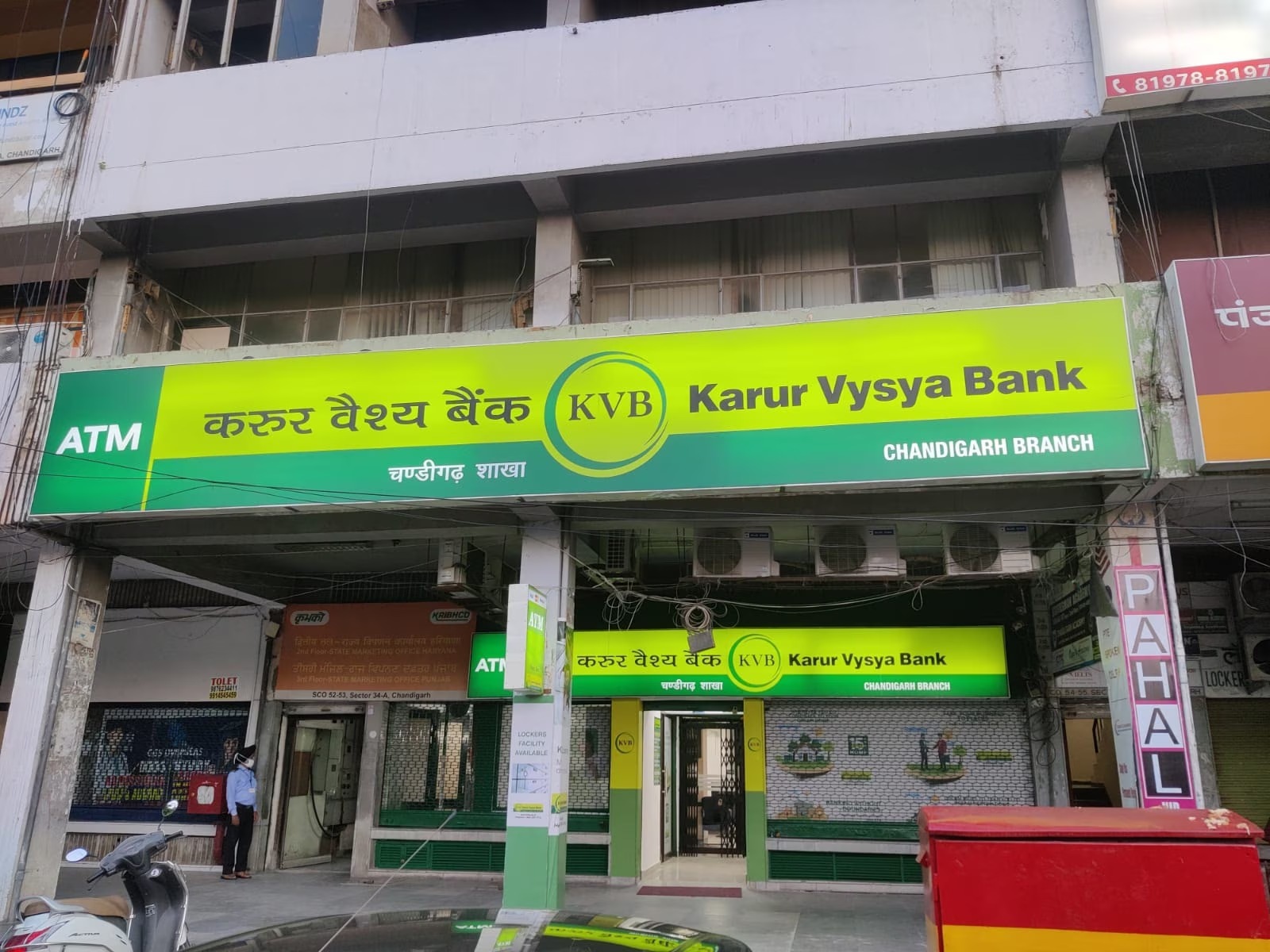
Karur Vysya Bank (KVB), the polite old private bank from Tamil Nadu that investors ignored for years like yesterday’s filter coffee, is suddenly dropping ₹574 Cr quarterly profit, clocking 39% YoY PAT growth, and quietly flexing GNPA below 1%. Current market cap sits at ₹25,651 Cr, stock price around ₹265, with a P/E of ~11x and P/B of ~2x. ROE is flirting with 18%, ROA at 1.73%, and NIM is holding strong at ~4.2%.
Three-month return? ~9%. One-year return? ~36%. Five-year stock CAGR? ~48%.
This is no longer a “recovery story.” This is a post-recovery execution story pretending to be boring.
Deposits crossed ₹1.02 lakh Cr, advances at ₹74,400 Cr, CASA slipped to 30% (yes, that stings), but asset quality looks cleaner than most bank balance sheets after RBI inspection.
Question for you already: Is the market still pricing KVB as a regional relic, while numbers scream mid-tier private bank?
2. Introduction – From Value Trap to Value… Actually Delivering?
For a decade, Karur Vysya Bank lived in the penalty box. High NPAs, mediocre growth, management questions, and zero investor excitement. It was that bank analysts mentioned only when talking about “what went wrong in PSU-lite private banks.”
Fast-forward to FY24–FY26, and the script has flipped.
GNPA dropped from 6.03% (FY22) to ~0.76%, NNPA collapsed to ~0.19%, recoveries are flowing in, and profitability metrics are behaving like a disciplined private lender.
But here’s the fun part: the stock is still valued like it hasn’t earned redemption.
At ~11x earnings and ~2x book, KVB is cheaper than most peers with inferior asset quality.
Yet, it’s not without flaws. CASA has slipped, promoter holding is a microscopic ~2%, and contingent liabilities of ₹16,366 Cr loom like a footnote investors hate reading.
So the big question:
Is KVB a boring compounder hiding behind a dull brand, or a value mirage riding a good cycle?
Let’s tear it apart, EduInvesting-style.
3. Business Model – WTF Do They Even Do?
Karur Vysya Bank does banking. No unicorn jargon. No fancy fintech cosplay. Just deposits, loans, treasury, and some fee income on the side.
Segment