1. At a Glance – The 48-Hour Loan, 48-Month Valuation Debate
₹10,917 crore market cap. ₹1,049 stock price. Down ~14% in the last 3 months, down ~29% in 6 months. Meanwhile, profits are growing at a pace that would make most NBFCs spill their chai. Q3 FY26 delivered PAT of ₹140 crore, up 44% YoY, with quarterly revenues at ₹482 crore (+18.8% YoY).
Return ratios? ROE ~16.5%, ROA ~3.5%, and a spread of 5.2%. Asset quality remains stubbornly clean with GNPA 1.7% and NNPA 1.3%. Capital adequacy is a monster at 33.1% CRAR.
But here’s the twist: the stock trades at ~22× earnings, 2.7× book, while promoter holding has slid to 12.4%, with 16.2% of promoter stake pledged.
So what is this? A high-quality affordable housing compounder… or a well-run lender whose valuation already assumes everything goes right? Before you scroll away, ask yourself: how often do you see 40% profit growth with GNPA stuck at 1.7%?
2. Introduction – Meet the NBFC That Loves Small Salaries and Big Apps
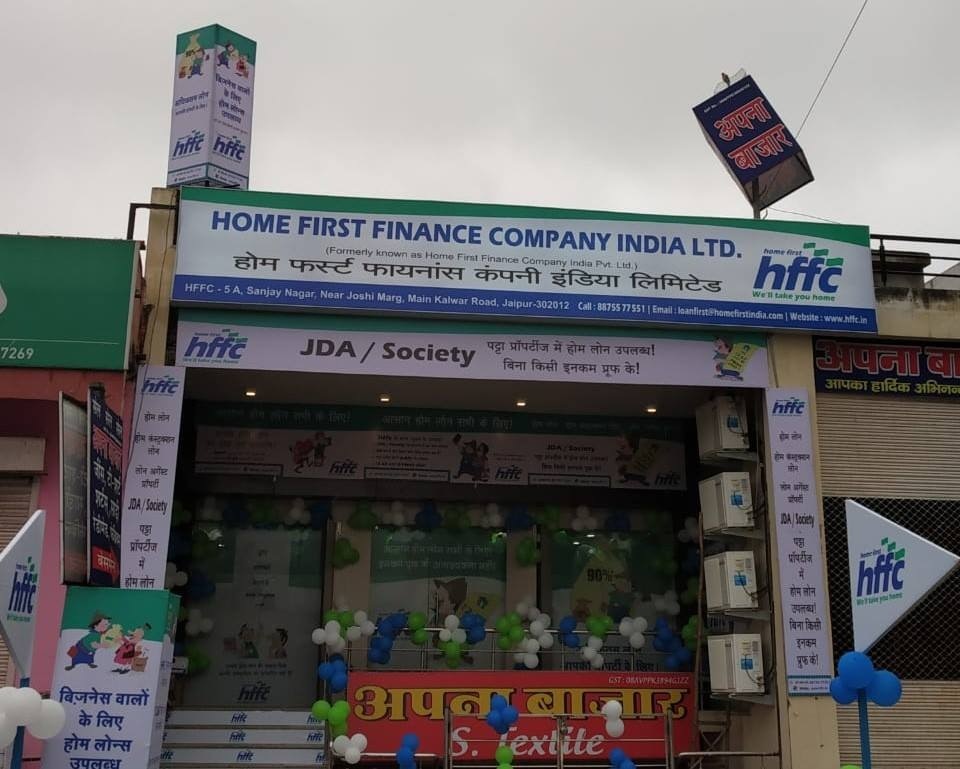
Home First Finance Company India Ltd (HFFC) operates in a space most lenders claim to love but secretly avoid: first-time homebuyers earning less than ₹50,000 per month. Salaried clerks, small shop owners, self-employed professionals, people who don’t show up in glossy credit card ads.
Their pitch is simple and bold: 48-hour loan sanctions, minimal paperwork, and a heavy dose of technology. While other housing finance companies fight over salaried metro borrowers with pristine credit scores, HFFC camps in emerging urban clusters of Gujarat, Maharashtra, Telangana, Andhra Pradesh, Karnataka, Tamil Nadu, and now pushes into UP, MP, and Rajasthan.
Q3 FY26 numbers show the model isn’t just PowerPoint-friendly. AUM jumped to ₹14,925 crore, disbursements hit ₹1,318 crore, and margins expanded despite a rising interest rate environment.
But markets are moody. Despite strong execution, the stock has corrected meaningfully. Is this fear? Is this valuation digestion? Or is the market quietly worried about funding costs, promoter exits, and the sustainability of 30–40% growth?
Let’s tear this apart, auditor-style, but with jokes.
3. Business Model – WTF Do They Even Do?
Think of HFFC as the “UPI of home loans”—fast, digital, and obsessively process-driven.
They primarily offer:
- Housing loans (84% of AUM)
- Loan Against Property (15%)
- Shop loans (1%)
Borrower profile:
- 68% salaried, 32% self-employed
- 15% customers are new-to-credit