1. At a Glance – Blink and You’ll Miss the Turnaround
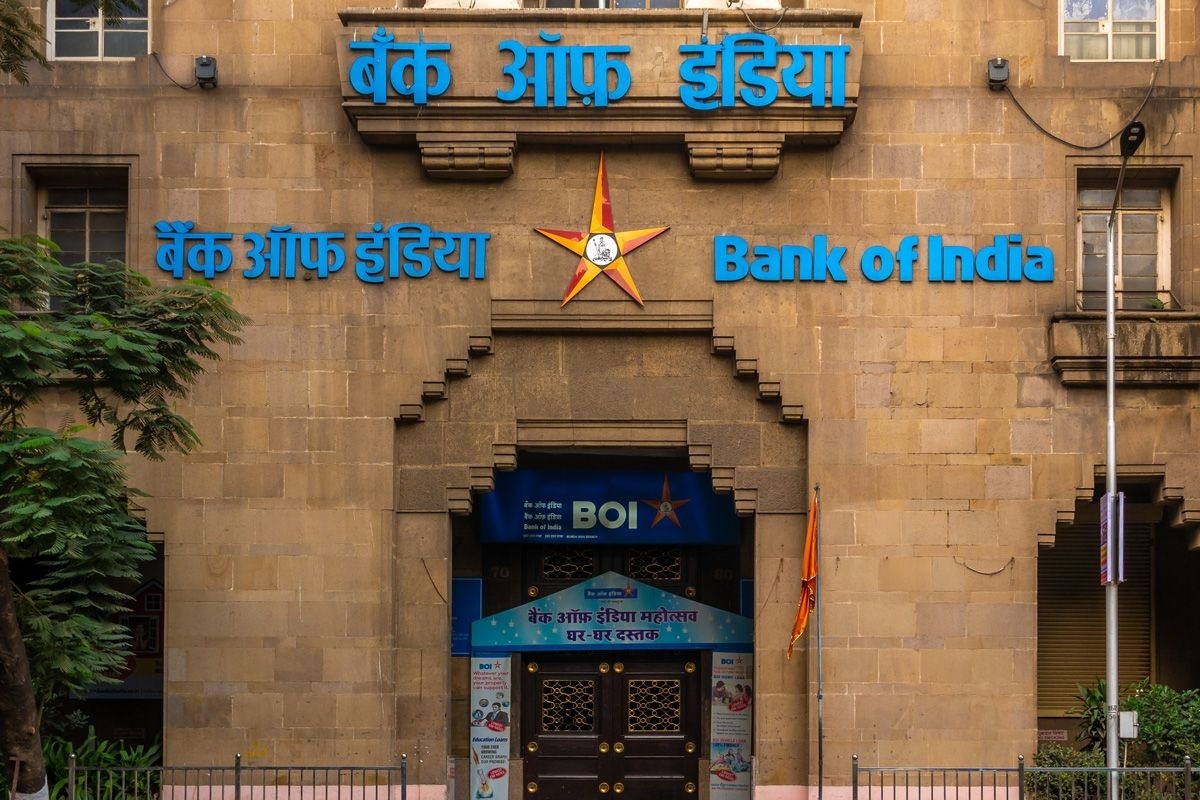
Bank of India (BoI), the once-perennially-stressed PSU bank that retail investors used to scroll past like a Terms & Conditions page, is suddenly demanding attention. Market cap sits around ₹71,740 Cr, the stock is chilling near ₹157, and in the last one year it has sprinted 57%, leaving many “safe FD-only” uncles coughing in the dust.
The headline act? Q3 FY26 PAT of ~₹2,814 Cr, with consistent quarterly profitability, ROA near 0.94%, ROE at ~12.4%, and GNPA down to 4.62% from a horrifying ~10% in FY22. CASA is a respectable 42.7%, NIM is hovering around 3.07%, and provisioning coverage ratio is a smug 92%+.
Valuation-wise, the stock trades at ~0.83x book and ~7x earnings, cheaper than many private banks that still pretend they invented lending. Dividend yield of ~2.6% means the bank is not only earning, but also sharing.
So the obvious question: Is this a genuine PSU bank glow-up or just a cyclical sugar rush thanks to credit growth and treasury gains? Let’s dig before the confetti cannons fire.
2. Introduction – From “Avoid” to “Wait, What?”
For years, Bank of India lived in the shadow of its bigger cousin SBI and the more social-media-friendly PSU peers. It was known for three things:
- Legacy branch network
- Government ownership
- A balance sheet that looked like it survived multiple natural disasters
But FY22 onwards, something changed. Asset quality started healing, slippages slowed, recoveries picked up, and management stopped giving excuses that sounded like a monsoon forecast. By FY24–FY25, BoI had quietly stitched together a multi-quarter profit run, improved capital adequacy, and reduced net NPAs to sub-1% levels.
Meanwhile, retail investors were still busy chasing fintech apps burning VC money, while this old-school PSU bank was minting actual profits. Irony died a little.
The real story is not just profits, but consistency. PSU banks are famous for one-hit wonders followed by “exceptional items.” BoI, however, has shown improving trends across advances, deposits, NIM, and asset quality simultaneously. That combination usually doesn’t happen by accident.
But before we crown it the next PSU darling, let’s