1. At a Glance
Let’s get this straight before the chai gets cold. Gujarat Gas Limited (GGL) is a PSU-backed, pipeline-owning, CNG-selling, PNG-pushing, volume-obsessed city gas giant that has somehow managed to stay boring and relevant at the same time. Market cap sits at ₹27,149 Cr, stock hovering around ₹394, down ~5.5% in 3 months and a painful ~21% over one year — because markets don’t like slow dancers.
Q3 FY26 came in with Revenue of ₹3,658 Cr (YoY -11.9%), but PAT of ₹266 Cr (YoY +19.8%) — yes, sales dipped but profits flexed. Margins quietly improved while volumes sulked. ROCE at ~19.6%, ROE ~14.3%, Debt-to-equity a microscopic ~0.02, and dividend yield at ~1.5% — not bad for a PSU that actually sends cash back home.
Volumes are still heavily industrial (60.5%), CNG clocks 30%, and the rest is household masala. The stock trades at ~23.4x P/E, slightly richer than industry median, but you’re paying for monopoly-ish pipes and predictable cash flows. Question is — are predictability and boredom still sexy in FY26?
2. Introduction
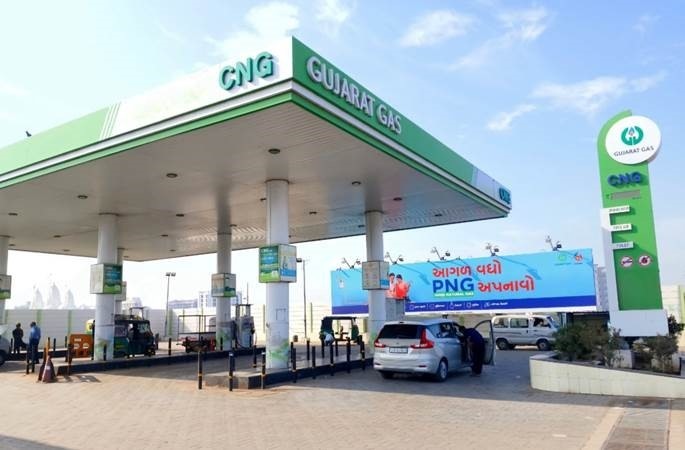
Gujarat Gas is that one uncle at every family function — doesn’t talk much, pays the bills on time, owns land, and quietly judges your startup dreams. Formerly known as GDNL, now a full-blown City Gas Distribution (CGD) heavyweight, GGL supplies natural gas across South & Central Gujarat and Saurashtra, and has stretched its pipelines into 6 states and 1 UT.
It’s part of the GSPL ecosystem, where upstream, midstream, and downstream all sit at the same dining table. GSPC trades gas, GSPL transmits it, and Gujarat Gas sells it to you for cooking, driving, and running factories. Vertical integration, PSU-style.
But here’s the catch: CGD is not a hyper-growth SaaS business. It’s capital-heavy, regulated, volume-driven, and sensitive to gas prices. When industrial demand sneezes, volumes catch a cold. When gas prices spike,